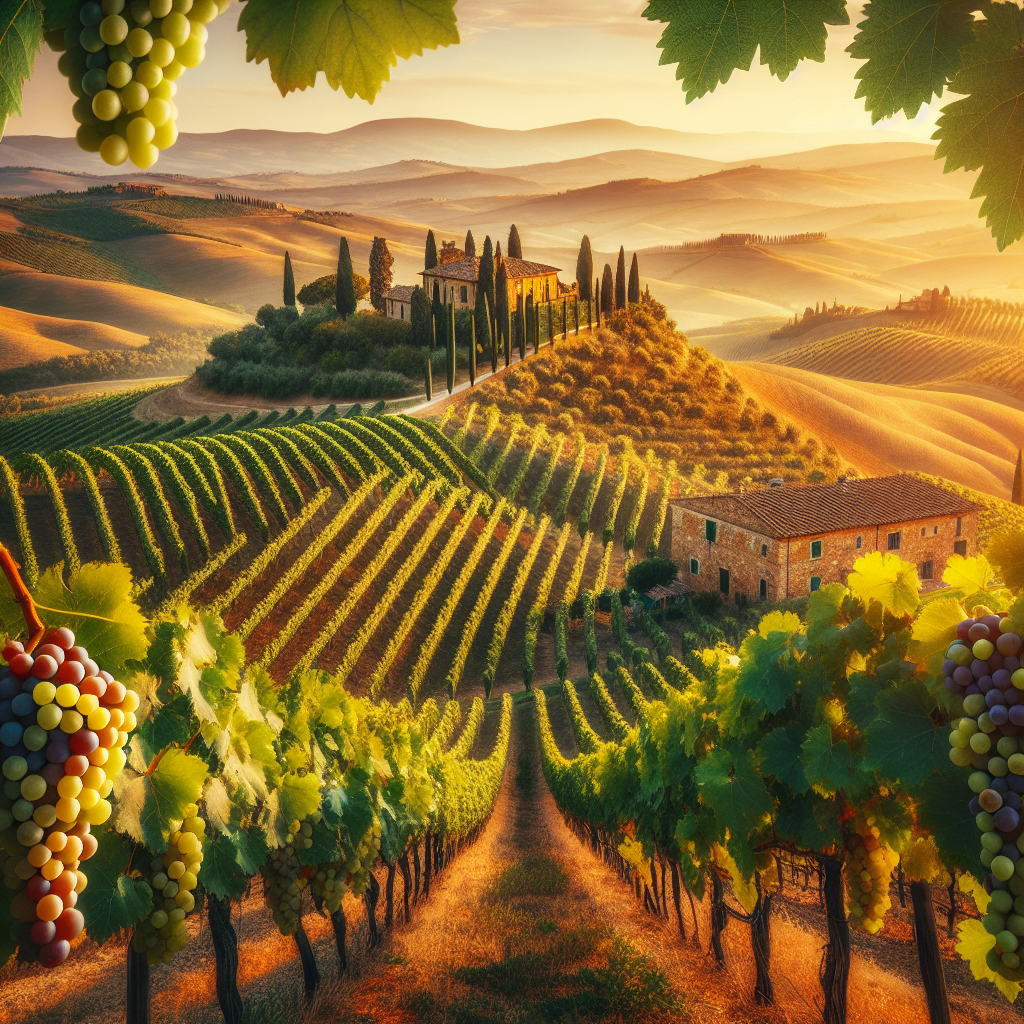
Vineyards stretching across sun-kissed hills, medieval villages nestled between rows of grapevines, and the clink of glasses echoing in charming wine cellars. Italy is a mosaic of wine regions, each telling its own delicious story. Whether you’re sipping a robust red in Tuscany or a sparkling delight in Piedmont, Italian wines are more than beverages, they’re cultural experiences. Exploring them by region not only introduces you to distinct flavors but also deeply connects you to the local landscapes, traditions, and people. Let’s uncork Italy’s wine secrets, region by region.
Go to the section
ToggleWhat to see
Piedmont – The land of Barolo and truffles
Piedmont, in northwestern Italy, is a scenic tapestry of rolling hills, alpine vistas, and elegant towns like Alba and Asti. The Langhe and Monferrato landscapes are UNESCO World Heritage Sites and are home to noble wines like Barolo and Barbaresco.
- Visit the hilltop village of La Morra for panoramic vineyard views.
- Stroll the truffle markets of Alba during autumn months.
- Explore historic wine estates in Barolo with centuries-old cellars.
Tuscany – A renaissance of wine and beauty
Tuscany is synonymous with picturesque countryside and Chianti wines. Villages like Montalcino and Montepulciano are not only wine hubs but also cultural jewels.
- See the Val d’Orcia, a dreamy landscape backdrop to Brunello wines.
- Tour centuries-old castles-turned-wineries near Greve in Chianti.
- Stop by Siena’s medieval squares after exploring nearby wine trails.
Veneto – Prosecco hills and romantic canals
Veneto offers a blend of romantic cities and lush vineyards. The region is home to Prosecco and Amarone, giving wine lovers both effervescent and intense wine options.
- Visit the Prosecco Road between Conegliano and Valdobbiadene.
- Admire the Palladian villas scattered across the countryside.
- Pop into wineries in the Valpolicella zone near Verona.
Sicily – Island terroirs and ancient vines
Sicily is a wine discovery of its own with indigenous grapes like Nero d’Avola and Grillo. Mount Etna’s volcanic soils add unique complexity to the wines.
- Explore the wine terraces on the slopes of Mount Etna.
- Walk the ancient streets of Taormina and taste local vintages in enotecas.
- Visit Marsala’s historic wine cellars and salt flats nearby.
What to do
Take immersive winery tours
Many regions offer intimate winery visits where you can greet the winemakers personally. These tours often include guided tastings, cellar visits, and walks through the vineyards.
- Drive the Brunello di Montalcino Wine Road for guided tastings.
- In Piedmont, participate in sensory wine workshops around Alba.
- Enjoy Prosecco masterclasses in family-run estates near Treviso.
Join local harvest festivals
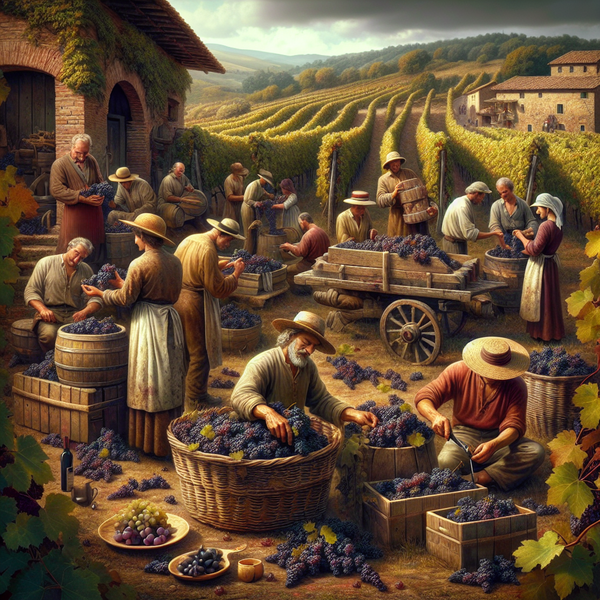
Wine harvest, or vendemmia, is a spectacular time to engage with the local traditions. It usually happens from late summer to early autumn depending on the region.
- Join the Grape Festival (Festa dell’Uva) in Impruneta, Tuscany.
- Participate in the Alba White Truffle and Wine Festival in Piedmont.
- Attend the Vino al Vino wine event in Panzano in Chianti.
Discover wine museums and cultural routes
Broaden your knowledge by visiting wine museums or following structured wine trails.
- Explore the Wine Museum in Torgiano, Umbria, for ancient tools and techniques.
- Follow the Strade del Vino (wine roads) in regions like Trentino or Liguria.
- In Sicily, visit the Wine & Dine interpretation centers near Ragusa.
Itineraries
7-day northern wine trail: Piedmont to Veneto
- Day 1-2: Arrive in Turin and drive to Barolo. Visit wineries and enjoy dinner in La Morra.
- Day 3: Explore Asti’s sparkling wines and local cuisine.
- Day 4: Head to Verona with a stop in Valpolicella for an Amarone tasting.
- Day 5-6: Drive along the Prosecco Road, staying in Conegliano.
- Day 7: End your trip with a relaxed afternoon in Venice, sipping Prosecco with cicchetti by the canal.
5-day Tuscan wine getaway
- Day 1: Begin in Florence and drive to Chianti. Enjoy a vineyard lunch and sunset tasting.
- Day 2: Visit Radda and Castellina for bold Sangiovese wines.
- Day 3: Head to Montalcino and explore Brunello-producing estates.
- Day 4: Explore Montepulciano’s Vino Nobile cellars and romantic streets.
- Day 5: Stop by San Gimignano for Vernaccia white wine before heading back to Florence.
4-day Sicilian wine escape
- Day 1: Start in Catania and drive to Mount Etna’s vineyards for a tasting with volcanic views.
- Day 2: Visit Taormina and sample organic wines near Castiglione di Sicilia.
- Day 3: Head west to Marsala and tour historic wine cellars.
- Day 4: Enjoy the coastal charm and food pairings in Palermo before departure.
Local cuisine
Piedmont flavors
Piedmont’s rich gastronomy pairs perfectly with its structured red wines.
- Tajarin: Egg pasta often served with truffle shavings.
- Vitello tonnato: Chilled veal with creamy tuna sauce.
- Brasato al Barolo: Beef slow-cooked in Barolo wine.
Tuscan delights
Tuscany emphasizes simplicity and quality, making it an excellent match for its wines.
- Bistecca alla Fiorentina: Grilled T-bone steak perfect with a glass of Chianti Classico.
- Crostini neri: Chicken liver pâté on toasted bread—ideal with Sangiovese.
- Panzanella: A refreshing bread and tomato salad perfect for white or rosé wines.
Sicilian pairings
The cuisine here is exotic and intensely flavorful, reflecting Arab and Mediterranean influences.
- Caponata: Sweet and sour eggplant medley—great with Nero d’Avola.
- Arancini: Fried rice balls filled with ragù or cheese, enjoyable with Frappato.
- Cassata: A traditional Sicilian dessert best paired with sweet Marsala wines.
Budget tips
Plan your route around lesser-known wine areas
While Chianti and Barolo are famous, exploring emerging or lesser-known wine regions offers both authenticity and value.
- Try the wines of Abruzzo or Molise for excellent reds at a lower cost.
- Visit Umbria for Sagrantino wines without the Tuscan price tag.
- In Calabria and Basilicata, reds like Aglianico provide bold flavors for budget-friendly experiences.
Book tastings directly with local producers
Avoid costly third-party wine tours by booking directly through winery websites or tourism offices.
- Look for consortiums like “Strada del Vino” which offer transparent pricing.
- Many family-owned wineries offer free or low-cost tastings in exchange for purchases.
Travel off-season
Visiting wine regions outside of peak months brings lower accommodation prices and a more relaxed atmosphere.
- Plan your trip in May or October for great weather and fewer tourists.
- Shoulder seasons may offer special events like new wine unveilings or local feasts.
Use wine passes and local cards
Some regions offer special wine-tasting passes or combo cards.
- The Langhe Wine Pass gives you access to select tastings and discounts in Piedmont.
- In Tuscany, check for regional wine festivals that grant multiple tastings for a single fee.
As you journey through Italy’s wine regions, you’ll find that each glass reveals more than flavor—it opens a door to history, tradition, and deeply rooted hospitality. Pair your sips with beautiful views, hom