Nestled among rolling hills, sun-drenched vineyards, and olive groves, the Italian countryside offers more than postcard-perfect landscapes — it offers something much more immersive: the authentic agriturismo experience. Unlike commercial resorts or city breaks, an agriturismo stay allows you to engage with Italy’s rural charm, live alongside farming families, and savor regional traditions at their source. Whether you’re picking olives in Tuscany, milking sheep in Sicily, or stirring polenta beside a Lombardy fireplace, every day is both a discovery and a delight.
Go to the section
ToggleWhat to see
Quaint villages and rustic landscapes
Italy’s countryside is dotted with medieval hamlets, old stone farms, and historic churches, each telling its own story. While many travelers focus solely on famous cities, the true heartbeat of Italian life often pulses in these quieter corners.
- Val d’Orcia, Tuscany: A UNESCO-listed landscape with cypress-lined roads, golden fields, and Renaissance hill towns like Pienza and Montalcino.
- Langhe, Piedmont: Known for vineyards and abbeys nestled between hazelnut groves and forested hills.
- Gargano, Puglia: Olive-clad terraces and whitewashed farmhouses along the Adriatic coast.
- Madonie Mountains, Sicily: A highland escape with panoramic trails and stone villages like Petralia Soprana.
Wandering these areas, you’ll see time-honored agricultural methods still in use — think hand-harvested grapes, terracotta storage jars, and ancient olive presses.
Historical farmhouses and estate architecture
Agriturismi are often set in beautifully restored farmsteads that are centuries old. Pay attention to the architectural details:
- Tuscan casali: Stone buildings with terracotta tiles, wood-beamed ceilings, and vine-covered patios.
- Pugliese masserie: Fortified farmhouses with whitewashed walls, internal courtyards, and citrus gardens.
- Trulli in Alberobello: Cone-shaped limestone homes that form part of the local agriturismo offerings.
Many hosts are happy to share the history of their buildings and show you the converted stables or original bread ovens, adding a layer of story to your surroundings.
What to do
Participate in farming activities
The agriturismo experience isn’t passive. You’re invited — and often encouraged — to roll up your sleeves and join daily farm activities. Depending on the season and region, you might:
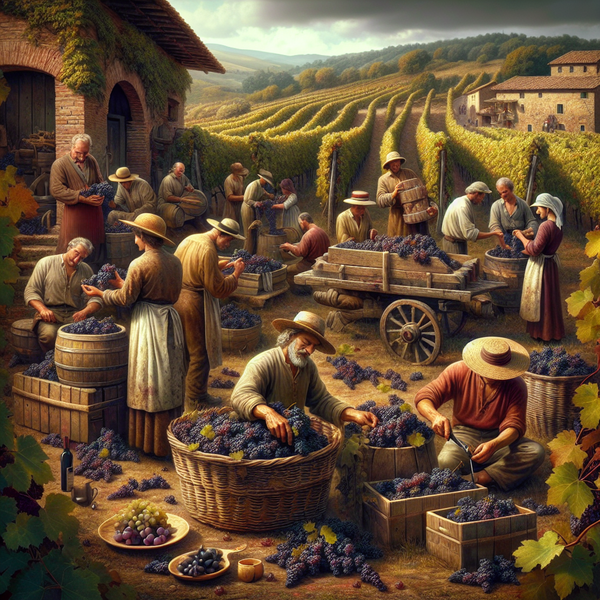
- Harvest grapes for wine production
- Press olives to produce extra virgin olive oil
- Make cheese like pecorino or ricotta by hand
- Milk cows or sheep at dawn
- Help plant or pick seasonal vegetables
These activities are not only educational but deeply connecting. You’ll appreciate every bite of food and every sip of wine so much more when you’ve helped create it.
Join cooking classes and tastings
Many agriturismi offer hands-on cooking lessons where you’ll use garden-fresh ingredients to prepare traditional dishes. Imagine kneading tagliatelle dough in Emilia-Romagna or baking a rustic crostata in a Tuscan farmhouse kitchen. Wine and oil tastings often follow, paired with cured meats, cheeses, and homemade breads.
Explore nearby nature
Most countryside agriturismi are nestled within walking or biking distance from natural parks, forests, and rivers. You can go:
- Hiking in the Apennines or Dolomites
- Horseback riding through vineyards and orchards
- Birdwatching along wetlands in regions like Umbria or Veneto
- Foraging for truffles, chestnuts, or wild herbs with your host
These outdoor adventures pair perfectly with the rhythms of rural life and make each day a fresh opportunity to explore.
Itineraries
3-day Tuscan countryside getaway
- Day 1: Arrive at an agriturismo near Montepulciano. Settle in with a sunset wine tasting and dinner made from local produce.
- Day 2: Participate in an olive oil pressing demonstration. Visit the nearby town of Pienza for cheese tastings and scenic strolls.
- Day 3: Take a morning cooking class and enjoy a traditional Tuscan lunch before visiting a local vineyard in Montalcino.
One-week immersive experience in Puglia
- Day 1–2: Stay in a masseria near Ostuni. Help harvest vegetables and learn how to make orecchiette pasta.
- Day 3: Take a guided bike excursion through the Itria Valley, visiting Alberobello and Locorotondo.
- Day 4: Explore the coast on foot or by boat. Enjoy a seafood barbecue hosted at the agriturismo.
- Day 5–6: Participate in dairy farming activities and learn to make ricotta and mozzarella. Join an evening dance with pizzica music.
- Day 7: Relax under centuries-old olive trees before heading to your next destination.
Romantic weekend in the Italian Alps
- Day 1: Arrive at a mountain agriturismo in South Tyrol. Sample local speck and apple strudel.
- Day 2: Go for a scenic hike or horseback ride through alpine meadows. Join a wood-fired polenta dinner at your lodging.
- Day 3: Visit a local dairy for a cheese-making demonstration before enjoying a picnic with panoramic views.
Local cuisine
From farm to fork
One of the greatest pleasures of agriturismo travel is eating meals that come straight from the land. Breakfasts include fresh eggs, homemade jam, and warm bread. Lunch and dinner are homemade affairs often created from family recipes and featuring seasonal ingredients.
Regional specialties to try
- Tuscany: Ribollita (bean and bread soup), wild boar ragu, cantucci with vin santo.
- Emilia-Romagna: Tagliatelle al ragù, Parmigiano-Reggiano, balsamic vinegar direct from the barrel.
- Puglia: Fava bean purée with chicory, sun-dried tomatoes, and local burrata.
- Sardinia: Pane carasau (shepherd’s bread), roasted suckling pig, pecorino sardo.
Meals are usually served family-style, encouraging you to mingle with your hosts and other guests. Don’t be surprised if a meal becomes a multi-hour event with multiple courses, wine refills, and coffee under the stars.
Homemade beverages
Many agriturismi produce their own wines, liqueurs, and juices. Try regional vinification, from Chianti in Tuscany to Montepulciano in Abruzzo. You might also enjoy homemade limoncello, grappa, or even herbal digestifs made on the premises.
Budget tips
Choose lesser-known regions
While Tuscany and Umbria are popular, you can stretch your budget further by choosing areas like:
- Le Marche: Offers similar landscapes to Tuscany but at considerably lower prices.
- Abruzzo: Known for its mountains and hearty cuisine, it provides excellent value and fewer tourists.
- Molise: Often overlooked, but full of pastoral charm and affordable accommodations.
Book directly
Skip third-party websites and book directly through the agriturismo’s own site or by phone. You’ll often get better rates and more personalized packages. Some farms offer discounts for longer stays or cash payments.
Look for half-board options
Many agriturismi offer packages that include breakfast and dinner. This not only saves you money but also guarantees hearty, authentic meals that you won’t likely find in tourist restaurants.
Travel off-season
Try visiting in spring or fall, when the countryside is just as beautiful and rates significantly drop. You’ll have a more intimate experience and access to unique seasonal activities like truffle hunting or grape harvesting.
Use public transportation strategically
While many agriturismi require a car, some are accessible via train plus a short taxi ride. Others offer shuttle services from nearby stations — inquire in advance. Traveling light and planning your transportation ahead can reduce costs significantly.
Conclusion
An authentic agriturismo experience in the Italian countryside offers more than just a place to sleep — it’s a way to live, learn, and connect. You’ll walk through olive groves at sunrise, sip house-made wine at sunset, and fill your days with meaningful interactions and hands-on adventure. Ideal for couples, families, or solo travelers looking to immerse themselves in Italian life beyond the big cities, it’s a journey of senses and spirit that stays with you long after your return home. Whether you’re making pasta with nonna or harvesting grapes with calloused hands, every memory feels closer to the heart.