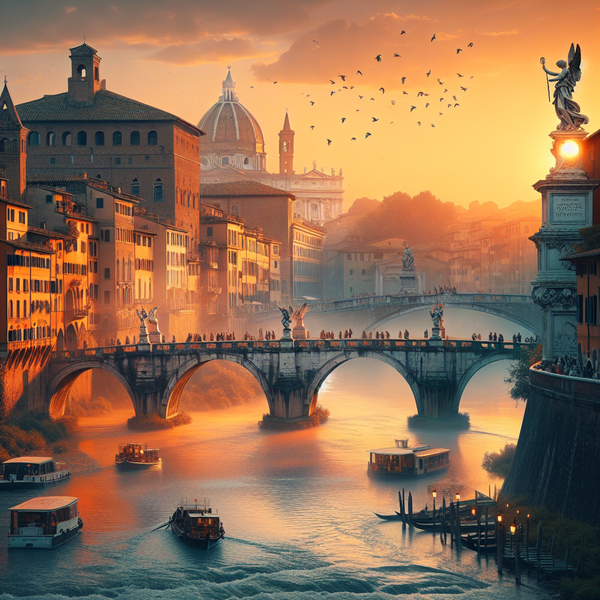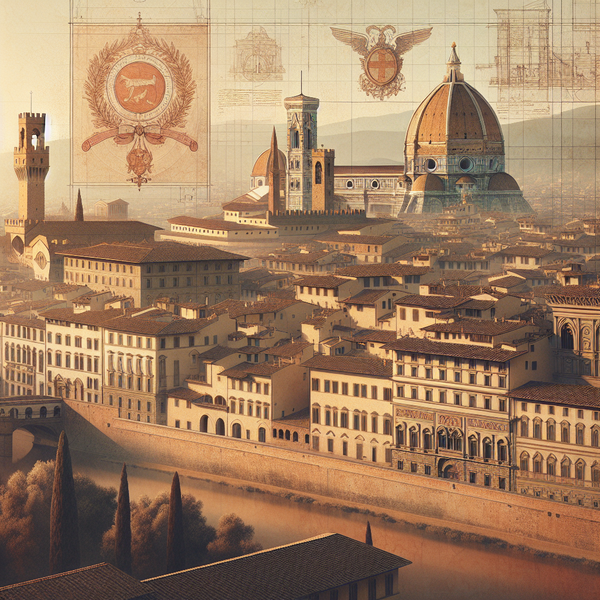
Few families in world history have left such a visible and powerful mark as the Medici of Florence. Walking through the city today, you can still trace their influence stone by stone, palace by palace. The Medici palaces not only symbolize Florence’s golden age but also tell the story of ambition, artistry, and the enduring power of architecture as a family’s lasting emblem.
Go to the section
ToggleThe Medici Palaces and Florence’s Power
The story of the Medici palaces is inseparable from Florence itself. Rising from modest origins, the family became wealthy bankers and patrons who understood the value of brick and marble perhaps as much as gold. Their residences were more than private homes; they were symbols of political aspiration, diplomatic power, and cultural prestige. Each palace was carefully designed to project authority while showcasing the family’s sophistication and commitment to the arts.
Palazzo Medici Riccardi: The First Medici Palace
The earliest and perhaps most symbolic of the Medici palaces is the Palazzo Medici Riccardi. Commissioned when the family was still consolidating its political standing, it became the model for Renaissance palaces in Europe. Its stone façade is harmonious, balanced, and immensely dignified, demonstrating the family’s desire to blend restraint with grandeur. The courtyard and chapel within are adorned with frescoes that celebrate not only biblical scenes but also the Medici themselves.
The palace became a blueprint in showcasing how Florentine nobility presented power through architecture. Its design set the pace for civic identity and Renaissance style, influencing countless residences across the city.
Palazzo Pitti: A Medici Symbol of Expansion
Unlike the more compact Palazzo Medici Riccardi, the Palazzo Pitti reflects ambition on a monumental scale. Originally built by a rival family, it was acquired by the Medici and transformed into the grandest residence in Florence. The vast stone façade, the sweeping courtyards, and the proximity to the magnificent Boboli Gardens helped cement it as the ultimate statement of Medici power.
This palace embodies the era when the Medici were not just city rulers but also key European players. With its art collections, lavish halls, and political receptions, the Palazzo Pitti was both home and stage for the family’s role in European history.
Palazzo Vecchio and Medici Authority
The Medici did not originally build the Palazzo Vecchio, but at one point it became their central seat of government. By taking over this fortress-like building, the family secured not only a residence but also political legitimacy. Its looming tower defined Florence’s skyline, while the chambers inside became theaters of power where decisions shaping Europe were made.
Decoration within the palace was a constant reminder that the Medici were guardians of Florentine tradition, while simultaneously expanding their influence outward. Its connection to the Uffizi through the Vasari Corridor further underlines the family’s need for both security and spectacle.
Medici Villas Beyond the City
In addition to urban palaces, the Medici built and embellished numerous villas across Tuscany. Unlike the stern palaces of Florence, these residences displayed a different side of the family: patrons of leisure, agriculture, and intellectual exchange. Surrounded by gardens and rolling countryside, the villas became laboratories of Renaissance architecture, as well as retreats where art and science flourished.
Some villas emphasized agricultural innovation, while others became gathering places for philosophers, astronomers, and writers. Collectively, they extended the Medici presence far beyond the city and demonstrated how deeply their influence permeated both urban and rural Tuscany.
Art and Innovation Inside the Medici Palaces
The interiors of the Medici palaces are as significant as their façades. Within these walls, masterpieces adorned halls, private chapels, and libraries. The Medici invested heavily in art, commissioning frescoes, sculptures, and architecture that remain landmarks of Renaissance culture. Chandeliers, elaborate ceilings, and vast collections of paintings created environments that impressed visitors from every corner of Europe.
Beyond aesthetics, these palaces also hosted thinkers, architects, and scientists. They were not only comfortable residences but also vibrant centers of intellectual exchange. By concentrating talent and beauty within their walls, the Medici palaces played a crucial role in shaping the Renaissance itself.
Walking the Medici Trail in Florence Today
Visiting Florence today offers the opportunity to walk in the footsteps of the Medici family. Each palace can still be admired, many open as museums that tell visitors about the family’s rise, influence, and artistic legacy. Travelers can begin with Palazzo Medici Riccardi, continue to Palazzo Vecchio, and culminate at the vast Palazzo Pitti before strolling through the Boboli Gardens.
This trail is not just sightseeing; it is a journey into history, architecture, and art. The Medici palaces reveal how one family’s ambitions transformed Florence into the heartbeat of the Renaissance and left a heritage the world still treasures.
The Timeless Legacy of the Medici Palaces
The Medici palaces continue to be central to Florence’s identity. Their stones witnessed the birth of Renaissance art, the intrigue of political dramas, and the evolution of European culture. Today, they are not just monuments to a past dynasty but living reminders of how power, vision, and patronage can reshape a city forever.
To explore the Medici palaces is to experience Florence with new eyes: understanding architecture not only as structure but as power, not only as residence but as symbol. Their legacy endures in every courtyard, gallery, and garden, proving once more why Florence remains one of the world’s greatest cultural treasures.