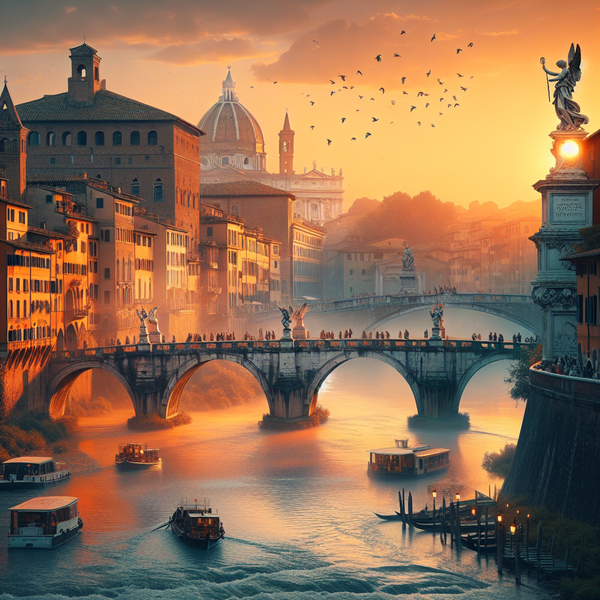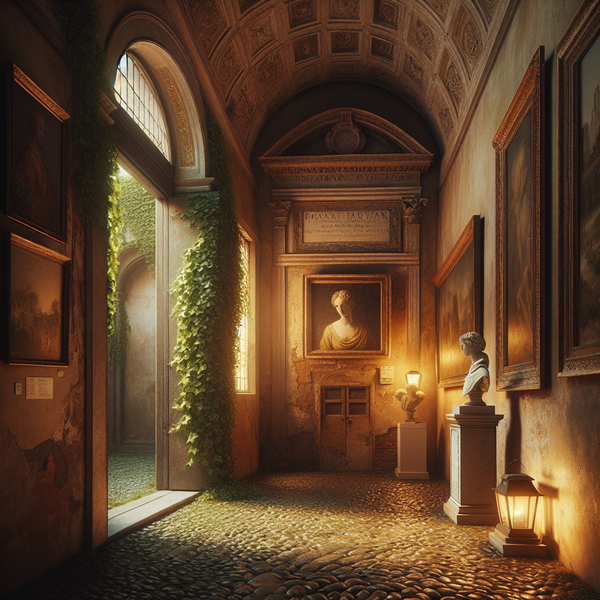
Italy isn’t just about the Uffizi, the Vatican Museums, or the Accademia. Beneath the grandeur of its headline institutions lies a treasure trove of lesser-known galleries and hidden collections that tell the country’s story from a more intimate angle. For art lovers, these museums offer not just beauty, but authenticity—a journey through creativity away from the crowds.
Go to the section
ToggleMuseo di Palazzo Doria Pamphilj, Rome: Private Art in a Noble Setting
In the heart of Rome, the Museo di Palazzo Doria Pamphilj remains one of the city’s most enchanting secrets. This privately owned palace houses an extraordinary collection of paintings and sculptures curated by one of Italy’s oldest noble families. The rooms are still decorated as they were centuries ago, offering an intimate dialogue between art and history.
Among its highlights are masterpieces by Titian, Caravaggio, and Velázquez, all presented in candlelit elegance that evokes another era. The experience feels less like a museum visit and more like stepping into an aristocrat’s living room filled with artistic marvels.
Ca’ Rezzonico, Venice: The Grandeur of the 18th Century
Ca’ Rezzonico sits gracefully on the Grand Canal, yet many visitors overlook its importance. This museum celebrates Venetian life and art of the 18th century through frescoed ceilings, grand salons, and spellbinding portraits. Walk through its halls, and you’ll feel the charm of Venice’s golden age come alive.
Beyond paintings by Tiepolo and Guardi, the museum also displays ornate furniture, costumes, and chandeliers—all symbols of a sophisticated city that once set Europe’s cultural tone.
Museo di Capodimonte, Naples: A Royal Collection Above the Bay
Perched high above Naples, the Museo di Capodimonte houses one of Italy’s most comprehensive art collections. Originally a royal residence, this museum offers vast galleries adorned with works by Botticelli, Masaccio, and Artemisia Gentileschi. What makes it exceptional is the combination of art, nature, and a panoramic view of the city below.
Its blend of Renaissance and Baroque masterpieces reflects the artistic evolution of southern Italy, all while surrounded by lush parkland perfect for a post-gallery stroll.
Museo Morandi, Bologna: Minimalism in the City of Towers
Dedicated entirely to Giorgio Morandi, one of Italy’s most beloved modern painters, this Bologna museum is a meditation on stillness. Museo Morandi showcases hundreds of his works—from intimate etchings to serene still lifes that demonstrate the artist’s quiet genius.
Visiting this museum feels like entering the inner world of the artist himself. Each composition, with its subtle shades and arranged bottles, reveals how ordinary forms can convey profound emotion.
Galleria Nazionale d’Arte Moderna e Contemporanea, Rome: Modern Conversations
While most travelers seek Rome’s ancient ruins, few explore its Galleria Nazionale d’Arte Moderna e Contemporanea. Here you’ll find Italy’s bold step into modern art, with works spanning from the Impressionist period to contemporary installations. The museum challenges the notion that Italian art is only about the past.
Its clean, luminous architecture sets a contemporary tone, making each piece stand out. This is where modern Italian creativity meets global artistic dialogue.
Museo Civico di Castelvecchio, Verona: Medieval Beauty Restored
Verona, a city famous for romance, also holds one of the most impressive medieval collections in Italy. The Museo Civico di Castelvecchio combines architectural brilliance with unmatched curation. Designed by noted architect Carlo Scarpa, its layout allows ancient sculptures and paintings to breathe within modern lines and lighting.
The museum doesn’t just display art—it interprets it. Gothic and Renaissance masterpieces invite reflection on how Verona’s past still influences Italian aesthetics today.
Museo Bagatti Valsecchi, Milan: The Renaissance Reimagined
Just steps from Milan’s bustling fashion district lies the Museo Bagatti Valsecchi, a time capsule of Renaissance revival. The two brothers who founded it in the 19th century dedicated their lives to collecting furniture, paintings, and décor inspired by the Renaissance spirit. The result is a living museum that fuses art, architecture, and personal vision.
Every detail—from gilded frames to hand-carved doors—reflects a passion for craftsmanship that captures Italy’s enduring relationship with beauty.
Pinacoteca Nazionale di Siena: Gothic Grace in Tuscany
The Pinacoteca Nazionale di Siena offers a journey through Italy’s Gothic heart. Inside its softly lit rooms, visitors encounter delicate gold-leafed panels, celestial Madonnas, and narrative altarpieces that tell centuries of devotion. This museum preserves the unique Sienese style, defined by elegance and spiritual lightness.
Visiting here feels like stepping into a chapter of art history unaltered by time, where the faces of saints and angels seem to glow with quiet serenity.
National Archaeological Museum of Taranto: When Art Meets Antiquity
For art lovers intrigued by the roots of beauty, the National Archaeological Museum of Taranto—known as MARTA—reveals the sophistication of Magna Graecia. The collection showcases exquisite jewelry, pottery, and sculpture that merge Greek craftsmanship with Italian sensibility.
Walking through MARTA, one senses that art in Italy didn’t begin with the Renaissance; it was woven into the land long before modern history began recording it.
Peggy Guggenheim Collection, Venice: Avant-Garde on the Grand Canal
Modernism finds its Venetian home in the Peggy Guggenheim Collection. Set within a former palazzo on the Grand Canal, this museum showcases groundbreaking works by Picasso, Pollock, Kandinsky, and Italian Futurists. Each room feels like an intimate gallery where modern art meets the timeless charm of Venice.
The sculpture garden offers peaceful reflections just steps from the water, blending modern aesthetics with Venetian grace.
Palazzo Blu, Pisa: A Contemporary Dialogue
Palazzo Blu injects contemporary energy into Pisa’s historical center. Known for hosting temporary exhibitions ranging from local artistry to international masters, it stands as a cultural bridge uniting past and present. The bright blue façade already hints at its modern character within a medieval city.
Beyond its exhibitions, Palazzo Blu is a symbol of artistic renewal—proof that Pisa’s artistic pulse beats far beyond its Leaning Tower.
Reflecting on Italy’s Hidden Art Museums
Exploring Italy’s hidden museums transforms an art lover’s trip from predictable to personal. Each museum offers a distinctive look at the nation’s layered identity—where art, architecture, and emotion blend seamlessly. These spaces remind visitors that Italian creativity thrives not just in its famous halls, but also in quiet corners filled with stories yet to be discovered.
For travelers who crave inspiration, Italy’s lesser-known art museums offer the most intimate cultural rewards: time, silence, and a personal connection with beauty itself.