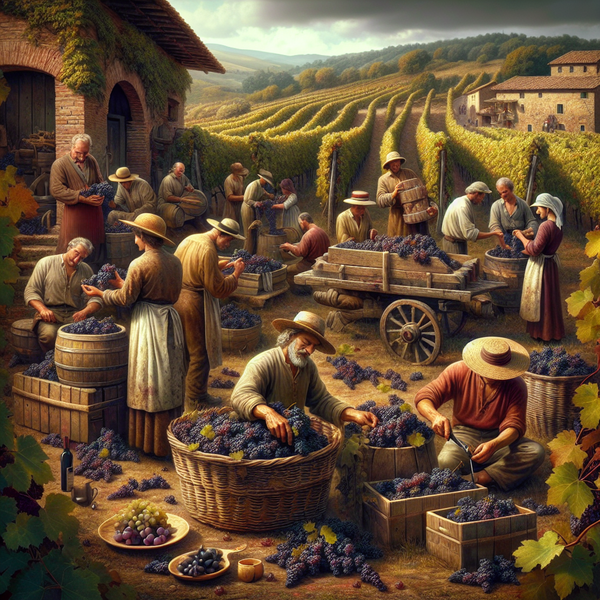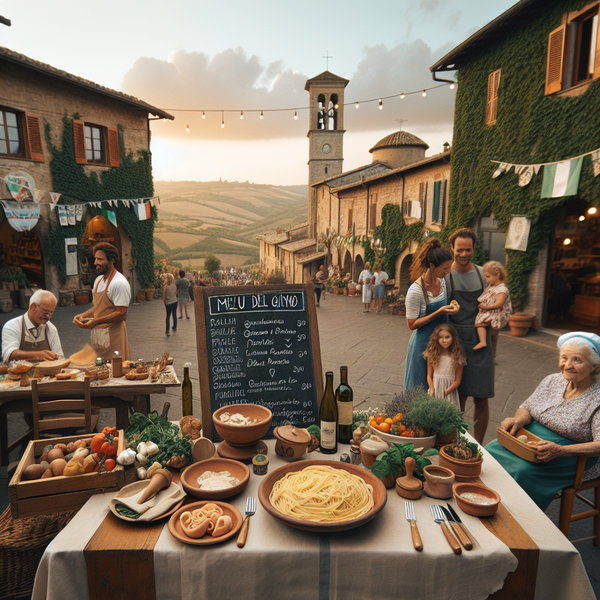
In Italy, slowing down to eat isn’t a trend — it’s a philosophy with roots deep in the countryside and kitchens of people who still measure meals in conversation, not minutes. The Slow Food movement began in Piedmont, but its influence extends from the wine towns of Friuli to the citrus groves of Sicily. To experience it fully, travelers must do more than taste pasta; they must meet the people behind each dish, understand the landscapes shaping those ingredients, and appreciate the stubborn insistence on taking time.
Go to the section
ToggleUnderstanding the Origins of Italy’s Slow Food Movement
The Slow Food movement began in Bra, a small town in Piedmont, where local journalist Carlo Petrini campaigned against the arrival of a fast-food restaurant near Rome’s Spanish Steps. The movement quickly grew into an international network promoting local agriculture, biodiversity, and traditional recipes. If you visit Bra today, you can stop by the Università degli Studi di Scienze Gastronomiche in nearby Pollenzo — the world’s first university dedicated to food culture. The campus is open for guided tours that trace how Italy’s regional ingredients are connected to heritage and ecology.
Visiting Slow Food Presidia and Taste Workshops in Piedmont
To see the movement’s mission alive in the fields, travelers can visit Slow Food Presidia producers in Piedmont. These small farmers protect endangered ingredients such as Tonda Gentile hazelnuts from Langhe, Carmagnola peppers, and Robiola di Roccaverano cheese. In Asti province, the family-run Caseificio di Roccaverano allows visitors to watch goats being milked and sample fresh curds paired with local acacia honey. The town of Bra also hosts the biennial Cheese Festival, one of the most important gatherings for traditional dairy producers in Europe. Attending a taste workshop here means sitting down with affineurs who can tell you not only the flavor but the hillside where their milk was born.
Slow Food Cities and Osterie that Define Everyday Traditions
Some Italian towns have earned official Slow City designations, recognizing their efforts to preserve craftsmanship and culinary identity. Orvieto in Umbria limits chain restaurants in its historic center and holds weekly farmers’ markets in Piazza del Popolo. In Tuscany, Greve in Chianti’s Saturday market sells olive oils pressed by families you can meet at their mills nearby. For a meal aligned with the movement’s values, look for an Osteria Slow Food identified in the guidebook Osterie d’Italia. Places like Osteria Bancogiro in Venice or Trattoria Amerigo 1934 near Bologna have cucina di territorio — menus that change according to what’s genuinely in season rather than tourist demand.
Find all the best hotel deals – click here
Hands-On Ways to Experience Slow Food in Italy
The easiest way to connect with Slow Food ideals is through direct participation. In Emilia-Romagna, near Modena, small balsamic vinegar producers like Acetaia Malpighi offer tastings that trace a vinegar’s 12-year evolution through barrels of cherry, oak, and juniper. In Calabria, family agriturismi invite guests to roll fileja pasta by hand with ferretto sticks, a technique passed down for generations. And in Sardinia, shepherds on the Supramonte plateau welcome hikers for lunches of pecorino, wild asparagus, and Cannonau wine. Every encounter underlines how eating slowly is also a way of protecting community knowledge.
Discover the best local experiences – click here
Regional Trails that Bring the Slow Food Movement to Life
Rather than hopping between major cities, follow regional food trails designed for learners, not just tasters. The Strada del Barolo e dei Vini di Langa winds through Piedmont’s UNESCO-protected vineyards and hosts small cooperatives where you can compare Barolo from communes like La Morra and Serralunga. In Puglia, the Via dei Trulli e del Vino connects Alberobello and Locorotondo, offering olive oil mills dating back generations. Sicily’s Strada del Cerasuolo di Vittoria focuses on wines made from Nero d’Avola and Frappato grapes. Each route includes signage, tasting stops, and lodging recommendations directly tied to local farmers.
Supporting Biodiversity Through Food Choices in Italy
The Slow Food movement isn’t nostalgic; it’s practical ecology you can taste. By choosing menu items marked as Presidium or Ark of Taste products, you help protect endangered species like the Vessalico garlic of Liguria or the pink apples of Valle di Non. Markets such as Turin’s Porta Palazzo or Florence’s Sant’Ambrogio often label their booths with the green snail logo, signaling they’re part of the network. Purchasing honey from black bee keepers of Sicily or flour made from Saragolla wheat sustains both the soil and the families who maintain traditional milling jobs that might otherwise vanish.
Combining Slow Food with Slow Travel
To truly embrace the spirit, align your entire itinerary with slow travel principles. Instead of covering four regions in a week, choose one and settle in. Rent an apartment in Parma and dedicate each day to visiting a different Parmigiano Reggiano producer, from mountain dairies in the Apennines to cooperative aging caves. Many high-speed trains now stop in smaller towns, letting you travel sustainably without a car. The reward is immersion: when the baker in your street corner greets you by name after three mornings, you’re living the ideal that Slow Food began with — connection through presence.
How to Join Local Slow Food Events and Community Dinners
Check the calendar of your nearest Condotta Slow Food — the local chapter hosting everything from tasting talks to communal dinners. In Naples, members gather for pizza nights showcasing heritage wheats; in Trentino, autumn feste pair local cheese makers with craft brewers. Participation usually costs between five and twenty euros, covering food, wine, and an introduction to fellow enthusiasts. These dinners often take place in farm courtyards, with everyone seated long-table style, swapping stories about the mountain herbs or olive groves represented on the plate.
Where to Shop for Authentic Slow Food Products in Italy
For tangible souvenirs, visit physical Slow Food stores and cooperatives rather than tourist shops. Eataly Lingotto in Turin dedicates entire aisles to Presidia ingredients — though pricier, you can verify producers by scanning their numbered labels. In smaller towns, look for Botteghe del Gusto signs, where shopkeepers will gladly explain how to store your cheese on the journey home. Many producers can vacuum-seal products like Guanciale or lentils from Castelluccio so they remain travel-safe for flights.
Practical Tips for Travelers Exploring Italy’s Slow Food Scene
- Plan your trip around regional festivals like Terra Madre Salone del Gusto in Turin or Fiera del Tartufo in Alba — tickets can sell out months in advance.
- Book agriturismo stays directly with farms affiliated with the Slow Food network by checking the snail logo on their website.
- Carry cash for small markets — many vendors in rural areas still don’t accept cards.
- Bring a reusable bag and water bottle to minimize waste; sustainability is part of the ethos.
Experiencing Italy’s Slow Food movement means seeing gastronomy as a reflection of patience and care — values Italians have practiced for centuries. It’s a journey best taken with an open notebook, an empty stomach, and the willingness to spend more time at each table than you think you should.