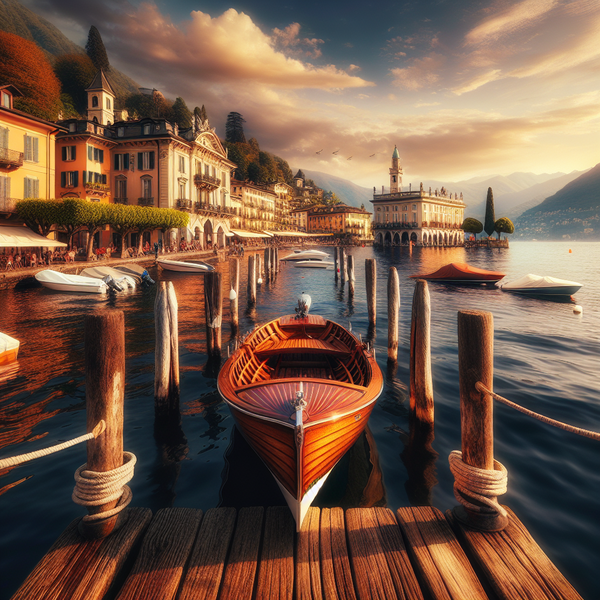
Few Italian lakes balance grandeur and intimacy quite like Lake Maggiore. Stretching from Piedmont to Lombardy and brushing the Swiss border near Ticino, this lake is all long reflections, jasmine-scented gardens, and historical villages that feel unmistakably alive. Traveling its shores isn’t about ticking off attractions — it’s about following the rhythm of ferries, coffee cups, and shifting light on the water.
Go to the section
ToggleExploring Stresa and the Borromean Islands: Lake Maggiore’s Crown Jewels
The elegant town of Stresa remains the natural springboard for exploring Lake Maggiore’s most scenic treasures: the Borromean Islands. Ferries leave regularly from Piazza Marconi jetty — a simple ten-minute walk from the Stresa railway station — linking the trio of islands that dominate the lake’s central panorama.
Start with Isola Bella, where the 17th-century Palazzo Borromeo rises from terraces of white marble statues and geometrically clipped hedges. The peacocks wandering its ten garden levels are not just for show — they’re descendants of those introduced by the Borromeo family themselves. Just a short hop away, Isola dei Pescatori retains its original fishing village layout, with laundry flapping above cobbled lanes and trattorias serving locally caught perch risotto. Round off your island circuit on Isola Madre, the most serene of the three, known for its exotic botanical gardens where camellias and magnolias grow beside rare pheasants.
Travel tip: the daily island ferry pass (available at the Stresa ticket office) is the most flexible way to hop between islands and costs less than buying individual legs.
Hidden Lakeside Corners: From Baveno to Pallanza
Heading north, the next stretch of shoreline from Baveno to Pallanza showcases Lake Maggiore’s elegant restraint. Baveno’s pink granite quarries once supplied stone for Milan’s Duomo, and you can still spot it in the pillars of the Chiesa dei Santi Gervaso e Protaso near the ferry dock. Walk a few minutes inland for gelato at Gelateria Amore (Via Monte Grappa 5) — their hazelnut flavor is quietly famous among locals.
Further along sits Pallanza, part of the municipality of Verbania, with its picture-perfect waterfront and manicured promenade lined by camphor trees. The Villa Taranto Gardens, covering 16 hectares, unfold here in a cascade of fountains and plant collections meticulously labeled in both Italian and Latin. Visit in late spring when the azaleas and tulips create natural tapestries rivaling anything on Lake Como. The ferry from Pallanza to Intra runs twice hourly, letting you enjoy both old and new halves of Verbania without driving.
Legendary Views from Mottarone and Monte Orsa: Panoramas Above the Lake
While Lake Maggiore dazzles at water level, its full dimension emerges only when you head upward. The Mottarone cable car, once running directly from Stresa, is currently replaced by organized shuttle and hike combinations that ascend the 1,491-meter summit. On clear days, the view stretches to seven lakes and the Monte Rosa massif glimmering on the horizon. For fit walkers, a two-hour loop trail starts near Alpe Nuovo (accessible by local bus) and rewards with uncrowded vantage points.
Closer to the Swiss border, Monte Orsa above Laveno offers a different mood: less alpine spectacle, more raw drama. The cable car here uses open-air ‘bucket seats’ — a quirky thrill that’s been running since the 1950s. At sunset, the stone cross viewpoint turns pink in the fading light, and the descent reveals entire stretches of Lombard shoreline rarely seen by drivers.
Romantic Walks and Heritage in Cannobio and Cannero Riviera
At the lake’s northern end lies a quieter world of stone arcades and pastel facades. Cannobio, only 10 minutes from the Swiss border, charms visitors with its Sunday market filling the lakeside Piazza Vittorio Emanuele III. Come early for bread rings known as cruvee and cured Val Vigezzo meats sold by smiling nonne. Take the 1.5 km lakeside promenade walk from the marina to the Orrido di Sant’Anna gorge: the turquoise torrent runs below a stone bridge and a Baroque sanctuary perched improbably on the rocks.
Just a few kilometers south, Cannero Riviera faces the mysterious Castelli di Cannero — small medieval ruins stranded on twin islets. Their walls glow honey-colored at sunset, making them a favorite photography stop. For the best angle, take a morning ferry from Cannero and sit on the right-hand side going north; this avoids glare and captures the Alps perfectly behind the towers.
Swiss Charm at Ascona and Brissago Islands
Cross the border into Ascona, in the canton of Ticino, and you’ll feel Lake Maggiore subtly shift character. The architecture turns pastel Mediterranean, and the promenade buzzes with life, yet prices remain gentler than nearby Lugano. Grab coffee at Bar Battello facing the harbor for that vintage lakeside glamour — complete with Vespa hums and church bells. The local tourist office rents e-bikes that make visiting nearby Locarno along the flat lakeside path an easy half-day outing.
From Ascona, small ferries reach the Brissago Islands in about 15 minutes. The larger island is home to the Botanical Garden of Ticino, showcasing over 1,700 plant species. Because the lake’s microclimate stays mild even in winter, you’ll see palms and lotus flowers coexisting with alpine conifers — a surreal meeting of ecosystems. Pack insect repellent and take an early departure to avoid midday crowds arriving from Swiss tour buses.
Peaceful Routes and Lakeside Villages on the Lombardy Shore
While the Piedmont side gathers much attention, the Lombardy shore deserves equal credit for its unhurried atmosphere. Luino hosts one of northern Italy’s largest weekly markets on Wednesdays, transforming the town’s streets into a colorful corridor of fabrics, local cheeses, and Ligurian oils. Park in Via Bernardino Luini before 9 a.m. to find a space, or better yet, take the regional train from Milan Porta Garibaldi — the station is only a five-minute walk from the stalls.
Farther south, Angera and its formidable Rocca Borromeo offer historic weight and unspoiled views opposite Arona. The castle museum displays antique dolls and toys, an oddly endearing counterpoint to its military origins. Sunset from Angera’s lakefront pier is one of the most peaceful scenes on all of Lake Maggiore: ferries gliding, swans drifting, and the Alps glowing rosy to the north.
Practical Itineraries for Exploring Lake Maggiore
For first-timers, a three-day route balances boats, gardens, and upland panoramas:
- Day 1: Base yourself in Stresa. Visit the Borromean Islands using the lake ferry, pause for lunch at Isola dei Pescatori, and stroll the Stresa promenade in the evening.
- Day 2: Head north to Verbania and explore Villa Taranto Gardens before catching the ferry to Laveno. Ride the open cable cars to Monte Orsa for sweeping views.
- Day 3: Drive or ferry to Cannobio for the Orrido di Sant’Anna walk, then cross into Switzerland to end the day sipping espresso by Ascona’s port.
Those with more time might add a gentle bike ride along the Magadino plain in Ticino or a swim at Ghiffa’s free public lido, where the water clarity often surprises first-time visitors.
Final Thoughts: The Rhythm of Lake Maggiore Travel
Unlike its more theatrical sibling Lake Como, Lake Maggiore rewards curiosity and stillness. Scenic spots are rarely empty, yet never feel overrun. The best journeys combine its faces — Italian grace, alpine clarity, Swiss order — into a continuous thread of water and sky. Whether it’s an early ferry misting through to Isola Madre or the mountain air on Mottarone at dusk, the lake offers travelers something Italy excels at: a beauty that doesn’t need performance, only presence.