Opera in Italy is not just a performance – it is a living expression of national identity, theatrical tradition, and civic pride. From gilded stages in Milan to open-air amphitheaters in Verona, each opera house tells a unique story. Experiencing them well requires more than booking a ticket; it’s about understanding their quirks, history, and the Italian habits that make attending the opera both grand and intimate.
Go to the section
ToggleExperiencing La Scala in Milan: Italy’s Cultural Powerhouse
The Teatro alla Scala in Milan stands as the world’s most revered opera house, both for its acoustics and its social significance. Opened in 1778 and rebuilt after World War II, La Scala remains the stage where Italian and international audiences come to judge excellence. Attending a performance here is both a privilege and a ritual: the dress code still leans elegant, with locals in tailored suits and understated eveningwear even for weekday performances.
Tickets can be challenging to secure, particularly for opening nights of Verdi or Puccini productions. The box office releases a limited batch of affordable seats at noon on performance days, so being in line by 11 a.m. at the side entrance on Via Filodrammatici can be worthwhile. Alternatively, the official website allows advance booking as soon as new seasons are announced, and opting for lesser-known works often means better seating at fairer prices.
Before the show, the historic Bar Luce at Fondazione Prada—designed by filmmaker Wes Anderson—is a 10-minute taxi ride away and makes a refined stop for a pre-performance aperitivo. Pair a Milanese Negroni sbagliato with a slice of local panettone for a surprisingly theatrical prelude to a night at La Scala.
Opera in Venice: The Allure of Teatro La Fenice
Few opera houses in Italy have undergone as many rebirths as Teatro La Fenice (“The Phoenix”) in Venice. Rebuilt multiple times after devastating fires, it still exudes 19th-century splendor with frescoed balconies and velvet seats. The opera season typically runs from November to July, with occasional summer concerts designed for the high tourist season.
What makes La Fenice distinctive is its location: you can arrive directly by gondola or vaporetto, disembarking at the Santa Maria del Giglio stop. Inside, the gold and ivory auditorium may appear small, but the intimacy enhances the experience—the singers seem almost within reach. Balcony seats in the third row offer excellent sightlines at a fraction of the parterre price, and the house’s acoustic clarity ensures even a whisper from the stage carries effortlessly.
To deepen the experience, consider the morning guided tour, which includes behind-the-scenes access to the royal box and stage wings where legendary sopranos rehearsed. The tour ends in the café overlooking the Rio Menuo, where you can sip an espresso while musicians tune for rehearsal—a rare glimpse behind the curtain of Venetian elegance.
The Open-Air Opera Experience at Verona’s Roman Arena
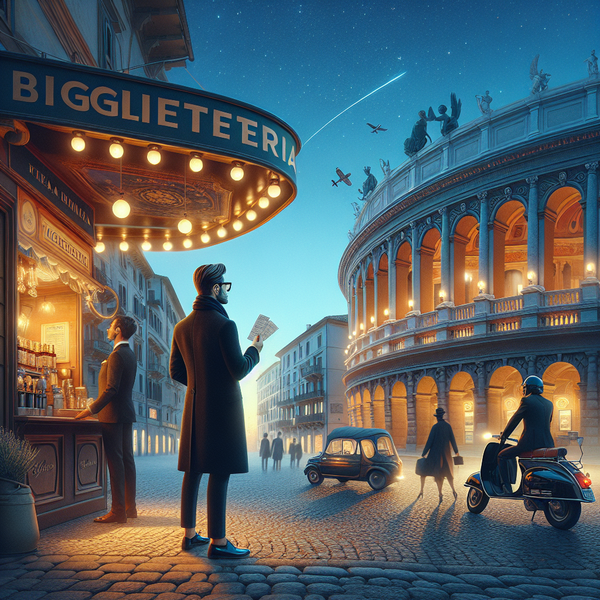
For sheer scale and atmosphere, the Arena di Verona offers something unmatched. Built in the 1st century AD, the amphitheater transforms every summer into a colossal opera stage, accommodating nearly 15,000 spectators. Watching Aida or Carmen under a star-filled sky while real horses or chariots parade the ancient stage is one of the defining experiences in Italian cultural tourism.
Guests often arrive early to watch the city transform: restaurants near Piazza Bra fill by 6:30 p.m., serving local Amarone wine and risotto all’Amarone before the 9 p.m. curtain. Seats on the stone steps are available at entry-level prices but bring a cushion—locals carry their own small pads or rent one at the entrance for a few euros. Reserved numbered seats in the central sections are worth it if you wish to enjoy the spectacle without the jostling crowd.
The Arena’s acoustics can surprise first-time visitors: even in open air, the sound carries beautifully, enhanced by minimal amplification. As the torches are lit and the first notes rise, Verona’s Roman history fuses with its musical vitality, reminding you why Italy remains the birthplace of opera fervor.
Naples and the Drama of Teatro di San Carlo
Naples’ Teatro di San Carlo predates even La Scala, making it Europe’s oldest continuously active opera house. Founded in the 18th century beside the Royal Palace, it once dazzled Bourbon kings and composers like Rossini. Its auditorium of blue and gold is Italian opulence at its peak, with a horseshoe design that still defines many later opera houses.
Performances here tend to reflect the southern passion that defines Naples: audiences applaud heartily, call “Bis!” for encores, and sometimes offer roses or whistles of approval when a tenor reaches an especially daring high note. This energy makes every evening memorable, but also requires punctuality—doors close sharply five minutes before curtain, and late arrivals must wait for the first scene change.
Grab a pre-theater bite at Gran Caffè Gambrinus across the piazza for a sfogliatella pastry paired with espresso. Locals often stand at the marble counter rather than sit; it’s faster and a third of the price. Walking from there into the theater’s portico as church bells ring from nearby Piazza del Plebiscito truly ties Naples’ daily rhythm to its operatic heart.
Florence’s Teatro del Maggio Musicale Fiorentino: Modern Opera in Renaissance Cityscape
Florence’s Teatro del Maggio Musicale Fiorentino represents Italy’s contemporary face of opera. Reconstructed in recent years to include cutting-edge acoustics and minimalist interiors, it stands near the Arno River, just a 15-minute walk from the historic center. Instead of baroque gilding, you’ll find sleek concrete and walnut, designed to highlight modern staging and orchestral precision.
The Maggio Musicale festival—running from April to early summer—is one of Italy’s oldest music festivals, attracting international directors and experimental productions. Booking early allows access to open rehearsals, a fantastic option for travelers who prefer daytime cultural activities. Cafés nearby on Viale Rosselli serve light Tuscan fare, like ribollita soup or panzanella, making a casual yet refined dinner stop before curtain time.
Florentines tend to arrive fashionably late to performances, but ushers strictly close the hall once the maestro lifts the baton. Bring a light shawl—air conditioning is notably strong—and stay after the performance to enjoy informal chats with musicians at the adjacent foyer bar.
Lesser-Known Gems: Parma, Palermo, and Torino
Beyond the famous stages lie equally compelling but less crowded experiences. In Emilia-Romagna, the Teatro Regio di Parma serves as a living shrine to Giuseppe Verdi. Every autumn, the Festival Verdi draws enthusiasts from across the world for authentic, historically informed productions performed in Verdi’s own dialect region. For tickets, the box office on Strada Giuseppe Garibaldi opens daily except Mondays and accepts advance reservations by phone—a rarity that rewards personal contact.
Further south, Sicily’s Teatro Massimo in Palermo boasts one of Europe’s largest stages. The marble stairway, flanked by lions, often hosts open-air prelude concerts in summer. Visiting between May and July guarantees both grand opera and balmy evenings perfect for strolling nearby Via Maqueda afterward for a late pistachio gelato.
Meanwhile, Turin’s Teatro Regio merges modernist architecture with a Storeroom of historic stagecraft artifacts open for tours. The theater frequently collaborates with the local film museum, fitting for a city that birthed Italian cinema. Turin’s audience tends to be intellectual yet welcoming—ideal for travelers wanting a more local, less touristic evening out.
Planning Your Italian Opera Journey Efficiently
Italy’s opera houses distribute their seasons strategically across the year, allowing dedicated travelers to link several performances in one trip. Winter belongs primarily to northern stages like La Scala and La Fenice, while summer dominates Verona, Palermo, and open-air venues. Booking intercity connections via Trenitalia’s high-speed Frecciarossa network makes it realistic to attend performances in different cities across a week.
For tickets, always use official websites or registered Italian box offices; third-party resellers often charge unnecessary surcharges. Dress codes vary but err on the side of formality—smart attire is always appreciated, even in outdoor arenas. Finally, Italians rarely leave immediately after curtain fall. Staying a few minutes to applaud the orchestra or join a standing ovation is part of the etiquette and lets you savor the atmosphere a little longer.
Why Experiencing Italian Opera Houses Matters
Visiting Italy’s opera houses offers more than entertainment—it connects you to the artistic fabric that shaped Italy’s civic and regional identities. Each venue reflects its city’s soul: Milan’s precision, Venice’s fragility, Naples’ exuberance, Florence’s innovation, and Verona’s grandeur. Beyond the notes and costumes, these theaters preserve the communal ritual of gathering for beauty and emotion, still alive centuries after their founding.
Travelers who plan thoughtfully—reserving seats early, dressing respectfully, and observing local habits—will experience not just performances, but evenings that remain etched in memory. The applause, the stage lights fading, the murmured Ammazza! from a nearby Italian—these are the small moments that persist long after the final curtain.