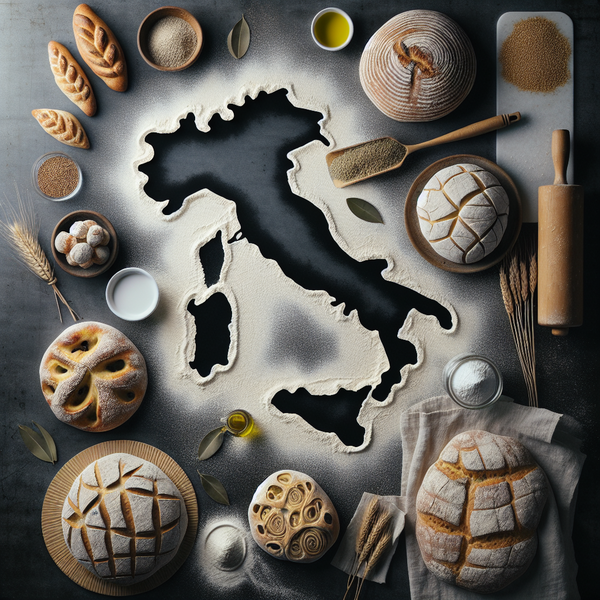
Ask any Italian about bread, and you’ll ignite a conversation that shifts from flour types to family ovens in a heartbeat. Bread isn’t just a side dish here—it’s a living timeline of regional pride and rural ingenuity. I’ve spent months tracing the scent of freshly baked loaves from Puglia’s ancient forni to the dark, nutty breads of Alto Adige. If you’re serious about uncovering authentic bread-making traditions across Italy, this is your loaf-by-loaf guide.
Go to the section
ToggleAltamura and the Ancient Durum Loaves of Puglia
In Altamura, a small town in southern Puglia, bread isn’t just baked—it’s certified by law. The Pane di Altamura DOP (Protected Designation of Origin) must be made with 100% local durum wheat, natural starter yeast, and water from the Alta Murgia aquifer. Locals queue at dawn at bakeries like Forno Di Gesù or Forno Santa Chiara, their fogged windows hinting at blistered, golden rounds that ring hollow when tapped. Each loaf weighs nearly two kilograms and can stay fresh for over a week, a nod to its origins as a farmer’s staple during long days in the fields.
Visitors can join hands-on workshops at small mills outside Altamura, where you’ll grind semolina using ancient stone wheels and shape the bread’s distinctive folded top—known as *ul cappidde de prèvete*, or “the priest’s hat.” If you time your visit for late autumn, the scent of roasting chestnuts mixes with the freshly baked crusts, creating a sensory postcard of rural Puglian life.
Matera’s Rock-Cut Ovens and Sourdough Continuity
Just across the regional border in Basilicata, Matera’s bread tells a slightly different story. Shaped like a mountainous landscape, the Pane di Matera has been baked in cave ovens carved into the tufa stone since medieval times. The starter is often cultivated from chickpea flour rather than wheat, giving a tangier depth and darker hue. In bakeries such as Il Forno di Gennaro or Panificio Perrone near the Sassi quarter, you can still spot the initials stamped onto each family’s loaf—a centuries-old way of avoiding mix-ups in the communal oven.
Stop by the market on Via San Biagio early in the morning to see locals cradling warm loaves wrapped in brown paper. The tradition here is less about nostalgia and more about survival; these dense breads were engineered to endure travel and time. Pair a slice with local stravecchio pecorino or a drizzle of olio lucano for a taste that stretches back through generations of shepherds and stonemasons.
Tuscany’s Unsalted Loaves and the Art of Scarcity
In contrast, Tuscany’s famous pane sciocco (literally “bland bread”) contains no salt at all—a quirk dating back to a medieval salt tax imposed by nearby Pisa. Every corner bakery in Florence and Siena still adheres to this practice. The result is a soft, neutral crumb that makes sense once you try it with Tuscan toppings: the peppery bite of olio novo, the salt of wild boar prosciutto, or the umami of crostini neri smeared with chicken liver pâté.
At Forno Pugi on Piazza San Marco in Florence, the bakers begin kneading before sunrise, wives and students alike lining up for the first pull from the oven around 7:30 a.m. If you’re staying in a hill town such as San Gimignano or Montepulciano, ask for loaves marked “a lievitazione naturale”—a sign that they use traditional slow fermentation rather than commercial yeast. This process, once a necessity, now signals a return to authenticity prized by younger artisans reviving non-industrial bread.
Find all the best hotel deals → Booking.com Italy
Sardinia’s Paper-Thin Pane Carasau and Nomadic Roots
Travelers to Sardinia often expect seafood and lamb, but few realize that its most symbolic food is a whisper-thin bread, pane carasau. Once baked for shepherds who roamed the Supramonte mountains, each round is roasted twice in a wood-fired oven until it becomes crisp enough to last months. In village bakeries in Barbagia, like Panificio Demelas in Ovodda, women still sit in teams of three—one stretching, one baking, one layering the golden disks into tall stacks that crackle under finger pressure.
Ask any Sardinian cook about carasau and they’ll inevitably mention its cousin, pane guttiau, brushed with olive oil and sprinkled with sea salt before sliding back into the oven for a quick kiss of heat. It’s both bread and snack, eaten with pecorino sardo or used base-first in pane frattau—a shepherd’s lasagna layered with tomato sauce and poached egg. Watching this communal choreography feels like stepping into a kitchen ballet passed through generations of women who measure skill by touch, not timers.
Mountain Breads of Trentino-Alto Adige: Dark Grains and Wooden Ovens
In northern Italy, the air changes—and so does the flour. Around Bolzano and Bressanone, the signature bread is schüttelbrot, a crisp rye flatbread scented with fennel seeds, caraway, and sometimes dried apple. Its name means “shaken bread,” referring to the method of forming each round by tossing it between the baker’s hands until thin enough to dry rather than bake. You can taste its Alpine practicality: low moisture, high shelf life, designed for life in snowy valleys where ovens were lit sparingly.
Small mountain farms around Val di Funes often host public baking days in restored wooden huts, or Backhütten, where travelers can help mix the dark doughs with locally milled rye from Maso Gummererhof. Nearby markets in Vipiteno and Ortisei sell bags of the same nutty flour so you can recreate the flavor at home. Pair it with mountain butter and juniper-smoked speck, and you taste both the Germanic precision and Italian soul of this bilingual region.
Discover the best local experiences → Book authentic bread tours in Italy
Liguria’s Focaccia Culture: Between Bakery and Social Ritual
Liguria might be narrow, but its breads vary from coastal to mountain valley in a matter of kilometers. In Genoa, the flat, oily focaccia genovese anchors daily life—locals order “un pezzo” with their morning espresso. The dough is dimpled with fingertips, baptized with brine, and baked until the surface glistens. Try Panificio Mario on Via San Vincenzo between 7 and 9 a.m., when trays slide from the oven and the smell of sea salt and yeast fills the narrow street.
Further east, in Recco, the renowned focaccia di Recco is nearly transparent, filled with fresh stracchino cheese and baked at blistering heat. It’s registered under IGP (Protected Geographic Indication), and local bakers hold fierce competitions each May to protect its authenticity. If you plan your trip around such a festival, book dining seats in advance—the entire town queues outside bakeries, paper plates in hand, with a level of excitement usually reserved for concerts.
Sicily’s Oven Traditions: From Pane di Monreale to Modica’s Ancient Crumbs
Sicilian bread scenes are as diverse as the island itself. Outside Palermo, Pane di Monreale loaves rise in vaulted stone ovens called mafaradda, heated with olive and orange wood until the crust darkens to mahogany. The flour often includes toasted sesame seeds, producing a nutty aroma that clings to your clothes after a bakery visit. Drive inland to Enna, and you’ll find pane nero di Castelvetrano—made with ancient tumminia grain still grown organically on the sunburned hills. Its gray-brown crumb reveals the mineral bite of Sicily’s volcanic soil.
In Modica, some bakers still sprinkle dried oregano into their dough, a rarity elsewhere in Italy. Locals use the leftover breadcrumbs in dozens of traditional dishes, from pasta toppings to stuffing for sardines. Bread here is a full-circle ingredient: grown, baked, crumbled, and reborn. It’s the ultimate expression of zero waste—a philosophy practiced well before sustainability became a buzzword.
Learning and Participating: How Travelers Can Join Bread Culture
Seeking authentic bread-making traditions across Italy means more than tasting; it means participating. Many regions now organize rural “bake days” (giornate del pane) where families open up their ovens to visitors. In Umbria, the town of Gualdo Tadino hosts one each spring, complete with flour-sifting competitions and olive oil tastings. In Trentino, the Museo del Pane in Valles offers courses on sourdough fermentation using high-altitude grains. Italy’s bread is not made for souvenirs, but for stories—and each loaf tells one if you listen closely.
My advice: map your route around the dough, not the landmarks. Schedule extra time in smaller towns, wander into bakeries before breakfast, and buy directly from family-run mills when you can. The secret to finding authentic bread here is simple: follow the smell of wood smoke, not the signboard outside a tourist café.
From Oven to Table: Understanding Italy Through Its Bread
Exploring these bread-making traditions doesn’t just fill your stomach—it fills in the gaps of Italian identity that no museum plaque can explain. From the saltless pride of Tuscany to the durum resilience of Puglia, each region’s loaf is both nourishment and narrative. By tracing their paths, you’ll see how regional isolation created flavor, and how flavor sustained community. And as with anything involving Italian food, the rule remains timeless: the more local, the more profound the experience.
Next time you tear into a crusty round or paper-thin sheet, remember that what you’re tasting is not just flour and water, but centuries of adaptation baked into a single, fragrant slice.