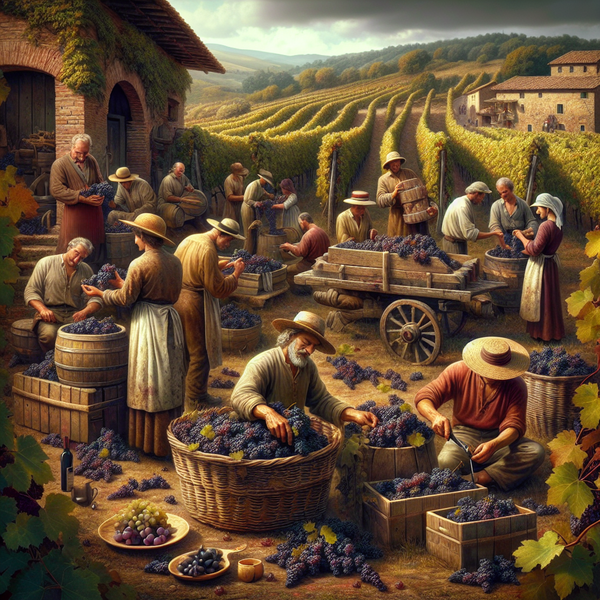
There’s a particular sweetness in the Italian air during vendemmia — the wine harvest. From early September through mid-October, fields in Tuscany, Piedmont, and Sicily brim with activity as grapes are hand-picked, baskets filled, and cellars prepared for pressing. To truly experience Italy’s wine harvest traditions, you need to move beyond simple tastings and share the rhythm of rural life, even just for a day or two.
Go to the section
ToggleUnderstanding the Timing and Culture of Italy’s Wine Harvest
The vendemmia follows the rhythm of the land and the grape variety. In Tuscany’s Chianti Classico zone, harvest typically begins in late September, when Sangiovese grapes reach their balance of sugar and acidity. In Piedmont, Nebbiolo grapes linger on the vine longer — often until early October — giving Barolo and Barbaresco their depth and tannic backbone. Sicily, on the other hand, starts earliest, with Nero d’Avola and Catarratto picked under the blazing August sun.
The culture of vendemmia is social at its core. Families and seasonal workers gather before dawn, scissors in hand, chatting while cutting grape clusters. If you join a small estate — like those around Montepulciano or Langhe — you’ll likely be invited to share a long lunch in the vineyard, with dishes such as ribollita or agnolotti del plin passed along rustic wooden tables. The experience reveals that the harvest isn’t just about production, but about community and gratitude for the season’s bounty.
Where to Join or Observe Wine Harvest Traditions in Italy
Opportunities vary by region, but you’ll find immersive harvest programs across the peninsula. In Tuscany, agriturismi such as those near Greve in Chianti or Montalcino often welcome guests to help collect grapes for a morning. The reward? A hearty farmer’s lunch paired with new vintages straight from the cellar. In the Langhe area of Piedmont, travelers can join harvest weekends organized by family-run wineries where you might stomp grapes and taste fermenting must directly from the vat.
Southern Italy offers even more intimate experiences. In Sicily’s Etna region, estate owners invite visitors to gather Carricante or Nerello Mascalese grapes while Mount Etna smokes lightly on the horizon. In Puglia, Masseria farms near Lecce open their gates in late August, pairing harvest days with dinners featuring grilled vegetables and local Primitivo. Each region reflects its cultural pride through food, music, and close connection to the land.
Hands-On Vendemmia Experiences for Travelers
If you want more than observation, several regions organize structured programs where tourists participate directly in the harvest cycle. In Tuscany’s Val d’Orcia, boutique wineries limit group sizes to encourage meaningful involvement — clipping grapes, cleaning baskets, and even learning to test the sugar levels using a handheld refractometer. In Piedmont, cooperatives near Alba sometimes allow guests to help load presses or stir must, under supervision, before sampling the juice as fermentation begins.
More immersive agriturismi may invite guests to stay on-site during harvest week. Lodging in a rural farmhouse like those near Castellina in Chianti or Barolo means waking up to dew-soaked vines, working until midday, and joining communal dinners celebrating the day’s yield. These programs often include tastings of younger wines alongside aged bottles, providing an illuminating contrast between past and future vintages. Booking ahead is essential, as harvest roles are limited and highly sought after by returning visitors.
Local Wine Harvest Festivals Worth Timing Your Trip Around
Many Italian villages mark the end of the harvest with lively festivals blending food, wine, and folklore. One of the most atmospheric is the Festa dell’Uva in Impruneta, just south of Florence. Every September, the town’s four districts compete with allegorical floats made of grapes and vines, celebrating centuries of Chianti heritage. Meanwhile, in Alba in Piedmont, Barolo and Barbaresco producers join the annual Fiera del Tartufo (Truffle Fair), pairing truffles with freshly pressed must for unforgettable aromas.
Head south to Marzamemi in Sicily to join smaller events around late September, when locals celebrate the end of grape-picking with open-air seafood barbecues and local Nero d’Avola tastings. In Trentino-Alto Adige, the Merano Wine Festival in autumn blends mountain scenery with bilingual tastings that attract sommeliers from across Europe. Attending these festivals allows you to see how wine shapes cultural identity far beyond the cellars.
Best Practices for Joining the Italian Harvest Respectfully
Participation in a working harvest requires sensitivity. Always confirm that your chosen winery accepts volunteers or guests — not all estates are equipped for tourism during such a demanding period. Bring sturdy shoes, gloves, and sun protection; mornings can be cool but midday heat intense, especially in central and southern Italy. Avoid perfume or scented body lotions, which can interfere with grape aromas during fermentation.
Understand that punctuality and effort earn genuine appreciation. Show up on time, follow directions from the cantina team, and accept that tasks may be repetitive — it’s part of the rhythm. During breaks, many winemakers share simple snacks: pecorino cheese, figs, and bread soaked in must. Listening to their stories turns the labor into understanding — how weather, soil, and patience shape each harvest’s legacy.
Pairing Wine Harvest Travel with Regional Gastronomy
Wine harvest season coincides beautifully with Italy’s most abundant culinary period. Early autumn markets teem with porcini mushrooms, figs, and chestnuts, which find their way into local harvest menus. In Chianti, expect hearty stews like peposo and grilled steak (bistecca alla fiorentina) sliced alongside just-fermented novello wine. In Piedmont, white truffles emerge under the same soil where vines grow, inspiring dishes such as tajarin pasta showered with shavings of the prized tuber.
Southern vineyards highlight a very different palette: in Campania and Basilicata, grapes share space with olive trees, and many estates combine their olive harvests with grape-picking for visitors. Wines like Aglianico pair perfectly with roasted peppers and fresh ricotta. Meanwhile, in Sardinia, Cannonau wines match the earthy flavors of roast lamb and myrtle-infused sausages. Food becomes an inseparable part of your memory of vendemmia — each plate a reminder of the soil’s generosity.
Planning Logistics for a Seamless Wine Harvest Trip
Reaching smaller vineyards requires some logistical planning. While train connections serve most regional hubs like Florence, Alba, or Palermo, rural cellars nearly always demand a rental car. If you fly into Florence or Turin, plan to drive 30–60 minutes to reach vineyards in Chianti or Langhe. Narrow countryside lanes require extra attention, and parking often means unpaved lots beside the vines — part of the charm, but worth preparing for sturdy footwear.
Booking accommodations directly with agriturismi saves you from long drives at dawn. Many include breakfast and dinner, allowing you to focus on the harvest itself. Autumn can bring unexpected rain, so waterproof footwear and lightweight jackets are wise add-ons. Finally, Italians cherish quiet afternoons: expect longer lunch breaks and slower service during harvest weeks. Planning around this rhythm ensures your Italian wine harvest experience feels harmonious rather than hurried.
Extending Your Vendemmia Journey Beyond the Vineyards
Once the grapes are in and the pressing done, extend your harvest journey with cellar tours and tastings. Many Italian wineries schedule cantina aperta (open cellar) weekends during late October. In Tuscany, estates like those in Bolgheri or Montepulciano unveil new vintages paired with seasonal dishes. In Piedmont, producers of Barbera and Dolcetto organize vertical tastings, comparing bottled vintages over a decade to show the evolution of local terroir.
If you’ve helped harvest, returning years later to taste “your” vintage is surprisingly emotional. Some small producers even offer mailing lists for participants, sending updates as the wine ages in the cellar. This long-term connection — between traveler and vintner, season and soil — is what makes experiencing Italy’s wine harvest traditions unlike any other form of travel. It’s not about visiting Italy for its wine, but becoming, however briefly, part of its living cycle.