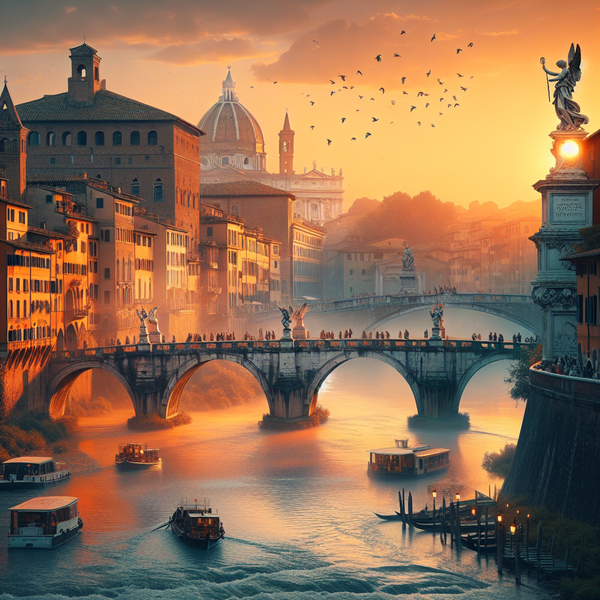
There’s something undeniably magical about Venice. The city’s narrow canals, arched bridges, and crumbling facades lend it a dreamlike charm unlike anywhere else in the world. But timing your visit can be crucial to experiencing this beauty without battling overwhelming tourist crowds or battling high tides. If you’re wondering when to visit Venice to make the most of your trip, avoid the floods, and truly savor the essence of La Serenissima, then you’re in the right place.
Go to the section
ToggleWhat to see
Piazza San Marco
Known as the “drawing room of Europe,” Piazza San Marco is Venice’s most iconic square. Home to St. Mark’s Basilica and the Campanile, this is where most visitors begin their journey. Visiting early in the morning or later in the evening, especially in shoulder seasons, allows you to enjoy this historic square without the usual throngs.
Grand Canal
The Grand Canal is the pulsating artery of Venice. A ride on a vaporetto along this bustling waterway offers views of elegant palaces, historic churches, and countless bridges. For fewer crowds, we recommend you take a vaporetto ride during non-peak hours such as early morning or just before sunset.
Doge’s Palace and the Bridge of Sighs
Located next to the Basilica, the Doge’s Palace is a masterpiece of Gothic architecture. Tours generally get booked quickly in the busy months, so visiting in late fall or early spring means shorter lines and more space to admire the rich interiors. Don’t miss walking through the Bridge of Sighs — a romantic yet melancholic experience.
Murano and Burano
These nearby islands are famous for glass-making and lace, respectively. Though often bustling during summer, you’ll find a more tranquil vibe in April or October. The colorful houses of Burano and the artisan shops of Murano are a welcome escape from the more tourist-heavy areas.
What to do
Enjoy a gondola ride
Arguably the most iconic Venice experience, a gondola ride is best enjoyed during the mild days of spring or early autumn when the canals are less congested. Crowds swell in summer, and prices can spike. Mornings or evenings offer more serene rides and picturesque lighting.
Attend local festivals
If you’re drawn to cultural events, shoulder seasons offer better value and fewer crowds. The Venice Biennale and Festa del Redentore in mid-July are wonderful events but come with high visitor numbers. For a quieter cultural fix, consider visiting in autumn for lesser-known art exhibitions and musical events that locals favor.
Wander through hidden alleys
One of the best ways to enjoy Venice is simply by walking. Spring and fall offer pleasant temperatures ideal for exploring the maze of narrow passageways, tiny bridges, and secret courtyards. The city feels far more intimate without the summer foot traffic.
Visit Venice’s lesser-known churches
Beyond the grandeur of the Basilica and Santa Maria della Salute, Venice has hidden treasures like San Zaccaria and Santa Maria dei Miracoli. These churches are quieter in off-peak months and offer sublime artwork, architecture, and peaceful moments of reflection.
Itineraries
Three-day classic itinerary
If you’re visiting for the first time, three days is a great starting point.
- Day 1: Explore San Marco, including the Basilica, Doge’s Palace, and the Campanile. End the day with a ride on the vaporetto along the Grand Canal.
- Day 2: Walk across the Rialto Bridge, visit the markets, and enjoy lunch in Cannaregio. Spend the afternoon exploring the art at the Peggy Guggenheim Collection.
- Day 3: Take a half-day trip to Murano and Burano. Return in time for aperitivo and dinner in Dorsoduro’s cozy bacari (wine bars).
Five-day relaxed itinerary
With a little more time, you can slow down and savor Venice at your own pace.
- Day 1–2: Follow the three-day itinerary but take longer breaks at cafés or explore quietly early in the day.
- Day 3: Discover hidden gems like the Jewish Ghetto and walk through Castello. Visit the Arsenale, and stop at the local Enoteca for wine tasting.
- Day 4: Visit Lido Beach if the weather is warm. Otherwise, take a day trip to the Brenta Riviera for villa tours along the canals.
- Day 5: Revisit your favorite spots, relax with a seated lunch, and enjoy shopping for artisan crafts before your departure.
Local cuisine
What to eat
Venice’s cuisine is a unique mix of land and sea, with influences from the East due to centuries of maritime trade.
- Sarde in saor: Sweet and sour marinated sardines, traditionally served as an appetizer.
- Risotto al nero di seppia: Squid ink risotto with a rich, briny flavor and striking color.
- Bigoli in salsa: Thick whole-wheat pasta served with anchovy and onion sauce.
- Fegato alla veneziana: Calf’s liver cooked with onions, a hearty dish paired beautifully with soft polenta.
What to drink
Venetians love their drinks, especially when accompanied by small bites.
- Spritz: Usually made with Aperol or Select, this refreshing cocktail is a must-try during aperitivo hour.
- Bellini: Invented at Harry’s Bar, this peach and prosecco blend is perfect for brunch or a relaxed afternoon by the canals.
Where to eat
To avoid tourist traps, venture beyond San Marco.
- Osteria Al Squero: A local favorite in Dorsoduro for cicchetti (Venetian tapas) and spritz.
- Trattoria Alla Madonna: Near the Rialto Market, it offers fresh seafood and authentic flavors.
- Al Timon: In Cannaregio, this is a lively spot loved by locals for its mix of traditional and modern dishes.
Budget tips
Travel during shoulder season
Late March to early May and mid-September to early November are ideal if you hope to avoid peak prices and crowds. Accommodations are more affordable, and the weather is generally pleasant for outdoor activities.
Use public transport
The vaporetto system is efficient and scenic. We recommend you purchase a multi-day travel pass to save money:
- 24-hour pass: Great for short stays
- 72-hour pass: Ideal if you’re spending a long weekend
- Venezia Unica City Pass: Includes transportation and discounted museum entries
Dine like a local
Avoid restaurants with large printed menus and photos. Instead, head to bacari for cicchetti and a spritz. Eating standing up at the counter saves extra charges. Markets like Rialto also offer fresh produce and snacks if you’d like to picnic by the canal.
Stay outside the center
Accommodations in Cannaregio, Giudecca, or even Mestre (on the mainland) are often more budget-friendly. Public transportation links are reliable, making it easy to reach the main attractions.
Free and low-cost attractions
Not everything in Venice has to break the bank. Many beautiful churches, walking tours, and museum passes offer excellent value. Don’t miss:
- Free church entry days
- Scuole Grandi with low-cost entrance
- Self-guided walking tours through historical neighborhoods
- Panoramic views from T Fondaco terrace near the Rialto — access is free, but booking is recommended
Transitioning into the perfect season
Planning your trip to Venice around weather and crowd conditions can make all the difference. Winter brings chilly but serene canals. Spring offers blooming gardens and pleasant temperatures. Summer guarantees sunshine, but also higher prices and fuller streets. Autumn wraps the city in a golden glow and lower tourist numbers. Whenever you choose to visit, aim for weekdays, avoid cruise arrival days, and ensure your accommodations are located safely above flood levels if you’re traveling between October and January.
By aligning your travel plans with these tips, you’ll experience not only Venice’s rich history and beauty but also its poetic quietude — the very soul of this remarkable city.