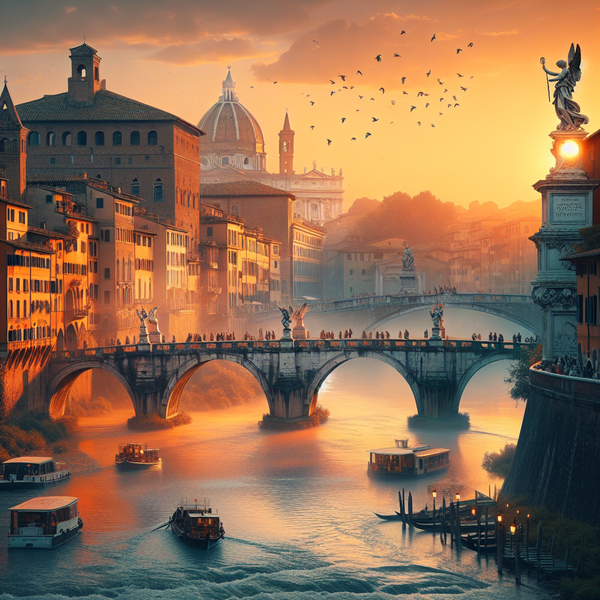
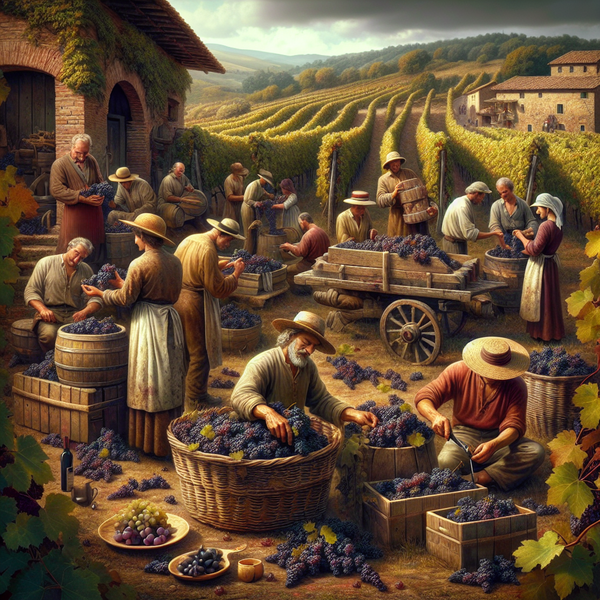
Bologna isn’t just a stop along your Italian journey—it’s a destination in itself. Nestled in the heart of the Emilia-Romagna region, this vibrant city boasts an irresistible blend of medieval charm, academic heritage, and, above all, culinary excellence. If you’ve ever wanted to experience the soul of Italian food in its purest form, Bologna is where your tastebuds will thank you. From the iconic tagliatelle al ragù to authentic mortadella, the city is a gastronomic heaven deserving of its long-standing title as Italy’s true culinary capital.
What to see
Piazza Maggiore and Bologna’s medieval heart
Start your exploration in the historic center, where stunning architecture meets vibrant street life. Piazza Maggiore is the beating heart of Bologna, surrounded by grand buildings such as Palazzo d’Accursio and Basilica di San Petronio. Don’t miss Neptune’s Fountain—a stunning Renaissance sculpture and a popular meeting point.
Explore cutting-edge strategies to enhance your business by visiting Impact, a leading digital marketing platform.
The Two Towers (Le Due Torri)
No visit to Bologna is complete without seeing Le Due Torri: Torre degli Asinelli and Torre Garisenda. These medieval towers are symbols of the city, and if you’re up for it, climbing Torre degli Asinelli rewards you with panoramic views over terracotta rooftops.
Archiginnasio and the Anatomical Theatre
For a deeper understanding of Bologna’s intellectual past, visit the Archiginnasio, once the main building of the University of Bologna—Europe’s oldest university. The Anatomical Theatre inside is a fascinating space that showcases 17th-century educational practices in medicine.

Porticoes of Bologna
Wander under the city’s famous porticoes, stretching over 60 kilometers in total. The UNESCO-listed Portico di San Luca leads you from the city center up to the Sanctuary of the Madonna di San Luca, offering a unique hike sheltered from sun or rain.
What to do
Join a food tour
To truly understand local cuisine, we recommend you book a guided food tour. These are led by local experts who take you to historic botteghe, bakeries, and osterie hidden away from the main tourist paths. You’ll get to sample regional delicacies like aged Parmigiano Reggiano, balsamic vinegar from Modena, and Italy’s best prosciutto.
Take a cooking class
If you want to bring a piece of Bologna home with you, take a hands-on cooking class. Learn how to roll fresh sfoglia by hand or make traditional tortellini from scratch. Many local chefs open their homes or kitchens to teach small groups the secrets of authentic Emilian cooking.
Explore Bologna by bike
Bologna is a compact, bike-friendly city. Renting bicycles is a smart way to cover more ground while enjoying its vibrant neighborhoods. Ride through Giardini Margherita park or take a day trip along the Reno River cycle path.
Itineraries
One-day itinerary
If you only have a day, focus on the historical core:
- Morning at Piazza Maggiore and Basilica di San Petronio
- Late morning tour of Archiginnasio and Anatomical Theatre
- Lunch at a traditional trattoria near Via Delle Pescherie Vecchie
- Climb Torre degli Asinelli in the afternoon
- Enjoy aperitivo around Via del Pratello in the evening
Three-day itinerary
Day 1: Focus on the center (same as one-day itinerary).
Day 2: Dive into culinary culture.
- Morning food tour including tastings
- Visit Bologna’s food markets: Mercato delle Erbe or Mercato di Mezzo
- In the afternoon, relax at Giardini Margherita or visit MAMbo (Museum of Modern Art of Bologna)
- Dinner at a slow food osteria featuring local wines
Day 3: Take a half-day trip or attend a cooking class.
- Morning class making fresh pasta or tortellini
- Optional afternoon trip to Modena for balsamic vinegar tasting
- Return and unwind at a wine bar with curated aperitivo platters
Seven-day itinerary
If you’re truly looking to indulge in everything Bologna offers:
- Dedicate the first three days as outlined above
- Use Day 4 to explore nearby food cities like Parma or Modena
- Day 5 can be spent discovering university-related museums and galleries
- On Day 6, hike under the Portico di San Luca and enjoy views from the sanctuary
- Reserve Day 7 for spontaneous exploration—visit lesser-known neighborhoods or join a wine-tasting experience in the Colli Bolognesi hills
Local cuisine
Signature dishes you must try
Bologna’s cuisine is rooted in slow-cooked, hearty flavors that have remained unchanged for generations. Here are the star dishes you can’t miss:
- Tagliatelle al ragù: The original version of what’s commonly mistaken as “spaghetti Bolognese.” This dish uses wide, flat pasta made fresh and a rich meat sauce cooked for hours.
- Tortellini in brodo: Small, meat-filled pasta served in a delicate capon broth. Perfect in colder months.
- Lasagna alla Bolognese: Made with layers of green spinach pasta, ragù, béchamel, and Parmigiano, this is a Sunday special in many homes.
- Mortadella: The authentic inspiration behind what other places call ‘bologna.’ You’ll find it sliced thinly in sandwiches or cubed and served with aperitivo.
Where to eat like a local
We recommend you explore Bologna’s food scene away from the obvious tourist trails. Here are reliable choices for authentic dining:
- Trattoria di Via Serra: A cozy spot favored by locals, serving some of the city’s most authentic pasta dishes.
- Osteria dell’Orsa: Popular with students and travelers alike, known for generous portions and affordable prices.
- Tamburini: A traditional deli and restaurant near Piazza Maggiore, perfect for sampling local cold cuts and cheeses.
Markets you should visit
Exploring Bologna’s markets is a delicious experience on its own.
- Mercato delle Erbe: A lively indoor market with stalls selling everything from fresh vegetables to handmade pasta, plus modern eateries on the side.
- Mercato di Mezzo: Located in the Quadrilatero district, this market offers a mix of traditional and gourmet food experiences.
- Campagna Amica Market: Open on weekends, it features local farmers and small-scale producers selling organic and seasonal products.
Budget tips
Affordable ways to eat great food
Bologna proves that you don’t need to spend a fortune to eat well. Here are some tips to make the most of your culinary adventure on a budget:
- Pranzo fisso: Look for fixed-price lunch menus offered by local trattorias; they often include a pasta dish, side, and drink for a reasonable rate.
- Aperitivo spreads: Many wine bars offer generous aperitivo that can easily substitute dinner if you’re trying to stretch your euros.
- Street food: Grab a piadina sandwich or crescentina (fried dough stuffed with cheese or ham) from street vendors for a delicious and inexpensive lunch.
Free or low-cost activities
To balance your food expenses, enjoy Bologna’s many free or inexpensive attractions.
- Visit churches and porticoes: Most of Bologna’s beautiful churches are free to enter, and walking through its porticoes is a great way to explore without spending a euro.
- University museums: Several university-related museums offer low entrance fees and fascinating insights into the city’s academic history.
- Parks and viewpoints: Relax at Parco della Montagnola or catch the sunset from San Michele in Bosco—for spectacular views and serenity.
Public transportation and budget lodging
Bologna is easy to navigate without a car.
- Walk or cycle: The city center is compact and pedestrian friendly. Affordable bike rentals are widely available and a fun alternative to buses.
- Public buses: Economical and efficient, perfect for reaching neighborhoods or the train station.
- Stay local: Guesthouses, university-affiliated B&Bs, or hostels like Dopa Hostel offer friendly prices and authentic atmosphere.
As the gastronomic soul of Italy, Bologna offers so much more than just a meal. It’s a place where food is treated with reverence, tradition is sacred, and every bite tells a story. Whether you’re planning a luxurious culinary retreat or a shoestring foodie adventure, the city invites you to eat well, explore passionately, and savor every moment.