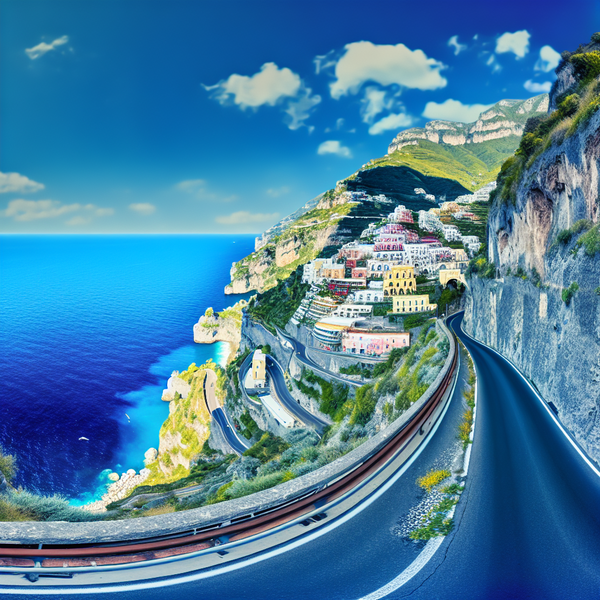
Winding precariously along cliffside villages and sheer drops into the shimmering Tyrrhenian Sea, the Amalfi Coast promises both breathtaking beauty and pulse-raising adventure. But for many travelers, the allure of cruising this iconic coastal road is often tempered by tales of hairpin turns, narrow streets, and relentless summer traffic. So, is driving the Amalfi Coast really worth the stress? The answer depends on what kind of traveler you are—but one thing is certain: with the right preparation, this unforgettable stretch of southern Italy can offer an incredibly rewarding experience.
Go to the section
ToggleWhat to see
Positano
A pastel-painted cliffside village cascading to the sea, Positano is one of the most iconic views along the Amalfi Coast. The town is home to romantic streets, artisan boutiques, and the famous Church of Santa Maria Assunta. From the main road, you can park in designated lots and take a short walk downhill to the beach. Be prepared for steps—lots of them.
Amalfi
The namesake town of the coast, Amalfi boasts a rich maritime history and a magnificent cathedral rising from the main square. You’ll want to visit the Duomo di Sant’Andrea and stroll through the charming alleys filled with gelaterias, limoncello shops, and cafés. Amalfi also acts as a central hub for ferry routes if you decide to take a break from driving.
Ravello
Perched high above the coastline, Ravello offers a quieter and more cultured retreat. Here, you can visit the gardens of Villa Cimbrone and Villa Rufolo, both offering stunning panoramic terraces. Ravello is less trafficked and provides a welcome respite from the busy coastal drives.
Praiano and Furore
Often overshadowed by more famous neighbors, these smaller villages offer authentic slices of the Amalfi lifestyle. Furore is home to a picturesque fjord and beach inlet that’s perfect for a photo stop or a quick swim. Praiano is a tranquil spot for sunset views and traditional coastal living.
What to do
Scenic drives and photo stops
Driving the Amalfi Coast means you’re in control of your own schedule—something quite rare on Italian public transport. The SS163, also known as the Amalfitana, is your main road and it offers jaw-dropping views at nearly every turn. Set aside time for spontaneous photo ops; there are several marked belvederes along the way.
Boat excursions
In the towns of Amalfi, Positano, and Maiori, you can hop on a boat tour for a different perspective of the coast. Half-day and full-day cruises are available, whether you’re exploring the sea caves around Capri or just soaking up the sun along the coast. This is a great way to escape the road traffic and enjoy the coast from the water.
Local artisan shopping
Each town on the Amalfi Coast offers something unique—from ceramics in Vietri sul Mare to handmade sandals in Positano. Taking the car means you’ll have more space to carry your finds, but make sure they’re well packed if you’re moving from town to town.
Hiking trails
The famed Path of the Gods (Sentiero degli Dei) is a must for nature lovers. Starting in Bomerano, near Agerola, this trail provides sweeping views and connects to Nocelle, above Positano. You can park near the trailhead and coordinate local buses or car pickups to return.
Itineraries
One-day itinerary
If you only have a day and are self-driving, we recommend:
- Start early in Vietri sul Mare to avoid traffic.
- Head to Amalfi for a coffee and a visit to the cathedral.
- Drive up to Ravello for lunch with a view.
- Finish in Positano for afternoon beach time and dinner.
Keep in mind that parking is limited and often expensive, so factor in extra time for finding spots.
Three-day itinerary
If you’re staying longer, try this scenic loop:
- Day 1: Explore the towns of Maiori and Minori, where it’s easier to park and access the beaches. Continue to Amalfi for dinner.
- Day 2: Visit Ravello in the morning. In the afternoon, drive to Praiano and stop at hidden beaches along the way.
- Day 3: Spend the day in Positano. Park at the top of town and walk down. Return via the coastal road or take a ferry back to your base if you’re tired of driving.
Alternative itinerary without backtracking
To reduce stress and avoid redundant driving, consider this route:
- Start from Salerno and head west along the coast.
- End in Sorrento, then drop your rental car or continue to Naples by train or plane.
This one-way itinerary allows you to enjoy the entire stretch of coastline without reversing your route.
Local cuisine
Lemon everything
The Amalfi Coast is famous for its sweet, fragrant lemons. You’ll see them everywhere—in desserts, drinks, and sauces. Don’t miss:
- Limoncello: The iconic regional digestivo, served chilled.
- Delizia al limone: A sponge cake dessert filled with lemon cream.
- Insalata di limone: A refreshing lemon-based salad often served with seafood.
Seafood specialties
Being on the coast, expect daily catches served with regional flair:
- Spaghetti alle vongole: Pasta with clams in a white wine and garlic sauce.
- Frittura di paranza: A mixed fry of small local fish.
- Totani e patate: Local squid paired with potatoes, especially popular in Praiano.
Where to eat
Avoid roadside eateries with inflated tourist prices. Instead, seek out trattorie hidden in alleyways or perched above town for the best value and most authentic flavors. Ristorante Da Gemma in Amalfi and Il Ritrovo in Positano are both excellent options with stunning views.
Budget tips
Driving vs. public transport
Renting a car gives flexibility but adds cost. Parking can range from €3 to €10 per hour, and daily rentals vary widely by season. To save money:
- Travel in the shoulder seasons (April-May or September-October).
- Split rental costs by traveling in a group.
- Use car parks outside major towns and walk or bus in.
If you prefer not to drive, public buses and ferries are viable options with less stress. Just be aware that buses fill up quickly in peak season.
Where to stay
Accommodation prices on the Amalfi Coast can be steep. To cut costs:
- Stay in nearby towns like Agerola, Vietri sul Mare, or Sant’Agata sui Due Golfi.
- Consider agriturismi (farm stays) for a more authentic and economical experience.
- Book well in advance, especially during high season.
Fuel and tolls
There are no highway tolls along the Amalfi Coast route itself, but you’ll likely pay tolls on your way there via A3 or other national highways. Gas prices in Italy are high, so choose a small and fuel-efficient vehicle.
Parking tips
Parking is one of the biggest challenges for drivers. Here’s how to keep it manageable:
- Use garage-style parking when available—it’s more secure and usually priced by the hour.
- Avoid illegal parking, even for a few minutes—fines are hefty and common.
- Look for parking apps like EasyPark to find availability in real time.
Conclusion: is it worth the stress?
Driving the Amalfi Coast is certainly not for the faint of heart, but it provides a unique and immersive way to experience the region. From panoramic pull-offs and hidden beaches to charming inland detours, having a car at your disposal offers unmatched flexibility. That said, the winding roads, limited parking, and summer congestion do present real challenges.
If you’re up for the adventure and take time to plan your routes, driving can be an unforgettable part of your Amalfi Coast experience. For those who’d prefer a more relaxing journey, a combination of buses, ferries, and walking may be the better way to go. Either way, the region rewards every visitor with unforgettable vistas, rich local cuisine, and moments of pure Mediterranean magic.