Florence rewards those who linger beyond the postcard views. While first-time visitors stop at the Uffizi or Duomo, locals know an entirely different rhythm—quiet cloisters humming with cicadas, neighborhood cafés where cappuccinos still cost one euro, and artisan workshops where centuries-old crafts survive. If you’ve already checked off the hall-of-fame sights and want to uncover the city’s subtler layers, here’s how to find them—slowly, on foot, and with open curiosity.
Go to the section
ToggleHidden Crafts and Workshops in the Oltrarno District
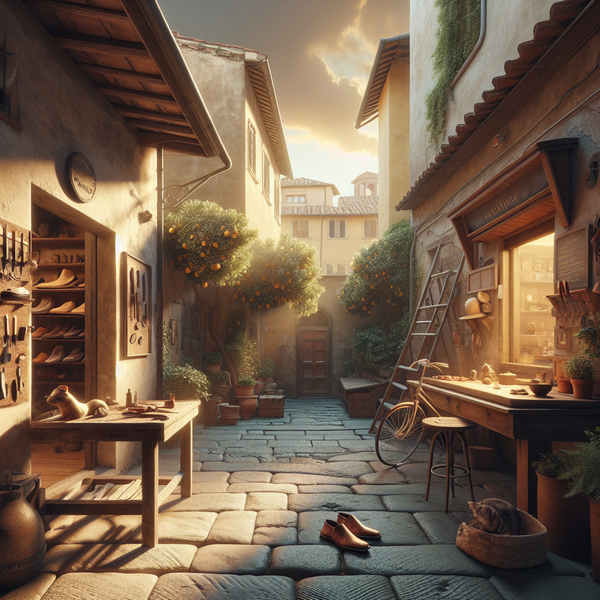
Across the Arno River from Piazza della Signoria lies the Oltrarno, Florence’s craft heart. In the narrow lanes between Via Romana and Via Santo Spirito, you’ll find master artisans still practicing traditional trades that date back to the Renaissance. On Via San Niccolò 79/r, stop by a family-run mosaic studio creating commesso fiorentino—the intricate inlay technique once prized by the Medici. Visitors are welcome to observe a demonstration if they call ahead a day in advance.
Near Piazza della Passera, the Molino lab shapes leather bags entirely by hand using vegetable-tanned hides from nearby Tuscany. Their small sign is easy to miss, and that’s part of the charm. Browse quietly, and you’ll see their benches scattered with patterns drawn on recycled paper grocery bags. Each piece carries a distinct patina and none are exported—you can only buy them here.
Secret Gardens and Silent Sanctuaries Few Visitors Reach
Florence’s gardens are as storied as its palaces, yet many go unnoticed. Skip the crowded Boboli and climb a few steep turns past Porta Romana to reach the Giardino Torrigiani. It’s privately owned—the largest private garden within city walls in Europe—but on certain mornings, guided tours can be arranged through Associazione Dimore Storiche Italiane. You’ll admire manicured lawns and a neoclassical tower peeking between cypress trees, all within steps of a residential quarter.
For an unplanned pause, follow Via Ghibellina to Piazza Sant’Ambrogio. Behind a heavy wooden door at number 55 lies the tranquil Chiostro dello Scalzo, adorned with Andrea del Sarto’s grisaille frescoes. You’ll often find yourself alone here, the quiet echo of footsteps replacing the chatter of selfie sticks. No entrance fee, no lines—just art meant to be contemplated in peace.
Culinary Hideaways Beyond the Tourist Menus
Finding authentic food in Florence isn’t difficult, but avoiding laminated menus can be. Wander to Trattoria Sabatino on Via Pisana, a time capsule from the 1950s where the daily fixed-price lunch still includes a carafe of house wine. Locals line up from 1 p.m., so arrive early if you want to claim a table beside the tiled wall covered in vintage calendars.
For a late afternoon pick-me-up, bypass the crowded gelaterie near the Ponte Vecchio and head instead to Il Gelato di Filo on Via S. Miniato al Monte. Their pistachio gelato doesn’t glow unnaturally green—it’s made from Sicilian nuts and churned fresh each morning. Pair it with a short walk up to Piazzale Michelangelo or continue higher to the Rose Garden, where sculptor Jean-Michel Folon’s whimsical bronze figures hide among the blooms.
Find all the best hotel deals Book conveniently on Booking.com
Alternative Art Spaces and Museums Without the Crowds
If you crave something quieter than the Uffizi, Florence hides remarkable collections in plain sight. The Museum of San Marco near Piazza Santissima Annunziata houses Fra Angelico’s luminous frescoes inside the monks’ original cells—each a meditation on solitude. Arrive at opening time, and you might share the corridor with just the custodian sweeping marble dust from the floor.
Another overlooked gem is the Stibbert Museum on Via Federico Stibbert 26. It’s a labyrinth of armor, daggers, and mounted knights amassed by an eccentric Anglo-Italian collector. The guided visit culminates in a grand parade hall arranged with over one hundred costumed figures—an eccentric glimpse into the Victorian imagination filtered through Florentine artistry. Bus line 4 drops you right at the entrance gate, a practical alternative to the pricey taxis.
Discover the best local experiences Explore hidden Florence tours
Neighborhood Markets and Everyday Florence
Most tourists flock to the Central Market, but locals buy their produce at smaller, rhythm-of-life markets scattered through town. The Mercato di Sant’Ambrogio east of the Duomo opens early and closes after lunch. Here you’ll find nonnas selecting seasonal artichokes and butchers debating soccer under the iron rafters. Try lampredotto—Florence’s signature tripe sandwich—at the stall of “Pollini,” still serving from a copper pot at the side door.
Another favorite is the Mercato delle Cascine, held every Tuesday morning along the Arno’s parkway. Stretching nearly a kilometer, it’s more flea market than gourmet stop, offering everything from Tuscan cheeses to vintage espresso cups. When you finish browsing, join locals for espresso at Bar Sanremo (Viale degli Olmi 10), where regulars call the barista by name and the pastries cost under two euros.
Peaceful Walks and Unexpected Panoramas
Beyond the crowded Piazzale Michelangelo lies one of Florence’s most rewarding short hikes. Follow the Via di San Leonardo toward Arcetri. This cobbled lane, lined with olive trees and walls laced with ivy, has changed little since Boccaccio’s time. Midway, you’ll pass Galileo’s house, now a museum open by appointment, and you’ll begin to glimpse the terracotta roofs folding into the valley below.
For another quiet view, cross into the residential Bellosguardo Hill. The walk begins from Porta Romana and winds past elegant 19th-century villas. At the top, pause near Villa dell’Ombrellino—the vantage loved by poets like Henry James. Few tourists make it here, so you’ll likely share the horizon only with church bells echoing from across the valley.
Nighttime Florence Without the Noise
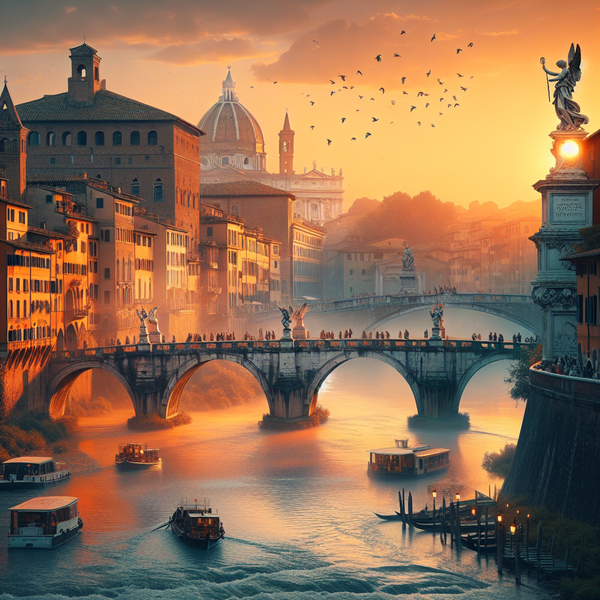
After dusk, the historic core empties of day-trippers, revealing a city that feels almost intimate. One gentle ritual is to wander the Arno quays west of Ponte Amerigo Vespucci, where locals gather at kiosks for a spritz or chilled white wine. The reflections of the lamps shimmer quietly on the river, and you can spot fishermen casting lines into the dark water—a reminder that Florence still belongs to its residents after the crowds vanish.
Another favorite evening hideaway is the Chiostro delle Oblate on Via dell’Oriuolo. Its rooftop café offers a postcard-worthy view of the Duomo—without the crush of selfie sticks below. Open until midnight during summer, it’s where students and off-duty museum staff read or chat softly under citronella lamps. Order a Negroni and let the church bells mark time; the quiet hum of conversation is pure Florence at ease.
Practical Tips for Exploring Florence’s Hidden Gems
To really engage with these lesser-known corners, plan your days around Florence’s natural rhythm. Most small shops close between 1:00 and 3:30 p.m., so use that time for a slow lunch or a riverside walk. Comfortable shoes are non-negotiable—the city’s charm hides in its uneven cobblestones. For public transport, the ATAF bus network sells tickets at tobacco shops marked with a blue ‘T’; validate them as you board to avoid fines.
If you’re mapping your own itinerary, cluster experiences by neighborhood. Spend a full day south of the river for the Oltrarno crafts and the Rose Garden, another day northeast for San Marco and the markets, and reserve one evening simply to wander without a map. Florence rewards those who let go of plans and follow curiosity.
In the end, the hidden Florence isn’t hidden at all—it just asks for slower eyes. Behind every worn doorframe or unassuming courtyard lies a layer of history, waiting quietly for those who listen as well as look.