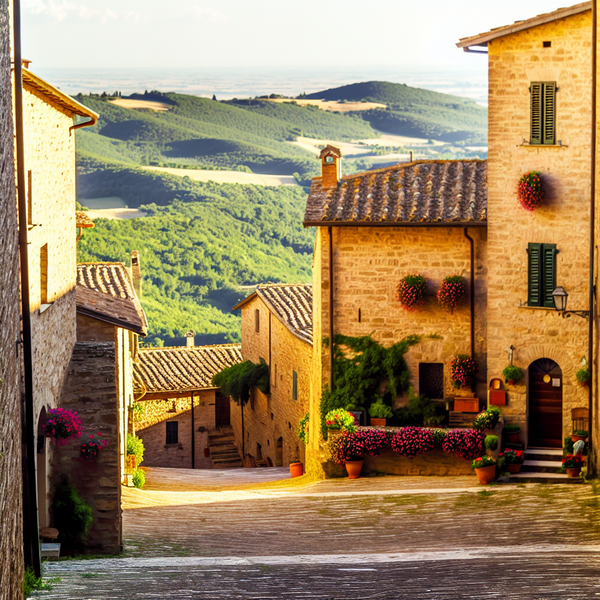
Tucked away among the rolling hills and silvery olive groves of central Italy, Umbria is a treasure trove of quietly beautiful villages that few tourists ever discover. While neighboring Tuscany draws the crowds, Umbria offers something just as special—enchanting villages suspended in time, full of charm, authenticity, and unspoiled traditions. If you’re seeking a more peaceful, genuine slice of Italian life, away from the worn tourist path, the lesser-known villages of Umbria are ready to welcome you with their cobblestone streets, flower-filled balconies, and timeless rhythm of life.
Go to the section
ToggleWhat to see
Montone: A medieval jewel in the hills
Montone is a perfectly preserved medieval village perched on a hill, encircled by stone walls and crowned with an ancient fortress. As you enter through its historic gates, you’re immediately enveloped by an atmosphere that feels centuries away from modern life. Stroll through the main square, Piazza Fortebraccio, and visit the Church of San Francesco, where restored frescoes transport you to the Renaissance.
- Don’t miss the panoramic terrace at the Rocca di Braccio for sweeping views of the Upper Tiber Valley.
- Wednesday mornings host a small local market, ideal for people-watching and sampling regional produce.
Lugnano in Teverina: Quiet harmony overlooking the Tiber
Lugnano in Teverina charms visitors with its harmonious stone architecture and terraced views of the Tiber Valley. Often overshadowed by nearby Amelia, this village features the 12th-century Collegiate Church of Santa Maria Assunta, an architectural gem that blends Romanesque and Gothic styles.
- Visit the Antiquarium, a tiny yet fascinating museum preserving Roman-era artifacts from local tombs.
- Walk the Sentiero Amerino trail to experience a scenic route through Umbrian forest and countryside.
Panicale: Serenity with a Lake Trasimeno view
Panicale, perched on the southwestern crest of Umbria, is a tranquil hilltop village offering broad vistas of Lake Trasimeno. Its layered stone streets unfold like a natural amphitheater, guiding you to secret courtyards and verdant gardens.
- Step inside the Church of San Sebastiano to admire Pietro Perugino’s dramatic fresco of the Martyrdom of Saint Sebastian.
- Make sure to find Via del Teatro—a picturesque lane perfect for photography and daydreaming alike.
Monteleone di Spoleto: Alpine charm meets Roman legacy
Nestled in the Valnerina valley near the Apennine foothills, Monteleone di Spoleto surprises visitors with its mix of mountain atmosphere and classical heritage. The village gained fame for the discovery of an Etruscan chariot, now preserved in New York, yet its serene streets and surrounding alpine trails offer plenty for a peaceful retreat.
- Snap a photo at Porta Spoletina, the ancient gate framing views toward Monte Terminillo.
- Visit the Church of San Nicola, home to remarkable 14th-century frescoes.
What to do
Hike through hidden nature reserves
Several of these villages are located near natural parks and lesser-known trails. The Monte Subasio and Monte Peglia areas offer easy hikes with incredible panoramic views, without the foot traffic of larger destinations.
- Follow the ring trail around Monte Peglia for wildlife sightings and ancient ruins.
- Walk from Montone to Pietralunga along wooded medieval paths used by pilgrims.
Explore artisan workshops
In Panicale and Lugnano in Teverina, small artisan studios specialize in traditional Umbrian crafts such as hand-woven textiles, terracotta, and wood carving. Many of these artisans are happy to show you their process.
- Look for studios with a hanging hand symbol—this indicates traditional crafts are made on site.
- Ask about custom orders—many will happily create small items to your design.
Participate in local festivals
Even the tiniest communities in Umbria maintain lively annual festivals—unpublicized, community-focused, and full of local flavor. Visiting during one of these celebrations is an unforgettable experience.
- In Montone, the Donazione della Santa Spina recounts a medieval legend with costumed processions and music.
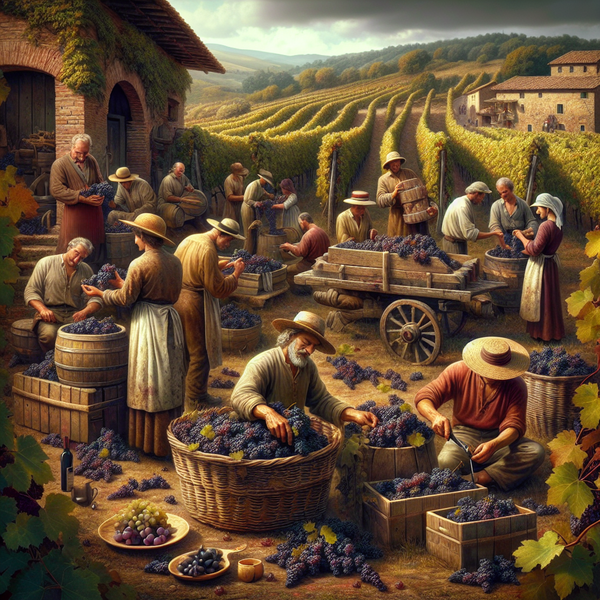
- Panicale hosts a grape harvest festival with food stands, folk dancing, and local wine tastings.
Itineraries
Three-day scenic loop from Perugia
Starting and ending in Perugia, this loop brings you to several overlooked Umbrian gems in less than an hour’s drive between each.
- Day 1: Drive to Panicale. Enjoy lunch with a lake view and explore its churches.
- Day 2: Continue to Montone via Città della Pieve. Overnight in a restored farmhouse nearby.
- Day 3: Head northeast to Monteleone di Spoleto before circling back through Norcia and Spello.
One-week slow travel itinerary
If you have more time and want to fully immerse yourself in the local rhythm, this relaxed itinerary allows you to savor village life.
- Days 1–2: Stay in Lugnano in Teverina. Walk the Amerino trail and visit nearby Alviano Nature Reserve.
- Days 3–5: Move on to Panicale. Indulge in lakeside views, gelato, and quiet strolls.
- Days 6–7: Discover Montone and its surroundings. End with a wine tasting in a nearby agriturismo.
Local cuisine
Rustic flavors and seasonal specialties
Umbria’s lesser-known villages offer authentic culinary delights focused on simplicity and quality. Expect farm-to-table freshness, wild herbs, and recipes passed down through generations.
- Torta al testo: A flatbread traditionally stuffed with sausage or local greens, often found in local bakeries.
- Strangozzi: Handmade pasta typical of the region, usually served with wild mushrooms or truffle-based sauces.
- Lentils of Castelluccio: Especially common in Monteleone di Spoleto, often featured in warming stews.
Where to eat
You won’t find flashy restaurants in these villages, but you will find genuine osterias and family-run trattorias where meals come straight from the kitchen garden.
- In Montone, try Tipico Osteria dei Sensi for rustic plates and a beautiful terrace view.
- Panicale’s Il Galletto di Panicale pairs homemade pastas with excellent Umbrian wines.
- In Lugnano in Teverina, Ristorante La Loggia features local meats slow-cooked over firewood.
Budget tips
Travel smart without compromising the experience
Exploring hidden Umbrian villages can be surprisingly kind to your wallet, especially compared to some of Italy’s more famous destinations.
- Accommodation: Look for agriturismi and village B&Bs that often include generous breakfasts and local tips.
- Transportation: Renting a small car is the easiest way to explore multiple villages, and distances are short enough to keep fuel costs low.
- Dining: Choose the menu del giorno (daily special menu) at lunch, often offering three courses for under €20.
- Free activities: Walking tours, open churches, local festivals, and scenic hiking trails offer memorable experiences without the price tag.
Shopping and souvenirs
Local crafts make for affordable and meaningful souvenirs. Textiles, hand-painted ceramics, olive oil, and dried lentils are lightweight and easy to carry home.
- Look for weekly markets in the main piazza for fresh produce and handmade goods.
- Support small shops run by local families—prices are fair, and the quality is excellent.
Conclusion
Diving into Umbria’s less-explored villages is like opening a door into Italy’s timeless soul. These quiet hilltop towns may not boast the glossy fame of more touristed areas, but they reward you with authenticity, hospitality, and stunning natural beauty. Here, life unfolds slowly, meals are savored, and the rhythm of the past still hums through stone walls and sunlit alleys. Whether you’re hiking through oak forests, admiring Renaissance frescoes, or sharing a carafe of local wine with curious villagers, you’ll find that the heart of Umbria beats strongest far from the crowds.
These hidden gems are waiting—for you to wander, wonder, and perhaps even stay a little longer than you planned.