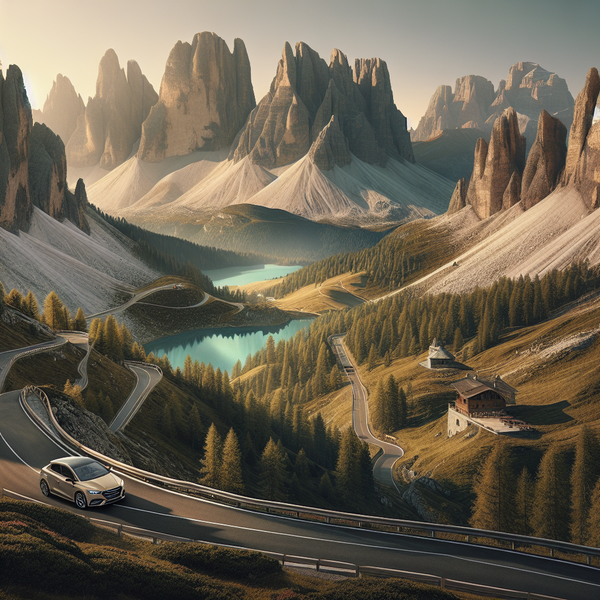
Nestled in the northern reaches of Italy, the Dolomites rise like jagged stone cathedrals, offering some of the most breathtaking natural landscapes in Europe. Whether you’re a seasoned hiker seeking multi-day treks or a casual walker hoping for a gentle stroll with stunning alpine vistas, this UNESCO World Heritage site caters to all levels of fitness and adventure. With over 350 hiking trails, a warm alpine welcome, and a rich blend of cultures, hiking in the Dolomites is less a vacation and more a transformative experience. From turquoise lakes to panoramic mountain passes, here’s how you can tailor your Dolomite hiking journey to fit your pace, budget, and passion.
Go to the section
ToggleWhat to see
Iconic mountain peaks
One of the major appeals of hiking in the Dolomites is the dramatic landscape. You’ll find jagged limestone peaks that seem to tear through the skies.
- Tre Cime di Lavaredo: Perhaps the most photographed set of peaks in the region, these three soaring monoliths offer numerous hiking trails around their base with rewarding views.
- Rosengarten Mountains: Known for their golden-pink glow during sunset—known as the Enrosadira—these peaks mesmerize with every changing light.
- Seceda Ridge: The steep, grassy slopes of this ridge are accessible via cable car and offer a panorama that feels otherworldly.
Glacial lakes and alpine meadows
Lakes in the Dolomites add a serene counterbalance to the rugged terrain. Hiking routes take you around crystal-clear waters, fertile plains, and wildflower-filled meadows.
- Lago di Braies: The famous emerald lake surrounded by steep cliffs and pine forests. Take the flat 4km circular trail around the water; it’s perfect for families and beginners.
- Alpe di Siusi: Europe’s largest alpine plateau presents gentle meadows with sweeping vistas, very suitable for low-impact hikes.
- Lago di Sorapiss: For more adventurous hikers, this lake requires a medium-level trek but rewards you with turquoise waters that appear almost Caribbean.
What to do
Choose your trail difficulty
The Dolomites make hiking inclusive for everyone, regardless of age or fitness level. Trails are generally well-marked and categorized.
- Easy walks: Suitable for families, these mostly flat or slightly inclined routes meander through meadows or circle crater lakes.
- Moderate hikes: Ideal for regular walkers. These may include some elevation gain but are not technically challenging.
- Difficult trails: Recommended for experienced hikers, these involve significant elevation changes, rocky paths, and possibly via ferrata segments.
Try a via ferrata
Literally translating to “iron path,” a via ferrata is a protected climbing route. You’ll be clipped to a cable system while scaling vertical rock faces—combining hiking with an adrenaline rush.
- Beginner-level: Gran Cir (Val Gardena) offers a short and scenic introduction.
- Intermediate: Tridentina Via Ferrata is an unforgettable route with sweeping panoramic views.
Photograph alpine scenery
This region is a photographer’s dream. The play of light at sunrise and sunset is magical. Consider waking up early for golden-hour shots or staying out a bit longer in the evening.
Relax at mountain huts
Known as rifugi, these rest stops offer not only shelter and food but also a hearty taste of mountain hospitality. They’re ideal for taking a break or even planning an overnight stay mid-hike.
Itineraries
For beginners: 3-day base in Alpe di Siusi
Settle into the village of Siusi or Castelrotto and take short hikes from there. Enjoy walking through endless meadows with views of the Sciliar massif.
- Day 1: Try the easy loop trail to Bullaccia, known for its panoramic benches.
- Day 2: Stroll around Lago di Fiè followed by a wellness session in the local spa.
- Day 3: Take the cable car up to Compaccio for light circular walks on the plateau.
For intermediate hikers: 5-day loop in Val Gardena
Base yourselves in Ortisei or Selva di Val Gardena for access to the most picturesque mid-level hikes.
- Day 1: Ride up to Seceda and descend via the Pieralongia huts (moderate trail).
- Day 2: Hike from Col Raiser to Rifugio Firenze and back.
- Day 3: Explore Vallunga Valley—an easy walk with optional extensions.
- Day 4: Try the Cir Peaks via ferrata or do a longer trek to Dantercepies.
- Day 5: Relax or revisit your favorite trail for a second round.
For advanced trekkers: 7-day hut-to-hut adventure
Use the Alta Via routes—long-distance trails that slice through the heart of the Dolomites—for a truly immersive experience.
- Alta Via 1: Known as the “classic” route with moderate technical difficulty but long hiking days. Expect daily distances of 10–15 km with elevation gains up to 1,000 meters.
- Accommodation: Book rifugi well in advance, especially in peak months. Bring a lightweight sleeping bag liner and enjoy half-board meals included in most huts.
Local cuisine
Hearty and diverse flavors
The Dolomites’ culinary scene blends Italian flair with Austrian and Ladin traditions. After a long hike, reward yourselves with bold and comforting dishes.
- Speck: Local smoked ham served thinly sliced. Often shared with cheese and rye bread.
- Canederli: Dumplings made with bread and bacon, sometimes floating in broth or served with melted butter.
- Polenta: A cornmeal classic served with cheese or mushroom sauces.
- Apfelstrudel: A must-try dessert, highlighting the region’s apple orchards and Austrian influence.
Best places to eat
Mountaintop rifugi are surprisingly gourmet. Many cook with locally-sourced ingredients, elevating even simple dishes.
- Rifugio Alpe di Tires: Offers dishes like barley soup and apple cake at 2,440 meters, with views to match.
- Rifugio Fanes: Known for its cozy atmosphere and Ladin-inspired meals.
- Rifugio Lagazuoi: At 2,752 meters, watch the sunset while dining on South Tyrolean cuisine.
Budget tips
Travel and transportation
While the Dolomites aren’t Europe’s cheapest destination, there are smart ways to stretch your euros.
- Use public transport: Buses and local trains connect most towns with trailheads. Consider the Mobilcard for unlimited rides in South Tyrol.
- Coordinate with cable cars: In summer, many hiking routes rely on lifts. Opt for a multi-day pass to save money on repeated rides.
Accommodation tips
Staying in rifugi can be cheaper than hotels and more rewarding.
- Advanced booking: Rifugi spots fill quickly—reserve at least a few weeks ahead.
- Half-board: Most mountain huts offer meals and a bed for one package price, providing both convenience and savings.
Food on the go
Restaurants at high altitudes can be pricey. Save with smart shopping.
- Pack picnics: Visit local grocers and pack your lunches—cheese, fruit, and fresh bread go a long way.
- Drink the water: Alpine spring water is clean and fresh, reducing the need to buy bottled drinks along the trail.
Gear to rent vs. buy
You don’t need to invest in everything if you’re hiking just for a week.
- Rent hiking poles and helmets: Local outfitters allow short-term equipment rentals for trails and via ferratas.
- Borrow maps: Most hotels and information centers offer trail maps or digital navigation assistance.
Final thoughts
Whether you’re tiptoeing along flower-lined paths or conquering steep climbs with views that stretch across the Alps, hiking in the Dolomites is as varied as it is inspiring. With the right preparation and a flexible approach, you’ll find trails that align with your goals and energy level. Add in hearty cuisine, affordable accommodations, and authentic encounters, and you’ll discover there’s no more rewarding way to explore Northern Italy’s majestic mountain heartland. Prepare your boots and your appetite—because in the Dolomites, every step is worth the journey.