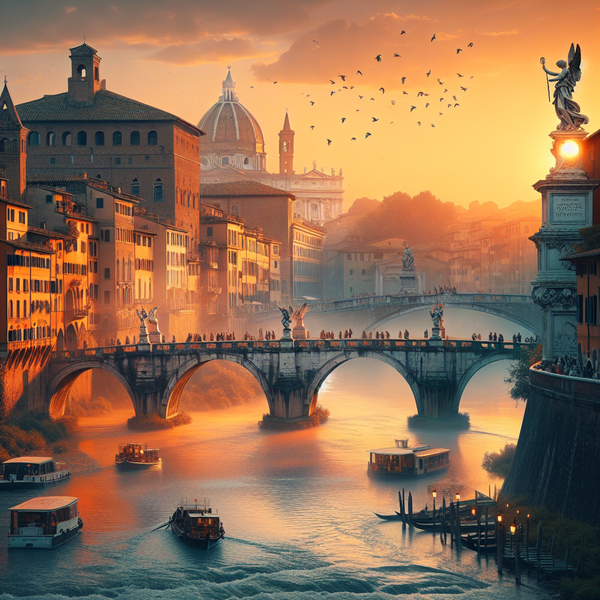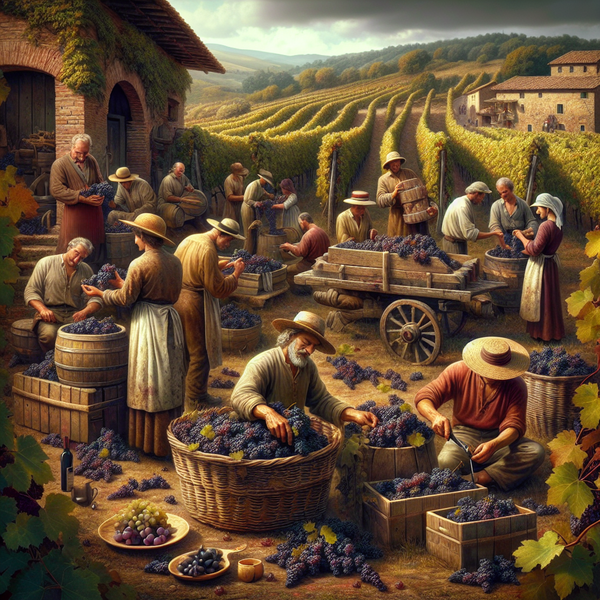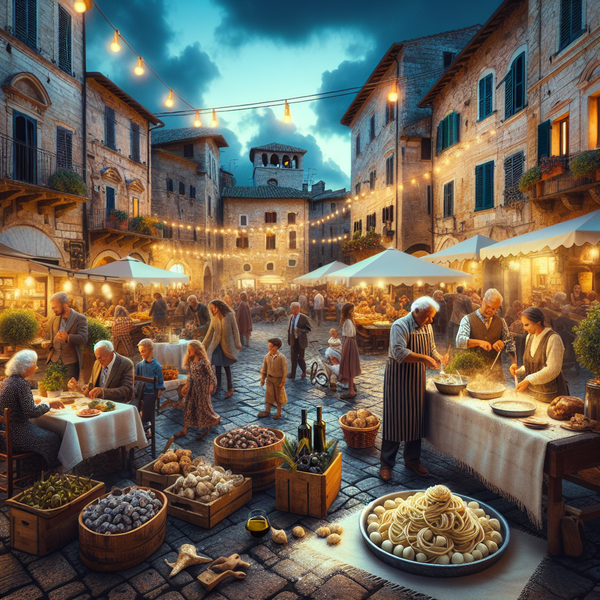
Every Italian village has its moment when the streets fill with the aromas of simmering ragù, roasting chestnuts, or frying zeppole. To experience Italy’s best food festivals is to trace the country’s culinary soul through its seasons. These aren’t marketing inventions — they’re century-old traditions tied to harvests, saints, and family. With careful timing, you can savor these local flavors where they originate, from truffle forests in Piedmont to lemon groves on the Amalfi Coast.
Go to the section
ToggleHow to Plan Your Journey Around Italy’s Seasonal Food Festivals
Italy’s food calendar moves with nature. Truffles and chestnuts dominate the autumn months, while spring brings artichokes and broad beans. The easiest way to plan is to match your travel route to the harvest calendar. For example, if you’re visiting in October, the Alba International White Truffle Fair in Piedmont becomes the anchor. In contrast, May in Lazio offers the Sagra del Carciofo in Ladispoli, a 40-minute train ride from Rome.
Transportation plays a huge role. Many sagre (village festivals) take place in small towns with limited public transit. Renting a small car — ideally a hybrid or compact model — makes it easy to reach places like Norcia’s black truffle fair or San Miniato’s white truffle weekend. If you prefer to go car-free, check Trenitalia’s regional schedules; some festival committees run shuttle buses from main stations during event weekends.
Unmissable Autumn Food Festivals in Northern Italy
Autumn is Italy’s most flavor-rich season. In Piedmont, the Alba International White Truffle Fair is the marquee event. Held over several weekends in October and November, it includes not just truffle markets but cooking shows, wine tastings, and specialized stalls selling hazelnut spreads from nearby Langhe. Buy your tasting tickets in advance online to avoid the Saturday rush.
Further east, in Emilia-Romagna, Parma celebrates Prosciutto di Parma during the first half of September. The “Finestre Aperte” program opens the doors of ham producers — you can literally walk through curing cellars filled with hanging legs of prosciutto, guided by local artisans. Advance booking is required via the Consorzio del Prosciutto website. Nearby, Modena hosts events around balsamic vinegar; look for the “Acetaie Aperte” weekend, when vinegar lofts allow tastings straight from the aging barrels.
Trentino’s chestnut and apple festivals deserve attention too. In Cles and Coredo, the Golden Delicious apples take center stage, while Malé hosts the chestnut fair with roasting pits lining the Via Roma. The family-friendly vibe here is ideal if you’re traveling with children — most towns set up free apple-tasting stalls and kids’ orchard tours.
Spring and Summer Feasts: From Artichokes to Lemons
Spring ushers in lighter flavors. In Liguria, the Sagra del Pesce in Camogli fills the harbor square every second Sunday in May. Volunteers cook tons of fish in the world’s largest frying pan — literally measured at over three meters wide — and serve it right to the crowd. Arrive by boat from nearby Recco to avoid parking chaos and enjoy the coastal views.
Near Rome, the Sagra del Carciofo in Ladispoli celebrates the artichoke in every imaginable form: grilled whole, fried in batter, baked with mint, or stewed Jewish-style. It’s one of the few sagre accessible by commuter rail. Local stalls accept only paper tokens purchased at centralized kiosks, so buy a handful before joining the food lines.
Summer brings convivial outdoor events in Tuscany and Umbria. Montepulciano’s Cantiere Internazionale d’Arte overlaps with wine and pecorino cheese tastings organized by local enoteche. In Spoleto, look for the Antichi Sapori Umbri, where traditional norcini (butchers) showcase umbrian cured meats. Always bring cash; many smaller sagre still don’t accept cards.
Find all the best hotel deals Book now
Autumn in Central Italy: Olive Oil, Truffles, and Wine Harvests
Central Italy’s rolling landscapes are the stage for the olive harvest and grape pressing. In Umbria, the first weekends of November bring “Frantoi Aperti,” when mill owners in towns like Spello and Trevi open their doors. You can watch olives being crushed and taste the vivid green oil on toasted bread — a ritual called *bruschetta novella*. Local buses connect the main towns along the Strada dell’Olio, but renting a car lets you explore hidden mills near Spoleto.
Tuscany, meanwhile, bursts into festival season after grape harvest. The Festa dell’Uva in Impruneta south of Florence celebrates winemaking heritage with parades and open-cellar days. Nearby San Miniato dedicates weekends in November to white truffles. Go early in the morning when the stalls first open to catch the day’s freshest finds. If you’re looking for wine-themed events, Montefalco’s Sagrantino festival pairs Degustazione tickets (around €15) with guided tastings across the medieval town’s wineries.
Discover the best local experiences Book your activities
Hidden Gems: Little-Known Food Festivals Worth Planning Around
While the big-name festivals attract international visitors, some of Italy’s most authentic feasts unfold in small, lesser-known villages. One gem is the Sagra della Cipolla Rossa di Tropea in Calabria. The scent of caramelized red onion drifts through narrow lanes as locals serve onion tarts, onion omelettes, and even onion jam. It takes place along the Tyrrhenian coast, reachable by train from Lamezia Terme.
In Sardinia’s interior, the Autunno in Barbagia circuit transforms mountain villages like Orgosolo and Mamoiada. Each weekend from September to December, one town opens its courtyards to visitors with homemade bread, sheep cheese, and cannonau wine. Renting a car is essential, as public transport is minimal, but this route offers deep cultural encounters far from tourist crowds.
Basilicata’s Sagra della Varola in Melfi celebrates chestnuts harvested from volcanic soil. The air smells of roasted nuts, and local winemakers pour Aglianico del Vulture wine. Book accommodation within the old center so you can explore the medieval castle after the evening concerts.
Practical Tips for Attending Italian Food Festivals
A few logistical details can transform your experience from interesting to unforgettable. First, always check the official “Pro Loco” website or municipal social pages before traveling; dates can change due to weather or harvest timing. Bring reusable cutlery and a plate — many sagre are adopting eco-friendly practices and give discounts for that.
Festivals often operate on a token system. Instead of paying directly, you buy “buoni” at a central booth (usually €1 per token). Menus posted near each stall show how many tokens each dish costs. It can feel confusing initially, but locals are quick to help foreigners navigate it.
If you want to blend in, arrive early. Italians with families tend to come around noon for lunch and again around 8 p.m., so a 7 p.m. arrival secures a table without queues. Dress casually; these events are lively but rustic. Sneakers and layers work best for outdoor evenings.
Combining Culinary Festivals with Regional Travel
Food festivals can be a smart backbone for an itinerary. For instance, plan a two-week route starting in Piedmont’s truffle fairs, passing through Parma’s ham celebrations, and ending in Tuscany’s olive oil presses. You’ll move with the harvest rhythm across northern and central Italy.
Alternatively, time a coastal trip with summer seafood festivals: begin in Liguria for the fish fry of Camogli, then move south to Sicily for the Cous Cous Fest in San Vito Lo Capo each September. The latter hosts international cooking teams competing with variations of couscous paired with Marsala wine.
To minimize transport stress, use regional passes. For example, Trenitalia’s “Italia in Tour” ticket offers unlimited travel for 3 or 7 consecutive days, ideal for festival-hopping between small towns linked by rail. Pair it with a few well-chosen agriturismi stays near the event areas — they often provide insider tips on where locals actually eat.
Why Attending a Sagra Changes How You Taste Italy
Unlike restaurant dining, sagre dismantle any barrier between guest and maker. You’ll meet farmers serving their own harvest, grandmothers frying pastries, and teenagers pouring local wine. Each dish carries a story — often told directly at your table. At the Porchetta Festival in Ariccia, just 30 kilometers from Rome, meat carvers proudly trace their recipes back generations.
Beyond taste, these festivals preserve dialect, music, and community. You might witness folk dances in Friuli or marching bands in Puglia, all linked to local identity. When you leave a sagra with olive oil stains on your fingers or truffle perfume lingering in your coat, you carry home more than flavors — you carry a piece of living Italy.
Final Advice: Traveling for Italy’s Best Food Festivals Smoothly
If your schedule allows only one major food festival, pick based on personal taste. Truffle lovers should head north in autumn, seafood fans south in summer. Always book accommodation early; towns like Alba and San Miniato fill months in advance. Bringing euros in small denominations helps, as many family-run stalls don’t make change easily for large bills.
Finally, pace yourself. Every vendor will tempt you, but the joy of a sagra lies in slow grazing — a plate of wild boar stew here, a slice of pecorino there, a sip of digestivo to finish. Stay late enough for live music; that’s when locals truly relax and dance off the feast. The secret is not only what you taste but how you linger — at long communal tables, under string lights, discovering that Italy’s best cuisine is still found where celebration meets tradition.