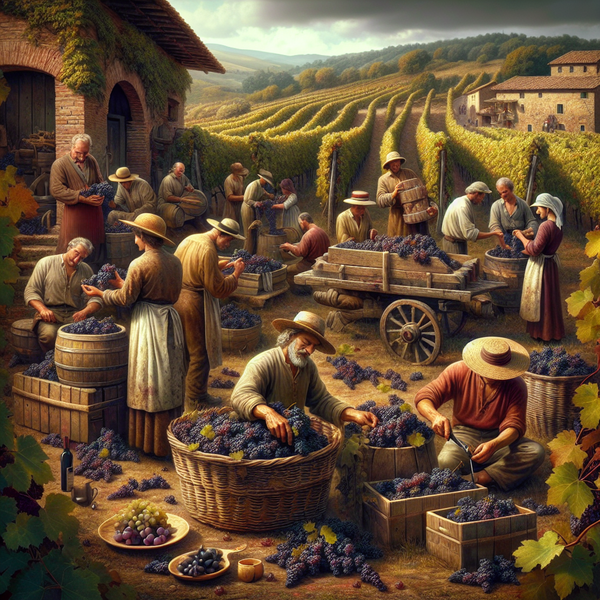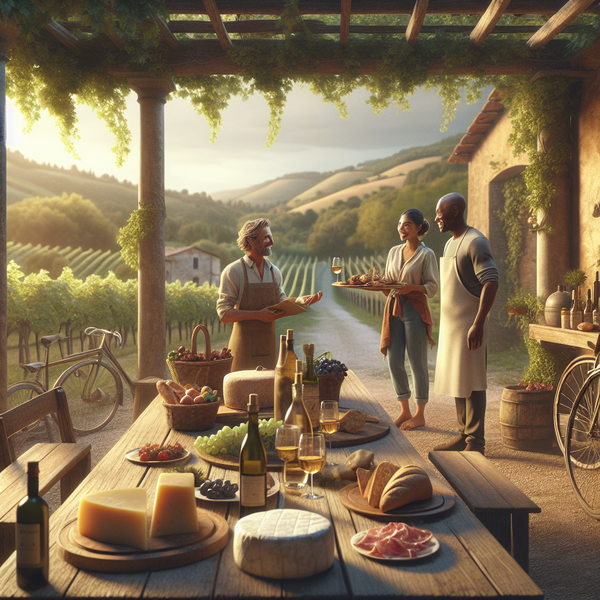
In Italy, the Slow Food movement is not just a culinary philosophy but a way of life woven into small farms, village osterie, and community markets. It was born in Piedmont as a reaction to fast food culture, and today it quietly defines how Italians think about taste, seasonality, and preserving biodiversity. To truly experience it, you must go beyond restaurant menus—into vineyards tended by hand, aging cellars that smell of chestnut wood, and kitchens where grandmothers still roll pasta on flour-dusted boards.
Go to the section
ToggleMeet the Slow Food Movement in Bra, Piedmont
The small town of Bra, in the Langhe region of Piedmont, is the birthplace of the global Slow Food movement. Its founder, Carlo Petrini, launched the idea here, and you can still visit its headquarters inside an 18th-century building near Piazza XX Settembre. Nearby, the Università di Scienze Gastronomiche in Pollenzo offers guided tours where visitors can explore Italy’s first wine bank housed in the royal Savoy cellars. Each tasting showcases regional varietals like Dolcetto and Arneis, stored alongside detailed terroir histories.
Plan a visit during the biennial Cheese Festival in Bra, when cheesemakers from all over Europe fill the cobbled streets with wheels of raw-milk robiola and alpine toma. Even outside festival dates, the Osteria Boccondivino—where Slow Food began—serves dishes like braised beef in Barolo wine and bagna cauda made with local anchovies. Each ingredient here is seasonally sourced within 50 kilometers, a living expression of the movement’s “good, clean, and fair” credo.
Cooking and Eating Slowly in Emilia-Romagna’s Food Heartlands
Few regions embody the Slow Food ethos like Emilia-Romagna, where culinary time moves at human pace. In Modena, small acetaie such as Acetaia Pedroni produce Aceto Balsamico Tradizionale aged for over 12 years in cherry, juniper, and oak barrels. Visitors can arrange private tastings directly with the producer, comparing subtleties of color, viscosity, and acidity between 12- and 25-year reserves. Nearby, in the village of Zibello, family-run farms invite visitors to see how the prized Culatello di Zibello ham is cured in misty cellars along the Po River—an atmosphere impossible to replicate elsewhere.
In Bologna, you can join a pasta-making class with Le Sfogline, the artisan women who hand-roll egg pasta to translucent thinness using wooden mattarelli. Their lessons end around an antique farmhouse table with steaming bowls of tagliatelle al ragù and a discussion about wheat varieties grown in the plains between Ferrara and Imola. Every bite connects you directly with centuries of agricultural knowledge.
Farm Dinners and Seasonal Markets in Tuscany
Tuscany offers some of the most accessible ways to experience Slow Food principles. Agriturismi around Siena and Montepulciano open their fields and kitchens for dinner events called cene in vigna, where menus change according to the harvest—fresh porcini in autumn, fava beans in spring, and heirloom cereals year-round. Many of these farms are members of the Terre di Siena Slow Food community, ensuring that ingredients such as the Chianina beef or Cinta Senese pork come from certified local breeds.
On Saturday mornings, stop at the Mercato delle Erbe in Florence or the smaller market in Panzano in Chianti. Producers sell fresh pecorino wrapped in fig leaves and olive oil pressed the previous week. Ask vendors where their fields are located—you’ll often be invited to visit. It’s common to spend an afternoon walking among olive groves with the growers themselves, tasting new oil poured over toasted bread rubbed with garlic.
Slow Fish and Island Ingredients in Liguria and Sicily
In coastal Liguria, Slow Food shines through sustainable fishing and heritage olive groves. In Genoa’s Mercato Orientale, you’ll meet cooperatives selling small-catch anchovies from Camogli, harvested using centuries-old lampara nets that minimize bycatch. By heading west to the village of Varigotti, travelers can join fishermen before dawn, helping to haul in nets and learning how the catch is sorted for local trattorie—none of which use frozen seafood.
Down in Sicily, the movement has become a safeguard for ancient grains and citrus biodiversity. Near Ragusa, the Cooperativa del Tarì hosts workshops on stone-milled Timilia wheat, explaining how it once nearly disappeared under intensive farming. Tastings of pane nero di Castelvetrano show how traditional recipes balance earthy flour with olive oil acidity. On the Aeolian Islands, you can visit caper farms where workers still pick each bud before dawn, preserving them in sea salt instead of vinegar to retain their aromatic oils—an ancient practice revived through Slow Food networks.
Joining Festivals and Educational Experiences Across Italy
Italy’s Slow Food events are designed for participation, not observation. Every September, Terra Madre Salone del Gusto takes place in Turin, bringing thousands of producers and visitors to discuss sustainable farming over steaming plates of polenta or chickpea farinata. Workshops focus on forgotten legumes, heritage cattle breeds, and ethical coffee roasting. Advance registration on the Slow Food website is recommended because many labs fill months ahead.
In the south, the Fiera del Peperoncino in Diamante, Calabria, turns chili peppers into an art form, while Naples periodically hosts Pizzafest celebrating slow-fermented dough. Even smaller towns like Cisternino in Puglia hold Mercatino del Gusto, an open-air evening market pairing local wines with street music and family recipes. These gatherings are more than spectacles—they’re core to the movement’s effort to protect culinary heritage by making it joyful, visible, and shared.
Practical Tips for Traveling the Slow Food Way
To travel according to Slow Food principles means adjusting your tempo and choices. Stay in agriturismi that serve meals using their own production or neighboring farms. Websites like the Slow Food Presidia list recognized producers, from Alpine honey farmers to Sicilian fishermen, open to visits by appointment. Bring cash for small markets—many rural vendors are not equipped for card payments.
Transportation also matters. Trains reach most provincial capitals, but the heart of Italy’s Slow Food movement lies in villages just beyond. Renting a small car allows you to access olive mills or cheese dairies that public transit skips. When driving in the countryside, be aware of Italy’s Zona Traffico Limitato (ZTL) areas in towns; parking outside the center and walking in is both legal and part of slow travel mindfulness.
Finally, resist the urge to over-plan your itinerary. Conversations often lead you to the best meals or spontaneous tastings. If someone invites you for coffee or insists you try their neighbor’s cherry jam, say yes—that moment is the essence of the Slow Food movement.
Where to Buy and Taste Slow Food Products to Bring Home
Before you leave, stock up on certified Presidia products found in shops marked “Bottega di Campagna Amica.” These stores, present in most medium-sized Italian towns, carry items such as black chickpeas from Puglia, carob syrup from Modica, and wild oregano from Pantelleria. For an immersive experience, the Eataly Torino Lingotto complex dedicates an entire section to Slow Food labels, each shelf narrating the geography of Italian taste.
Most regions also have cooperatives that ship internationally, allowing you to order from the same small producers you visited. When you pack products like olive oil or balsamic vinegar, wrap bottles in sealed bags inside clothing to meet airline requirements. Customs permits most sealed, non-perishable foods from the European Union, so your memories of Italy can live on in your kitchen—the slow way.
Living the Slow Food Philosophy Beyond Italy
Once you’ve watched cheese ripen in the Langhe or tasted a tomato straight from a Sicilian field, the idea of Slow Food becomes personal. It’s about valuing relationships as much as recipes. Back home, look for local farmers’ markets, join CSA boxes, or cook a regional Italian dish with certified Italian ingredients. The same philosophy that began in a small Piedmont town can guide you anywhere: eat mindfully, waste less, and remember the story behind every bite.
Experiencing the Slow Food movement at its source in Italy doesn’t require wealth or expertise—just time, curiosity, and the willingness to listen to people who still cook as their grandparents did. That attentiveness, more than any dish, is the soul of travel done slowly.