Choosing a villa rental in Tuscany is not just about finding a good view — it’s about calibrating comfort, authenticity, and logistics. Having scouted hundreds of countryside estates across Chianti, Val d’Orcia, and the Maremma coast, I’ve learned that the perfect Tuscan villa is the one that matches your rhythm — whether that’s morning espresso under vine-laced pergolas or cooking with your host’s homegrown olive oil. Here’s how to find it, step by step.
Go to the section
ToggleUnderstand Tuscan Geography Before You Start Searching
Tuscany stretches from the rugged Apuan Alps near Carrara to the volcanic plains of southern Grosseto, so your first decision is to choose a subregion that suits your travel style. If you want winery visits and central positioning, Chianti’s villages like Greve or Panzano offer timeless stone villas surrounded by vineyards. For photogenic hill towns and hot springs, focus on Val d’Orcia, between Montepulciano and Montalcino — a UNESCO-listed landscape that defines the postcard image of Tuscany. Families who crave proximity to the sea often prefer Maremma, where converted farmhouses near Castiglione della Pescaia sit minutes from sandy beaches yet retain rural quiet. Understanding this geography gives you control over travel time: Florence to Cortona, for example, is a two-hour drive, while coastal detours extend the distance considerably.
Know the Type of Villa Rental That Matches Your Needs
Not all Tuscan villas are created equal. Self-catering farmhouses, or agriturismi, often come with shared pools and on-site produce, while privately owned estates like those around San Gimignano can provide full independence. If you’re traveling as a group, confirm whether each bedroom has its own bathroom — an often-missed detail in older properties. Ask owners about air conditioning: in historic stone villas, cooling is rare outside July and August, though thick walls help in milder shoulder seasons. In winter rentals near Lucca, fireplaces aren’t decorative — they’re essential. Matching villa type with your lifestyle ensures comfort rather than compromise.
Pay Attention to Location Logistics and Accessibility
Rustic can quickly become impractical if you underestimate Tuscan roads. Many remote villas, especially in Crete Senesi or Casentino, require several kilometers of gravel track — difficult for low-clearance cars. Before booking, request the exact GPS coordinates and check how far the nearest town is for daily shopping. For reference: a 15-minute drive to a supermarket is considered convenient in rural Tuscany. Those flying into Pisa should look east for easier access to Volterra or the coast, while Florence Airport travelers will save time staying north of Siena. Rent a small-to-medium car rather than a van; village parking spaces in places like Castellina in Chianti are notoriously tight. Reliable access is as crucial as scenery.
Find all the best hotel deals
https://www.booking.com
Evaluate Authenticity vs. Amenities in Tuscan Villa Rentals
The delicate balance between rustic authenticity and modern comfort defines most Tuscan searches. Villas restored within the last decade often feature Wi-Fi, pool heating, and double-glazed windows — a rare combination in century-old farmhouses. Yet, some of the most memorable experiences happen in places where Wi-Fi is intermittent but sunsets are flawless over the Crete Senesi hills. When browsing listings on local agencies like Emma Villas or individual owners via regional websites, compare interior photographs carefully: terracotta floors and timbered ceilings are common selling points, but look closer for details such as mosquito screens or shaded outdoor dining areas. If your trip revolves around cooking, prioritize kitchens with gas stoves rather than electric — Tuscan cuisine depends on intense heat for dishes like pici all’aglione.
Discover the best local experiences
https://gyg.me/Q34g5TYa
Use Local Agencies and Verified Reviews, Not Just Big Platforms
While global booking engines simplify searching, Tuscan specialists provide unmatched precision. Agencies such as Salogi or Vacavilla maintain personal relationships with property owners and visit their villas annually, often sharing floor plans and village orientation maps upon request. Smaller Italian websites frequently include local taxes and cleaning fees up front, avoiding last-minute surprises. Still, verify every listing through recent guest reviews — preferably written within the last season — and cross-check those comments on at least two platforms. Italians often list the same villa across different portals under slightly different names; matching photos ensures legitimacy. A short Skype call with the owner before booking is common practice and hints at serious hosts rather than absentee investors.
Spot the True Value Beyond the Price Tag
Comparing prices across Tuscany only makes sense if you evaluate what’s included. A weekly rental near Montepulciano advertised at €2,500 may seem high, but if it covers utilities, mid-week cleaning, and an arrival dinner, it can undercut cheaper options that charge extras. Pool maintenance, heating, and tourist taxes can easily add €200–300 per week. Ask the owner for an all-in estimate before sending a deposit. Beware of hidden energy costs during off-season stays: pellet stoves and electric heating raise bills in autumn. Conversely, some budget-friendly agriturismi include complimentary tastings of their olive oil or Chianti wines — tangible local value that also enriches your stay.
Time Your Villa Rental Booking for the Tuscan Calendar
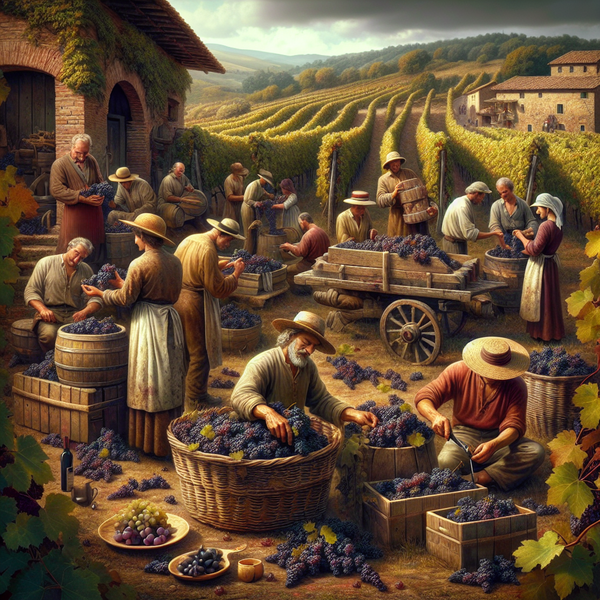
Timing can make or break availability. High season spans roughly from late May to September, when most villas rent by the week, Saturday to Saturday. Families booking nine to twelve months in advance secure the best options, particularly around Cortona and San Gimignano. Shoulder months — April or October — deliver lower prices and gentler weather, plus easier restaurant reservations. Harvest season in September transforms rural villages: staying on an olive estate near Monte San Savino lets you witness vendemmia, the grape harvest. During winter, from November to March, minimum stays often drop to three nights, ideal for couples exploring local Christmas markets or truffle fairs in San Miniato.
Inspect Legalities and Payment Safety Before Committing
Italy’s short-term rental laws are transparent yet regionally enforced. Every legal villa should display a registration code (Codice Identificativo Regionale) issued by the Regione Toscana. Ask for it before paying. Bank transfers remain standard in Italy, but use traceable EU SEPA payments — not international wire services — to minimize fraud risk. If the owner requests cash on arrival, confirm you’ll receive a formal rental agreement and a detailed receipt including city tax (tassa di soggiorno). Double-check the refund policy: most Tuscan operators follow a 30% deposit and 70% balance rule due about one month before arrival, with limited cancellation flexibility. Responsible preparation ensures peace of mind before you turn the key in that heavy wooden farmhouse door.
Consider Seasonal Essentials for Comfort and Experience
In July and August, pools and shaded patios are not luxuries — they are lifelines against the 35°C afternoons that roll across the hills outside Siena. In spring and autumn, prioritize heating options over air conditioning: evenings in the Mugello Valley can drop below 10°C even while Florence stays mild. For off-season stays, find villas offering nearby restaurants open year-round; some rural areas go into hibernation after harvest. Additional seasonal bonuses include lavender fields blooming in late June around San Quirico d’Orcia or the sunflower belts near Monteriggioni, typically peaking in early July. Matching your expectations with Tuscany’s agricultural rhythms enriches both comfort and authenticity.
Embrace Local Connections Once You Arrive
When renting privately, your host often lives on the same estate — a priceless advantage. Many owners happily introduce guests to neighboring farmers for olive oil tastings or recommend butchers who age chianina beef properly. Accept such offers; they open doorways unavailable to hotel guests. In Chianti, my favorite way to connect is by joining small cooking classes organized by villa hosts in their farmhouse kitchens — they’ll teach you how to roll pici or prepare cantucci using almonds from their own trees. These exchanges transform a villa stay from accommodation into cultural residency, something uniquely Tuscan and deeply rewarding.
Finding the perfect villa rental in Tuscany is ultimately about harmony: between expectation and location, comfort and tradition, independence and connection. When those elements align — when your morning cappuccino steams beside a cypress view and your neighbor waves from across the vineyard — you know you’ve found a Tuscan home, not just a holiday rental.