Most people picture the Italian Alps as a paradise for skiers zigzagging down powdery slopes. But even if you’ve never strapped on skis—or never plan to—you can still experience the region’s magic. The Alps stretch from Aosta in the west to Friuli-Venezia Giulia in the east, and many of the best alpine villages, thermal spas, and hiking paths are designed for travelers who’d rather walk, soak, eat, and photograph than race downhill. Here’s how to enjoy the Italian Alps year-round, without a single ski pass.
Go to the section
ToggleWhere to Base Yourself in the Italian Alps Without Skiing
Choosing the right base is key. In the Aosta Valley, Courmayeur offers snow views of Mont Blanc with a lively pedestrian center full of cafés and patisseries like Cafè della Posta. Trento and Bolzano in Trentino-Alto Adige make perfect low-altitude hubs—both reachable in under two hours by train from Verona and ideal for day trips into the Dolomites. In the Lombardy Alps, choose Bormio if you want easy access to thermal baths and the historic Stelvio Pass (open June to October). The key is to balance altitude with accessibility; many upper villages like Livigno or Madonna di Campiglio are reachable by a combination of train and regional bus.
Most towns remain lively even in shoulder seasons. During summer, regional bus services such as SAD (South Tyrol) and Arriva (Lombardy) operate reliable connections. In winter, plan for shorter daylight hours—shops often close between 1:00 p.m. and 3:30 p.m.—and confirm cable-car hours in advance, as they often pause for maintenance after Easter and in October.
Low-Impact Mountain Activities and Scenic Exploration
Without skis, you’re free to enjoy the alpine landscapes at a different rhythm. The Dolomites offer hundreds of malghe (mountain huts) reachable on foot or by gondola, where you can sip warm apple juice or a glass of Lagrein wine while gazing toward the Odle peaks. Val Gardena’s cable car from Ortisei to Seceda is a favorite for non-skiers—an eight-minute ride ending in one of the most dramatic panoramas in Europe.
In the western Alps, near Aosta, take the Skyway Monte Bianco rotating cable car; it climbs from Courmayeur to Punta Helbronner at over 3,400 meters. You don’t need any gear—just warm layers and sunglasses—to enjoy views across to the Matterhorn and Mont Blanc. If you prefer gentler terrain, walk the Lago di Braies circuit in South Tyrol, a 90-minute loop easily managed even in light snow boots, with benches and coffee stops at the hotel on the lake shore.
For travelers with mobility considerations, several areas have wheelchair-accessible gondolas. The Plan de Corones lifts near Brunico allow visitors to ascend and enjoy panoramic platforms without taking part in sports at all—ideal for multi-generation trips or travelers wanting an easy but rewarding mountain experience.
Thermal Baths, Spas, and Wellness Retreats in the Italian Alps
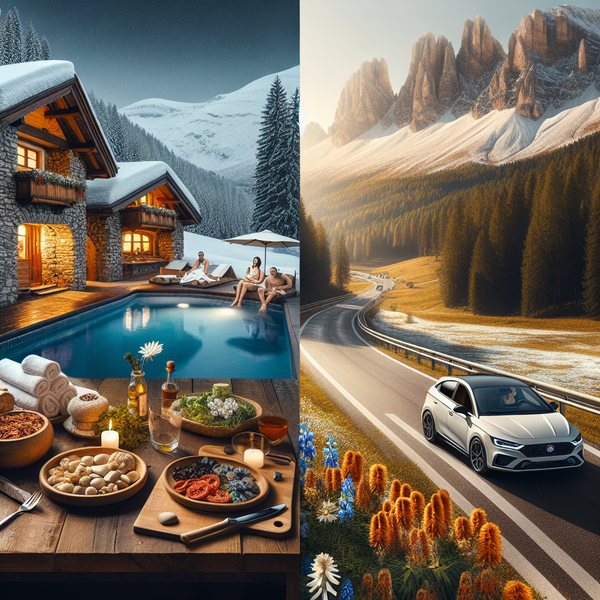
Bathing culture runs deep in alpine Italy, harking back to Roman times. Bormio Terme in Lombardy offers indoor and outdoor pools heated by natural springs, open year-round and perfect after mountain walks. For something more atmospheric, the QC Terme Pré-Saint-Didier near Courmayeur features outdoor tubs facing Mont Blanc—nothing beats soaking in steaming water while snowflakes melt on your shoulders. Advance booking is essential, especially on weekends, and swimsuits are mandatory (a local tip: bring flip-flops and your own towel to avoid small rental fees).
In South Tyrol, alpine wellness is refined into an art form. Spa hotels in villages like Ortisei, Siusi, and Merano deliver panoramic saunas and herbal steams combined with treatments using local spruce or hay oils. Merano also has public thermal baths designed by architect Matteo Thun, reachable from the town center on foot or by local bus 1.
Seasonal Food, Markets, and Culinary Trails Without Skis
The pleasures of the Alps are as edible as they are scenic. Winter brings hearty mountain dishes: polenta taragna in Valtellina (a dark buckwheat version served with Casera cheese), venison with cranberries in Trentino, and potato dumplings—canederli—in South Tyrol prepared with local bacon and chives. Most alpine towns host weekly farmers’ markets; for example, Bolzano’s takes place in Piazza delle Erbe daily except Sunday, selling strudel filled with local apples (the regional IGP variety matured in Val Venosta).
In summer, gastronomic festivals appear in even the smallest hamlets. The Sagra della Polenta at Storo marks the harvest of native Storo corn, while in the Aosta Valley, the Marche au Fort fills Bard’s medieval streets each October with dozens of cheese and salumi producers. You can also join guided tastings of mountain cheeses—Fontina DOP, Bitto, or Puzzone di Moena—often organized by consortia at tourist offices.
Alpine Museums, Castles, and Historic Sanctuaries Worth a Visit
History quietly saturates these mountains. South Tyrol alone houses over 80 castles; among the most atmospheric are Castel Tirolo above Merano and Castel Roncolo on the edge of Bolzano, where 14th‑century frescoes show knights and courtly scenes. In the Aosta Valley, Fort Bard’s massive stone ramparts host the Museum of the Alps, with interactive exhibits that explain mountain geology and climbing history—ideal if weather keeps you indoors.
For art lovers, the Messner Mountain Museums (founded by Reinhold Messner, the South Tyrolean climber) are spread across six different Alpine peaks and fortresses; the one at Firmian near Bolzano is easiest to reach by car or bike, open most days between 10:00 a.m. and 6:00 p.m. Religious heritage seekers can head to the Sanctuary of Oropa near Biella, surrounded by wooded hills at 1,150 meters; it’s part of a network of nine UNESCO-listed Sacred Mountains and accessible by local bus from Biella’s train station.
Slow Travel Routes and Scenic Drives Through the Alps
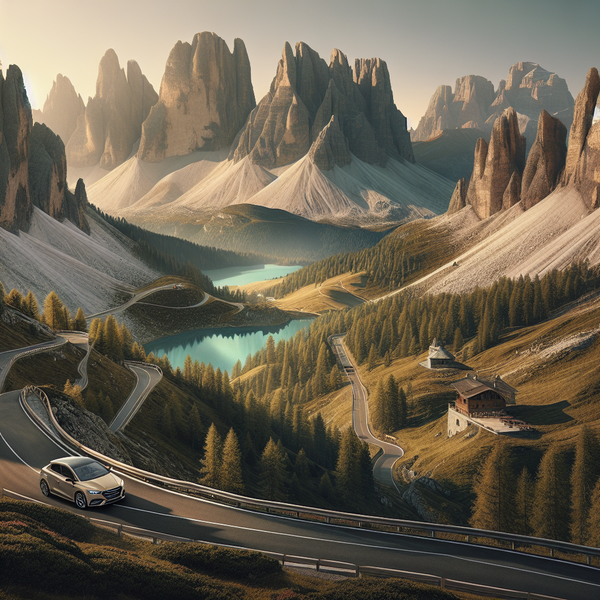
If you don’t ski, the road becomes your trail. Renting a small hybrid car gives the flexibility to explore iconic routes like the Great Dolomites Road (Grande Strada delle Dolomiti) between Bolzano and Cortina d’Ampezzo. The 110‑kilometer drive takes about four hours if you stop for photos and lunch—try a plate of dumplings at Rifugio Carezza or coffee in Canazei’s pedestrian center. Many stretches close after heavy snowfall, so check the ANAS road bulletin before departure.
In Lombardy, the Stelvio Pass (one of Europe’s highest paved roads) spirals through 48 switchbacks up to 2,758 meters; it’s open roughly from late May to early October. Drivers should start early from Bormio or Prato allo Stelvio to avoid bus convoys. For scenic public transport, hop on the Bernina Express train from Tirano to St. Moritz. The journey crosses staggering viaducts and glaciers—all without driving or skiing, and with open-air viewing cars available in summer.
Hiking, Walking, and Year‑Round Nature Experiences
For many, hiking replaces skiing as the heart of alpine discovery. Trails are well marked thanks to the Club Alpino Italiano (CAI), and routes range from easy meadow circuits to high‑altitude treks. A lovely introduction is the loop above Alpe di Siusi, Europe’s largest alpine pasture—reachable by cable car from Siusi village. Expect two‑hour walks among flower fields in summer or snow‑packed vistas in winter, with rustic inns serving homemade elderflower syrup. Hiking maps are sold in every tourist office for a few euros and detail trail numbers and elevation gain.
Seek out protected reserves like Stelvio National Park (shared by Lombardy and Trentino), the Gran Paradiso Park near Aosta, or the Parco Naturale Fanes‑Sennes‑Braies in the Dolomites. Guided snowshoe walks operate in winter, offered by local mountain guides who provide gear if you don’t bring any. Birdwatchers can head to Lago di Dobbiaco, where herons and mallards gather even in cold months thanks to unfrozen spots near the southern shore.
Practical Tips for Visiting the Italian Alps Without Skiing
Non‑skiers benefit from lower costs and easier logistics. Accommodation prices drop outside peak ski weeks, and most local hotels remain open for spa guests and hikers. Carry a reusable water bottle—the tap water in alpine villages (often marked acqua potabile) is among the cleanest in Italy. Buses and trains are efficient: the Trentino Guest Card, offered free by many hotels, includes unlimited public transport and museum entry. In the Aosta Valley, the regional ticket system lets you buy one fare valid across train and bus segments, purchasable at Trenitalia machines.
Pack in layers. Even in July, high‑altitude temperatures dip below 10°C at night, while winter sunshine can be deceptively intense; sunscreen and sunglasses are essential. Credit cards are widely accepted, but keep small bills if you plan to visit family‑run huts or local markets where cash still rules. Finally, always check the weather forecast on meteoam.it (the Air Force meteorological site) before setting out—storms move quickly across these peaks, and local advice at your hotel or tourist office is worth heeding.
Visiting the Italian Alps without skiing means slowing down to breathe thinner air and noticing details: the scent of cheese aging in wooden cellars, church bells echoing between cliffs, and stars glimmering over dark slopes. It’s travel with both altitude and calm—a way to feel part of the mountains even when your boots stay on level ground.