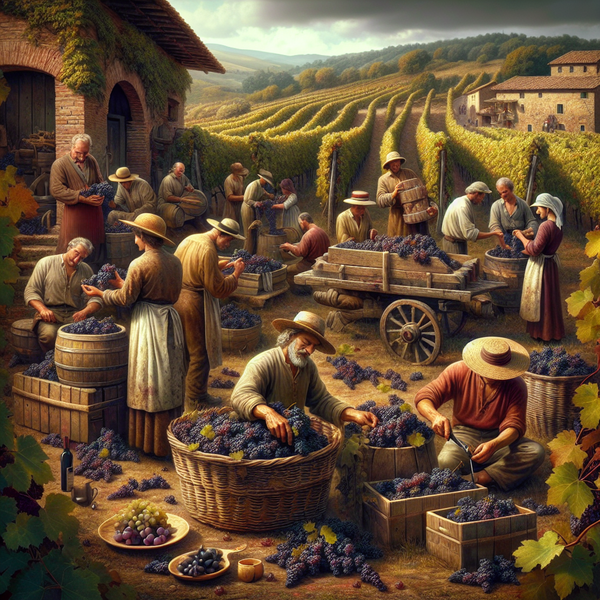
Italy is much more than a destination—it’s an immersive experience for all the senses. The lilt of the language, the textures of ancient stone streets, the vibrancy of art and architecture… But above all, it’s the food. If you’re dreaming of slow-cooked ragù in Bologna, hand-rolled pasta in Tuscany, or seafood risotto along the Amalfi Coast, there’s no better way to connect with Italian culture than by taking a regional cooking class. From north to south, Italy offers unique culinary adventures that go beyond sightseeing—they let you become part of a local story.
Go to the section
ToggleWhat to see
Veneto: charming canals and culinary secrets
Venice may draw you in with its gondolas and ornate palaces, but the region of Veneto also reveals rolling hills and quaint villages perfect for culinary exploration. While in Venice, admire the Doge’s Palace and St. Mark’s Basilica. Then venture into the countryside to discover medieval towns like Bassano del Grappa, famous for its spirits and seasonal produce.
Tuscany: art cities and pastoral landscapes
Florence’s Renaissance treasures—like the Uffizi Gallery and the Duomo—are must-sees, but the hills of Chianti and Val d’Orcia offer peaceful escapes and photogenic backdrops for cooking experiences. Picture yourself cooking in a farmhouse surrounded by olive groves and vineyards.
Emilia-Romagna: Bologna and beyond
Known as Italy’s gastronomic heart, this region is also culturally rich with sites like the Two Towers of Bologna, the mosaics of Ravenna, and the Ferrari Museum in Modena. Combine visits to historical landmarks with culinary workshops for a well-rounded experience.
Campania: coastal beauty and vibrant heritage
From Naples’ bustling streets to the colorful houses of Positano, Campania is a feast for the eyes. Don’t miss Pompeii’s ruins or the view from Villa Rufolo in Ravello. The Amalfi Coast blends visual wonders with a culinary tradition deeply tied to the sea.
Sicily: historical depth and natural wonders
Sicily entices travelers with ancient Greek theaters in Taormina, Roman villas in Piazza Armerina, and the baroque towns of Noto and Ragusa. Layered with influences from Arabic, Spanish, and Norman cultures, Sicily is a unique stage for cooking classes.
What to do
Join a hands-on cooking class
Cooking classes vary widely by region, each offering local specialties and age-old techniques:
- Veneto: Make risotto with locally sourced seafood or radicchio in a family-owned workshop in Burano.
- Tuscany: Learn how to knead pici pasta or bake cantucci in a countryside villa near Siena.
- Emilia-Romagna: Try your hand at tortellini in Bologna or balsamic vinegar reduction in Modena.
- Campania: Use fresh mozzarella and San Marzano tomatoes to prepare Neapolitan pizza in a wood-fired oven.
- Sicily: Craft arancini and cassata in a cooking school set in a former palazzo in Palermo.
Visit local food markets
Regional markets are the perfect prelude to any cooking class. You’ll get to touch, smell, and taste ingredients you’ll later learn to cook with.
- Florence’s Mercato Centrale—a two-story haven of Tuscan delights.
- Bologna’s Quadrilatero Market—narrow lanes filled with cheeses and cured meats.
- Palermo’s Ballarò Market—a sensory overload of colors, voices, and street food.
Pair cooking with wine tasting
Many classes, especially in Tuscany or Sicily, include or can be combined with wine tasting experiences. Learn which local varietals go best with your handmade ravioli or caponata.
Itineraries
Northern Italy culinary escape: 6-day itinerary
- Day 1: Arrive in Venice and enjoy a lagoon-side seafood dinner.
- Day 2: Cooking class in the Venetian countryside with fresh lagoon fish.
- Day 3: Explore Verona or the Prosecco Hills.
- Day 4: Transfer to Bologna; street food tour on arrival.
- Day 5: Pasta-making class in a Bologna cooking school.
- Day 6: Visit a Parmigiano-Reggiano factory and enjoy a balsamic vinegar tasting.
Tuscany and Umbria immersive week
- Day 1: Arrival in Florence, walking tour and gelato workshop.
- Day 2: Pasta and tiramisu class in the Chianti region.
- Day 3: Free day for exploring San Gimignano or Montepulciano.
- Day 4: Market visit and cooking in a restored farmhouse.
- Day 5: Day trip to Perugia with chocolate and truffle tasting.
- Day 6: Farewell dinner featuring local recipes using seasonal ingredients.
Sicilian flavors itinerary: 5 days in the island
- Day 1: Arrival in Catania, explore baroque architecture and street food.
- Day 2: Cooking class near Mount Etna featuring couscous and swordfish.
- Day 3: Visit local farms and vineyards outside Noto.
- Day 4: Palermo market tour and dessert-making class (cannoli & cassata).
- Day 5: Coastal boat lunch with Sicilian caponata and citrus granita.
Local cuisine
What makes each region special
Italian cuisine is far from monolithic. Each region brings forward unique ingredients and cooking techniques:
- Veneto: Known for creamy risottos, especially with seafood or seasonal vegetables like white asparagus.
- Tuscany: Features rustic flavors—unsalted bread, grilled meats like bistecca alla fiorentina, and hearty bean soups.
- Emilia-Romagna: Birthplace of tagliatelle al ragù, aged balsamic vinegar, mortadella, and Parmigiano-Reggiano cheese.
- Campania: Rich in tomatoes, buffalo mozzarella, eggplants, and lemons used in everything from pizza to Limoncello.
- Sicily: A fusion kitchen with Arabic influences—think saffron, raisins, pine nuts, and couscous. Don’t miss caponata or pasta alla Norma.
Classes adjusted to seasons
Many chefs and cooking schools adjust their curriculum based on seasonal availability. In spring, you may work with artichokes and fava beans. Late summer offers juicy tomatoes and eggplants, while winter focuses on slow-cooked stews and hearty pastas.
Budget tips
How to enjoy cooking classes without breaking the bank
Traveling in Italy doesn’t have to be extravagant. With a bit of planning, you can enjoy rich culinary experiences at affordable prices.
- Choose group classes: Private lessons can be pricey; group workshops are more budget-friendly and equally enjoyable.
- Book in advance: Planning ahead lets you access early bird discounts or package deals with accommodation and additional activities.
- Consider agriturismi: These rural farm stays often offer cooking experiences as part of your lodging cost.
- Use city-specific passes: Cities like Florence and Bologna offer tourist cards that include cooking classes or food tours.
- Look for midday options: Lunch classes tend to be more economical than dinner ones, and often include a full meal.
Regions with excellent value for money
While Tuscany and the Amalfi Coast are stunning, they can also be expensive. For budget-conscious travelers, we recommend considering:
- Umbria: Offers rustic charm and authentic cooking experiences at lower rates.
- Le Marche: Less touristy, with enthusiastic hosts happy to share their culinary traditions.
- Southern Sicily: Especially around Ragusa and Modica, where cooking classes cost less yet deliver poignant flavor and history.
Dining smart to complement your classes
Supplement your cooking experiences by eating like a local:
- Have your main meal at lunch, as many restaurants offer fixed-price menus (menu del giorno).
- Buy ingredients at morning markets and prepare simple dishes if staying at an Airbnb or agriturismo.
- Enjoy aperitivo buffets in northern cities, which offer a light dinner for the price of a drink.
Taking a cooking class in Italy turns your vacation into a journey of tradition, taste, and connection. Whether you’re sipping wine in Tuscany or folding ravioli in Bologna, these experiences anchor you to the rhythms of la dolce vita. Travel with your senses open and your appetite ready—you’ll take home more than recipes; you’ll carry memories made by hand.