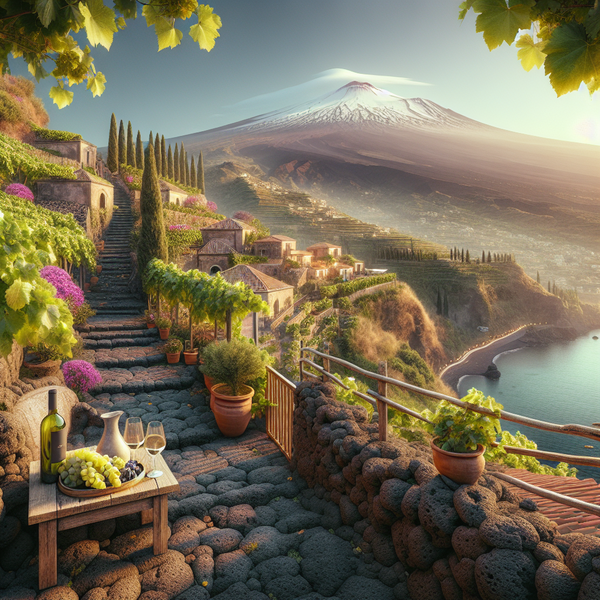
Nestled in landscapes shaped by centuries of tradition, Italy’s wine regions offer not only world-class wines but also unforgettable travel experiences. From the rolling hills of Tuscany to the misty vineyards of Piedmont and beyond, each region paints a picture of Italian culture, cuisine, and craftsmanship. Whether you’re sipping Chianti Classico in a family-run estate or exploring medieval towns between tastings, visiting Italy’s wine country is an immersive journey that satisfies all senses. This guide will take you through the highlights of Tuscany, Piedmont, and other notable wine regions, helping you plan a trip that’s as enriching as it is indulgent.
Go to the section
ToggleWhat to see
Tuscany
The Tuscan countryside is postcard-perfect with its cypress-lined roads, sun-drenched vineyards, and historic hilltop towns.
- Chianti region: Famous for its ruby-red Chianti Classico, this area between Florence and Siena is dotted with charming villages like Greve and Radda in Chianti.
- Montalcino: Known for the prestigious Brunello di Montalcino, the town’s cobbled streets and 14th-century fortress are well worth exploring.
- Montepulciano: A medieval gem offering sweeping views and the noble Vino Nobile di Montepulciano.
Piedmont
Located in Italy’s northwest, Piedmont features vineyards framed by the Alps and some of the country’s most sought-after red wines.
- Barolo and Barbaresco: These two picturesque villages anchor the Langhe, home to bold Nebbiolo-based wines.
- Alba: Besides hosting famous truffle fairs, Alba is a gateway to many prestigious wineries and gourmet restaurants.
- La Morra: Offers scenic views and several welcoming wine producers with cellars open for tastings.
Other notable regions
Beyond Tuscany and Piedmont, Italy’s viticultural map is filled with surprises.
- Veneto: Explore the Prosecco Road around Valdobbiadene, or taste Amarone in the Valpolicella hills north of Verona.
- Sicily: Mount Etna’s volcanic soil produces mineral-rich reds and whites, while Marsala offers fortified wine traditions.
- Umbria: Often overshadowed by Tuscany, Umbria delivers authentic charm with towns like Montefalco, famous for its Sagrantino wines.
These regions provide not only beautiful views but layers of history and culture that enrich every visit.
What to do
Visit wineries
A visit to Italy’s wine regions wouldn’t be complete without touring the local wineries. You can choose from small family-operated cellars to grand estates steeped in centuries of tradition.
- Book guided tastings: Learn about grape varieties, production processes, and tasting techniques directly from local vintners.
- Join wine-making workshops: In some wineries, you can participate in grape harvesting or blending sessions, especially in early autumn.
Explore historic villages and towns
In between tastings, wandering through medieval alleyways and Renaissance piazzas adds depth to your experience.
- San Gimignano: Famous for its skyline of medieval towers and local Vernaccia wine.
- Neive: One of Italy’s most beautiful villages, perched among Barbaresco’s rolling vineyards.
Enjoy scenic drives and bike tours
Many vineyards are connected by gentle country roads perfect for self-driving tours or guided bike outings.
- Strada del Vino (Wine roads): Routes through wine territories like Tuscany’s Chiantigiana or Piedmont’s Strada del Barolo provide clearly marked scenic journey options.
- Cycle-and-sip tours: Combine exercise with enology with bike operators offering e-bike rentals and guided rides through the countryside.
Whether you’re seeking cultural depth or just a relaxing day surrounded by vineyards, there’s a wealth of activities to enjoy.
Itineraries
3-day Tuscany itinerary
- Day 1: Florence to Chianti – Visit Greve in Chianti, enjoy tastings at local wineries, and overnight in a countryside agriturismo.
- Day 2: San Gimignano and Volterra – Explore both medieval towns, pair sightseeing with white wine tastings, and return to your base for dinner.
- Day 3: Montalcino and Montepulciano – Sample Brunello and Vino Nobile wines, visit cellars carved into historic buildings, and catch panoramic views of the Val d’Orcia.
4-day Piedmont itinerary
- Day 1: Alba and the surrounding Langhe – Start with a visit to Alba and then explore local wineries focusing on Dolcetto and Barbera.
- Day 2: Barolo and La Morra – Dive into Nebbiolo’s subtleties with guided tastings and cellar tours.
- Day 3: Barbaresco day trip – Check out the Barbaresco Enoteca and sample the region’s elegant reds; stroll around the town’s serene center.
- Day 4: Asti and Monferrato – Taste sparkling Moscato in Canelli or sample reds in Moncalvo before heading back.
Weeklong mix: Tuscany and Umbria
- Day 1–3: Follow the Tuscany itinerary through Chianti and Val d’Orcia.
- Day 4–5: Drive to Umbria, stopping in Orvieto and staying in a local farmhouse near Todi.
- Day 6–7: Discover Montefalco and its wineries, and enjoy the quieter charm of central Italy away from crowds.
Each itinerary blends wine, culture, and countryside for a balanced, enriching experience.
Local cuisine
Tuscany
Tuscan cuisine is rustic, seasonal, and perfectly paired with regional wines.
- Bistecca alla Fiorentina: Thick-cut T-bone steak grilled over coals, often served with Chianti.
- Pappa al pomodoro: Bread and tomato soup that highlights simple countryside ingredients.
- Crostini neri: Chicken liver pâté spread on toasted bread, an ideal starter with local reds.
Piedmont
Piedmontese meals are rich, layered, and ideal companions to the region’s structured reds.
- Vitello tonnato: Sliced veal in a creamy tuna-caper sauce, typically an antipasto.
- Tajarin al tartufo: Hand-cut egg pasta served with shaved white truffles during autumn.
- Brasato al Barolo: Beef slow-cooked in Barolo wine, yielding deep flavors and tender texture.
Other regional specialities
- Risotto all’Amarone (Veneto): Creamy Arborio rice cooked with red Amarone wine.
- Arancini (Sicily): Fried rice balls filled with ragu and cheese, great for a snack between tastings.
- Porchetta (Umbria): Herb-stuffed roasted pork, often served in sandwiches at local festivals.
Every meal adds context to the wines you’ll taste, offering a unique expression of place and tradition.
Budget tips
Traveling smart without sacrificing quality
Italy’s wine regions can suit various budgets if planned thoughtfully.
- Visit in shoulder seasons: Late spring and early autumn bring fewer tourists and lower prices, along with ideal weather and harvest activities.
- Stay in agriturismos: These rural farm stays often include breakfast, wine tasting, and sometimes dinner, offering great value and authenticity.
- Opt for regional wines: Instead of flagship labels, try lesser-known varietals like Dolcetto, Rosso di Montalcino, or Grechetto for excellent quality at lower prices.
Use public or shared transport
While driving gives freedom, using trains or shared transfers can cut costs.
- Train to regional hubs: Towns like Siena, Alba, and Spoleto are accessible by train, with local buses or taxis to nearby wineries.
- Group wine tours: Shared tours with scheduled tastings and coaches are more economical than private options.
Save on food and tastings
- Avoid set lunch menus at tourist spots: Picnic from local shops or dine at neighborhood trattorias instead.
- Buy wine directly from producers: Many offer discounts and shipping options, saving money and supporting local businesses.
With a blend of smart planning and flexibility, you can enjoy Italy’s wine regions without stretching your budget.
Final thoughts
Visiting Italy’s wine regions is about more than just tasting exquisite wines—it’s a chance to connect with cultural traditions, meet passionate artisans, and savor the beauty of the Italian countryside. Whether you’re discovering the bold reds of Piedmont, exploring sun-kissed vineyards in Tuscany, or venturing into lesser-known areas like Umbria and Sicily, each experience will leave you with rich memories and even richer flavors. So raise a glass, map your route, and let Italy’s wine country guide you into a world of timeless charm.