Italy in autumn reveals an entirely different rhythm—one of golden vineyards, misty valleys, and forests aflame with color. From the Alps to Sicily, the air carries the scent of harvested grapes, roasted chestnuts, and woodsmoke. Traveling in this season feels more like being welcomed into everyday Italian life than observing it from a distance. The trick is knowing where to go to see the country’s best fall foliage and harvest scenery, because timing, elevation, and local traditions make all the difference.
Go to the section
ToggleFoliage and Harvest Trails in Trentino-Alto Adige: Northern Italy’s Alpine Fireworks
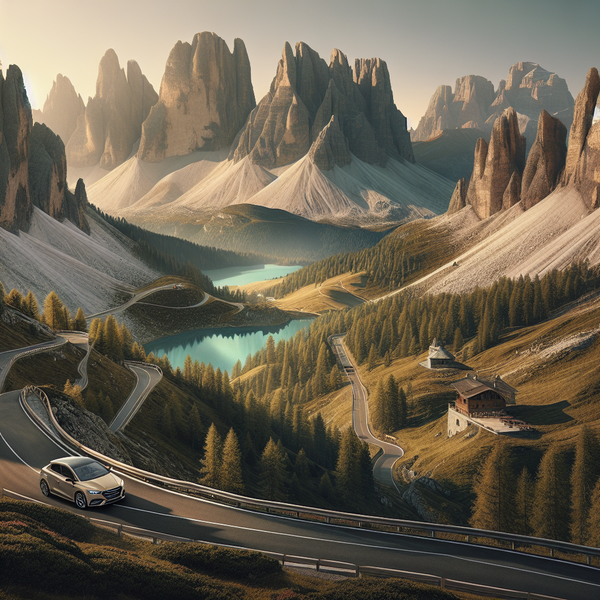
The Dolomites of Trentino-Alto Adige explode into color by late September, when the larches turn honey-yellow and the apple orchards surrounding Merano are heavy with red fruit. The Alto Adige Wine Road—straddling Caldaro, Termeno, and Appiano—is one of the best autumn drives in Italy. You can stop at family-run cellars for new vintage tastings, often paired with cured speck or local cheese. Hiking the Tappeiner Promenade above Merano gives panoramic views where grapevines meet forests of beech and larch, especially vivid after the first frost.
For photographers, the stretch of road between Ortisei and Santa Cristina in Val Gardena offers early morning mist hanging low over crimson forests. In October, the village of Lana holds its Apfelfest (Apple Festival), where cider makers and pastry bakers sell apple strudel still warm from the oven. It’s an authentic time to mix with locals while sampling regional harvest foods.
Tuscany’s Chianti Hills and Val d’Orcia: Vineyards in Gold and Rust
Tuscany truly lives its cinematic reputation in autumn. Between Florence and Siena, the Chianti hills glow amber as the grapevines turn from green to copper. The harvest, locally known as la vendemmia, finishes by early October, leaving the villages calmer and welcoming. Walk the dirt roads around Castellina or Radda in Chianti just before sunset; the region’s mosaic of vineyards, olive groves, and oak woods becomes its own color palette.
Farther south, the Val d’Orcia—a UNESCO-protected landscape—offers some of Italy’s best fall scenery. Cypresses line winding roads between San Quirico d’Orcia and Pienza, where rows of vines ripple across the hills. Locals light fireplaces once nights cool, and the scent of roasting chestnuts mingles with that of truffles and new olive oil. Late October through mid-November is ideal for following the Strada dell’Olio, the Olive Oil Road, around Montepulciano and Trequanda, where mills open for tastings of fresh-pressed oil, thick and bright green.
Umbria’s Forests and Hilltowns: Truffles, Olives, and Fiery Woodlands
Neighboring Umbria often lives in Tuscany’s shadow, but it’s arguably richer in pure autumn atmosphere. The woodlands of the Monte Subasio Natural Park—above Assisi—burn in tones of red oak and elm. Stay in Spello or Bevagna to hike shaded trails dusted with acorns while farmers harvest olives below. In mid-October, the small town of Gubbio hosts Festa del Tartufo Bianco, dedicated to the white truffle, where tiny trattorias serve tagliatelle crowned with shaved truffle and local Sagrantino wine from Montefalco.
Near Lake Trasimeno, bicycle routes cut through villages such as Passignano and Tuoro, both framed by chestnut and beech woods. Late afternoons turn the lake surface into a mirror of warm gold and crimson. It’s a good region to rent a rustic agriturismo and join an olive-picking session—many hosts invite guests to help beat fruit from the branches before the olives go to the mill for pressing.
Piedmont’s Vineyards and Chestnut Valleys: Alba, Langhe, and the Monferrato Hills
Piedmont may well offer Italy’s most complete fall experience. By the time October arrives, the Langhe hills blush deep crimson, matching the nebbiolo grapes harvested for Barolo and Barbaresco wines. Traveling this region means navigating small towns linked by narrow, twisting roads through fog-draped vineyards. Alba anchors the area with its internationally known White Truffle Fair. Visit the Saturday market early, around 8 a.m., when the square fills with truffle hunters showing off their finds alongside hazelnuts and handmade tajarin pasta.
Beyond the wine villages, follow the Strada dei Formaggi into the Cuneo province, where stands of chestnut trees turn copper by mid-October. Many farms host roasting pits during the local Sagra della Castagna (Chestnut Festival). Try roasted chestnuts stuffed with chocolate in tiny borgos such as Boves or Castelmagno. For sweeping views, climb the Belvedere di La Morra—the classic vantage for seeing rows of vines running in ochre waves across the hills.
Le Marche’s Sibillini Mountains and Vineyards of Verdicchio
Few travelers think of Le Marche for fall foliage, but locals know that the Sibillini Mountains and their foothill villages offer blood-red maples and vivid beech forests. The Monte Sibilla area, accessible from Montemonaco and Castelluccio di Norcia, has mid-altitude hiking trails ideal until early November. Stop at mountain huts serving polenta con funghi porcini after a morning walk. Lower down in Jesi and Matelica, you’ll find the Verdicchio vineyards shifting from yellow to burgundy as their grapes finish fermenting. Some estates, like Umani Ronchi, open for seasonal tours and pairings of white wine with regional cheese from goat or sheep milk.
In Camerino and Sarnano, the town walls are draped in ivy that deepens to maroon each October. Local markets offer baskets of wild mushrooms—porcini, ovoli, and chiodini—brought down from the forests above. Truffle fairs appear even in less-famous towns such as Amandola, where smaller crowds mean you can chat directly with foragers and winemakers over paper cones of fried olives.
Veneto’s Alpine Lakes and Prosecco Hills: Autumn Reflections Beyond Venice
While Venice itself takes on a moody beauty under fog, the countryside offers brighter hues. North toward Belluno, the Dolomiti Bellunesi National Park becomes one of Italy’s top areas for larch and beech foliage. The drive along the Val di Zoldo or the approaches to Lake Mis reveals forests mirrored in glassy alpine water. Stay in the village of Cibiana di Cadore to see fading frescoed houses framed by scarlet vine leaves, then hike toward Rifugio Talamini for clear panoramic shots.
Closer to Treviso, the Prosecco Hills around Valdobbiadene take on soft orange tones in late October. Roads like the Strada del Prosecco link dozens of small wineries, where you can try the golden new wine and simple autumn plates like pumpkin risotto or sopressa salami. For a gentle walk, climb the Cartizze ridge trail—about 3 kilometers roundtrip—for views of patchwork vineyards rippling under late-afternoon light.
Lombardy’s Lakes and Woods: From Lake Como to Valtellina Vineyards
Autumn in Lombardy means reflections of gold, rust, and green across its many lakes. On Lake Como, the gardens of Villa Carlotta in Tremezzo and Villa Melzi in Bellagio show off Japanese maples glowing crimson against the calm water. Ferry rides are still running but less crowded; try the morning route from Varenna to Menaggio when mist rolls off the lake. In the foothills beyond, the Valtellina valley shifts into harvest mode for its terraced nebbiolo vineyards. Wineries near Sondrio and Chiuro welcome visitors to taste Sforzato wine paired with local bresaola cured beef. The mix of alpine air and vine color makes this region unforgettable for landscape lovers.
For a low-key day trip, take the Bernina Express from Tirano toward Switzerland in October. You’ll see glaciers and mountain slopes striped with larches—one of Europe’s most scenic train rides, and remarkably accessible by public transport from Milan.
Central and Southern Surprises: Abruzzo, Campania, and Sicily
In Abruzzo, the rugged Parco Nazionale della Majella hosts vast beech forests that blaze orange mid-fall. Towns like Sulmona or Caramanico Terme become perfect bases for hiking shorter circuits while sampling confetti di Sulmona, the almond sweets sold year-round. On the coast, the Trabocchi wooden fishing piers catch the soft light of shorter days, matching turquoise sea and copper vegetation in one frame.
South in Campania, chestnut woods near Montella and Nusco in Irpinia mark the season with open-air grills during the Sagra della Castagna di Montella. Nearby, the Amalfi Coast’s lemon terraces remain evergreen, but the higher hills above Ravello turn orange as vineyards and fruit trees shift. Even the ruins of Pompeii glow differently in autumn’s gentler light—dust less, shadows longer, and skies clearer after summer’s haze.
Finally, on Sicily, Mount Etna’s lower slopes surprise visitors who expect only sun and sand. The Parco dell’Etna around Zafferana Etnea displays chestnut forests that turn deep bronze by November. Local families head out for the honey and hazelnut festival (Sagra del Miele), where you can sample wildflower honeys as musicians play traditional tambourines. The contrast between volcanic black soil and autumn foliage makes for some of the island’s best photography opportunities.
Practical Tips for Experiencing Italy’s Autumn Landscape
To catch peak fall foliage and harvest scenery in Italy, elevation determines timing. Alpine zones above 1000 meters begin changing in mid-September, central Italy peaks in late October, and southern or coastal areas turn as late as mid-November. Renting a small car gives flexibility to stop at local fairs, but regional trains reach many scenic towns—Perugia, Alba, and Belluno among them. Pack layers and waterproof shoes; morning mist often gives way to warm afternoons.
If you’re planning photography, early mornings after light rain make colors pop. Travelers chasing harvest experiences should ask ahead at agriturismi about participation—many farms allow guests to join olive or grape harvests for a small fee. Above all, slow down; Italy in autumn rewards those who linger long enough to hear the rustle of dry vines and the distant hum of a press turning this year’s crop into wine.