If you’ve ever dreamed of walking through Italian streets echoing with the sound of drums, flags fluttering against stone towers, and the scent of roasted chestnuts in the air, then plan your visit around Italy’s Medieval festivals. These aren’t contrived reenactments — they’re centuries-old local traditions still woven into daily life. From Tuscany’s hilltop towns to Sicily’s Norman strongholds, you’ll find experiences so authentic that even modern Italians pause to remember their roots.
Go to the section
TogglePalio di Siena: A Medieval Horse Race in Modern Tuscany
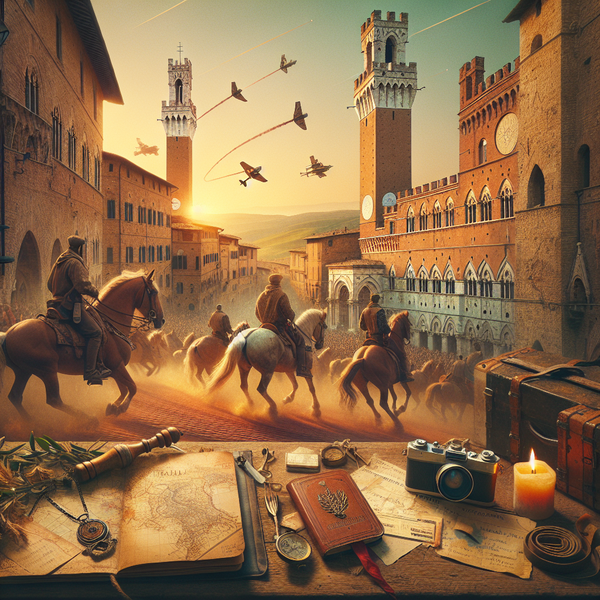
Every July and August, the Piazza del Campo in Siena transforms into a roaring amphitheatre for the Palio di Siena, a horse race first recorded in 1633. Ten of Siena’s 17 contrade (neighborhoods) compete on bareback horses racing around the steep, shell-shaped square. Locals spend months preparing their silk flags and costumes, and it’s almost impossible to understand the event without seeing the emotion in their faces. If you want a good view, reserve a window seat in one of the palazzi overlooking the square through licensed agencies well before spring.
Unlike modern sporting events, the Palio is preceded by days of contrada dinners and blessing ceremonies. Visitors who happen to stay near one of the districts — such as Oca or Torre — can attend open-air meals for a small donation. Dress modestly, and be prepared for extended toasts of homemade Chianti. The race itself lasts only 90 seconds, but the tension carries through the night.
La Giostra del Saracino: Chivalric Elegance in Arezzo
Arezzo’s Giostra del Saracino (Joust of the Saracen) channels the elegance of 13th-century tournaments. Four city quarters — Porta Crucifera, Porta del Foro, Porta Sant’Andrea, and Porta Santo Spirito — send armored knights on horseback to charge at a wooden effigy known as the “Buratto.” The squares and alleyways overflow with parades of musicians, flag-throwers, and citizens in velvet gowns dyed with natural pigments. It usually takes place twice a year, June and September, drawing travelers from across Italy.
What makes Arezzo’s festival stand out is its consistency: the competition follows original statutes from the Middle Ages, and even the flags are designed following heraldic codes kept in the city archive. For an authentic immersion, visit the Museo del Saracino near Piazza Grande to see past costumes and lances before attending the main event.
Calendimaggio di Assisi: Umbria’s Spirit of Renewal
In the Umbrian hill town of Assisi, the Calendimaggio celebrates spring’s arrival with a rivalry between the Parte de Sopra (Upper Part) and the Parte de Sotto (Lower Part). For three days in early May, processions, torchlit parades, and Renaissance choral music echo through the flowered lanes. Each part of town competes through performances, decorations, and period games to earn the symbolic victory of the season’s renewal.
The festivities are deeply participatory. Locals spend weeks preparing medieval taverns that open only during Calendimaggio, serving dishes like roasted pork sandwiches with wild fennel or handmade gnocchi with truffle. To get the best experience, book accommodation within Assisi’s walls so you can move easily between late-night performances and morning processions without relying on transport.
Giostra della Quintana in Foligno: Precision and Pageantry
South of Assisi, Foligno stages the Giostra della Quintana, a jousting tournament revived from 1613 municipal archives. Ten neighborhoods compete in full Baroque attire, with knights galloping around a dusty oval track, aiming to pierce rings with long wooden lances. The “Campi” (practice grounds) are open to visitors in the week before the competition, offering a behind-the-scenes look at how horses are trained and riders prepare.
Don’t miss the historical dinner, where over 800 townspeople dine on chestnut soup, wild boar, and local Montefalco red wine under candlelight. The pageant actually lasts for two weekends — one in June (the preview) and one in September (the challenge). Staying until dusk is worthwhile: the illumination of Piazza della Repubblica with torchlight recalls a world before electricity.
Palio di Ferrara: The Oldest Record in Europe
Ferrara’s Palio may not be as famous as Siena’s, but its historical legitimacy is older, documented as early as 1279. Today, it’s a month-long sequence of events every May, including an official procession of 1,000 costumed participants through Piazza Castello. The races range from donkeys to children’s footraces, each representing different city quarters. Locals especially value the Lion Tower flag parade, which dates back to the Este family’s ducal pageantry.
Travelers can easily combine the Palio with Ferrara’s culinary heritage. Between events, eat cappellacci di zucca — pumpkin pasta filled with nutmeg — at Osteria del Gatto Bianco near Via Ragno. Because Ferrara lies on the Bologna–Venice train line, visiting for a day from either city is straightforward. Reserve race seating at least two weeks in advance through the Comune di Ferrara’s website.
Medieval Festival of Monteriggioni: Life Inside the Fortress Walls
The small Tuscan fortress of Monteriggioni, mentioned by Dante in the *Divine Comedy*, hosts a beloved Festa Medievale each July. The entire walled town turns into a living museum: blacksmiths hammer iron in the piazza, falconers train birds overhead, and jesters roam the ramparts. Visitors pay a small entrance fee (usually around 10 euros) that includes access to evening performances and artisan workshops.
What distinguishes Monteriggioni’s festival from similar fairs is its immersive scale — there are no visible modern signs or lights once you step inside. Payment is made in “grossi,” copies of medieval coins exchanged at the city gate. Come at sunset to watch torches flicker across the battlements, and stay until midnight concerts when the air fills with tambourine rhythms and laughter echoing through the towers.
Medieval Sicily: Erice and Randazzo’s Norman Legacies
Sicily’s medieval pageants blend Norman, Byzantine, and Arabic influences. In Erice, perched above Trapani, August brings the Festa del Balio — a costumed parade celebrating the town’s defensive knights. Locals parade in woolen tunics and metallic armor replicas through alleyways scented with almond pastries. It’s smaller than northern festivals but strikingly authentic; this is the kind of event where the mayor still leads the march.
Further east, in Randazzo near Mount Etna, the Festa del Voto mixes medieval devotion with volcanic folklore. The highlight is the parade of wooden giants symbolizing saints protecting the town from eruptions. This tradition, believed to date to the 15th century, happens every second Sunday of August. Stay overnight to hear the midnight bells echo off Etna’s slopes — an unforgettable soundscape unique to Sicily’s medieval past.
Gubbio’s Corsa dei Ceri: The Fastest Display of Faith in Italy
Held each May 15th in Umbria, Gubbio’s Corsa dei Ceri is technically a religious procession but feels like a chivalric pursuit. Three teams carry massive wooden “candles” — actually eight-meter-tall structures weighing 300 kilograms — up Mount Ingino at a running pace. It honors Saint Ubaldo, Gubbio’s patron, and embodies civic pride more than competition. Streets overflow with yellow, blue, and black banners, representing the three groups.
Due to the steep alleys and the crowd surge, wearing good walking shoes and arriving early (before 9 a.m.) are practical necessities. Watching from Via 20 Settembre offers a good compromise between atmosphere and safety. Many visitors choose to leave town that evening, but staying overnight allows you to witness post-race celebrations with local bands and candlelit dinners.
San Gimignano’s Ferie delle Messi: Celebrating the Harvest Knightly Style
A mid-June event in the UNESCO-listed town of San Gimignano, the Ferie delle Messi revives medieval harvest festivals. The four contrade — San Giovanni, Piazza, Castello, and San Matteo — battle through contests of archery, tug-of-war, and sword displays. The festival commemorates the town’s wealth during the 13th–14th centuries when its towers were symbols of mercantile pride.
A standout moment is the historical procession of nearly 500 participants winding from Porta San Giovanni to Piazza del Duomo. Welcoming taverns open late into the night serving local Vernaccia wine and fennel sausage sandwiches. Parking just outside the city gate (P1 Bagnaia) saves stress on festival days, as inner streets close to traffic by noon.
Practical Tips for Planning Medieval Festival Trips Across Italy
Scheduling your Italian adventure around medieval festivals means balancing pageantry with logistics. Each region maintains its own event calendar, so confirm exact dates with local tourism offices between February and April. Most festivals occur from May to September, aligning with good weather and local holidays.
For a smooth trip:
- Base yourself in smaller towns for a few nights — guesthouses fill early, but locals often rent private rooms advertised through community boards.
- Pack comfortable shoes and light layers; cobblestone streets and evening chills are constant.
- Bring cash, as many taverns and artisan stalls still prefer euros over cards.
Combining multiple festivals in one journey is possible. For example, travelers could attend Calendimaggio in Assisi, then drive 40 minutes to Foligno for the Quintana the following weekend. This approach transforms your trip into a continuous medieval narrative through central Italy.
Why Medieval Festivals Reveal Italy’s True Cultural Soul
These celebrations endure not because they attract tourists, but because they remain part of local identity. Unlike staged “historical days,” Italian medieval festivals are community rituals surviving wars, unification, and modernization. Participating even as a spectator lets you witness civic passion, faith, and artistry alive in real time.
Every color, banner, and song connects directly to the medieval fabric of the peninsula — a heritage still tangible in the narrow lanes and stone piazzas. Plan carefully, show respect for local customs, and Italy’s medieval festivals will offer something no museum can: living history shared between hosts and travelers alike.