Rome’s chaotic beauty is best experienced not from behind a rental car’s steering wheel, but through the rhythm of its public transport. Skip the stress of navigating narrow cobblestone streets and embrace the capital’s buses, trams, and metro lines like a true Roman. The city’s transit system isn’t always punctual, but once you master it, you’ll move through the Eternal City with ease — discovering hidden piazzas, local trattorias, and Baroque churches that you might otherwise miss. Here’s how to use public transportation in Rome like a local, while exploring its wonders on a budget-friendly, authentic adventure.
Go to the section
ToggleWhat to see
Rome’s public transit network connects you to both world-famous landmarks and lesser-known treasures scattered throughout the city. With a single ticket, you can unlock a blend of ancient history, art, and vibrant street life.
Ancient Rome by metro
The **Metro Line B** is your gateway to ancient history. Hop off at *Colosseo* to stand beside the Colosseum, the Roman Forum, and Palatine Hill. These monumental sites are literally steps from the station. Continue one stop south to *Circo Massimo* for a glimpse of the ancient chariot racetrack and the Aventine Hill, where the famous Keyhole View and the Orange Garden await.
Baroque and Renaissance heart via bus
To reach **Piazza Navona**, **the Pantheon**, or **Campo de’ Fiori**, buses are your best option. The No. 64 and No. 40 routes connect Termini Station to the historic center, stopping close to *Piazza Venezia* and Largo di Torre Argentina. Be cautious, though—these lines are convenient but often crowded, especially during midday.
Off-the-beaten-path by tram
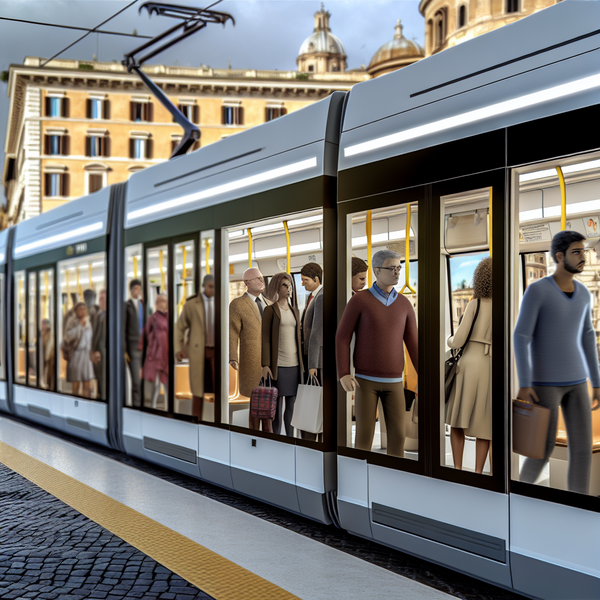
The **Tram 8** line leads to Trastevere, one of Rome’s most atmospheric districts. Ride it from *Piazza Venezia* to *Trastevere Station* and soak up the charm of cobbled streets, ivy-covered buildings, and centuries-old churches. For a serene walk, use the *Tram 19* to reach *Villa Borghese* and the surrounding art museums.
What to do
Rome isn’t just about sightseeing—it’s about experiencing daily life the Roman way. Public transport lets you engage in this rhythm, bringing you to activities beyond the tourist trail.
Join locals in morning rituals
Take Bus 81 or Metro A to *Ottaviano* for a morning espresso near the Vatican. Cafés around *Via Cola di Rienzo* fill with locals grabbing their coffee at the bar before heading to work. People-watch while enjoying a quick cappuccino and cornetto, or stroll through the nearby Mercato Trionfale afterwards.
Evenings in Trastevere
Board *Tram 8* at sunset to arrive in Trastevere just as its nightlife awakens. Explore its light-strung piazzas where locals gather, then grab a spritz at a neighborhood enoteca. After dinner, walk to the riverbanks near *Ponte Sisto* for open-air performers and panoramic views from the Gianicolo Hill.
Shop at local markets
Use Metro B to get to *Piramide*, then walk to the **Testaccio Market**—a favored local haunt. Here, Roman residents buy fresh produce, clothes, and street food. The market is especially lively in the morning. We recommend you try the trapizzino (pizza pocket filled with stews)—a modern Roman invention you can enjoy for under €5.
Itineraries
With a bit of planning, Rome’s public transport allows you to create rich, multi-stop days without breaking the bank. Here’s how you can organize full-day adventures on metro, buses, and trams.
Classic Rome in one day
This itinerary covers the major highlights using Metro and bus:
- Start at *Termini Station* and take Metro Line B to *Colosseo*—explore the Colosseum and Roman Forum.
- Walk or take Bus 85 to *Piazza Venezia*, climb the Victor Emmanuel II monument for panoramic views.
- Walk along *Via del Corso* to reach *Trevi Fountain*, then continue north to *Spanish Steps*.
- Use Metro Line A from *Spagna* to *Ottaviano* for Vatican Museums and St. Peter’s Basilica.
- End your day with *Tram 19* to *Villa Borghese* for a sunset walk in the park.
Hidden gems and local life
A quieter day focused on neighborhoods and culture:
- Take Metro B to *Piramide*, visit the Pyramid of Cestius and the Protestant Cemetery.
- Walk or take Bus 23 to *Testaccio Market* for lunch.
- Board Bus 170 to *Trastevere* and explore Santa Maria in Trastevere church and picturesque alleys.
- Climb or bus up to *Gianicolo Hill* for views over the city at dusk.
- Return via *Tram 8* to *Largo Argentina* for a late-night gelato.
Local cuisine
The best places to eat in Rome are often far from the tourist hubs—yet still easily accessible by public transit. Eating like a local means savoring hearty dishes, sipping local wines, and lingering over meals.
Trattorias near Metro Line B
Exit at *Cavour* or *Piramide* stations to discover lesser-known spots serving authentic Roman food. Around *Monti*, you’ll find cozy restaurants offering classic dishes such as:
- Carbonara – Pasta with egg, pepper, guanciale, and Pecorino cheese.
- Amatriciana – Tomato and guanciale sauce, usually served with bucatini.
- Saltimbocca alla Romana – Veal with prosciutto and sage simmered in wine.
Street food by tram
For fast, affordable bites, ride *Tram 3* or *Tram 19* toward *San Lorenzo*, a youthful neighborhood with great pizza al taglio, porchetta sandwiches, and late-night snacks. Grab a slice from a local bakery or pizza joint and enjoy it on a nearby bench while watching the local vibe.
Markets and quick meals
Rome’s markets are also ideal spots for trying fresh local food without overpaying:
- Mercato Centrale (near Termini via Metro A or B): modern, gourmet stalls with classic Roman fare.
- Campo de’ Fiori (walkable from Tram 8): fresh produce and lunch counters with cheese, cured meats, and focaccia.
- Nuovo Mercato Esquilino: a multicultural food experience near *Vittorio Emanuele* station (Metro A).
Budget tips
Using Rome’s public transport smartly can dramatically reduce your daily travel costs. Here’s how to make the most of it.
Choose the right ticket
Rome’s ATAC system offers various ticket options. For short stays:
- BIT (€1.50): Valid for 100 minutes, including one Metro ride and unlimited bus/tram use in that time.
- 24- or 72-hour passes: Ideal if you plan 4–5 rides per day. They cost less than multiple single tickets.
- CIS (Weekly Pass): Worth it for stays of 6+ days, offering unlimited rides and convenience.
Buy in advance
Tickets are not sold onboard. Purchase them at:
- Tabacchi shops (tobacconists with “T” signs)
- Newsstands
- Metro stations (vending machines and staffed booths)
Validate your ticket on buses and trams immediately after boarding, and before entering metro turnstiles. Fines for unvalidated tickets are steep.
Avoid peak hours
To ride like a local, avoid morning rush (7:30–9:30 AM) and evening crowds (5:30–7:00 PM). Trams and metros are more spacious midday—also ideal for sightseeing. Avoid bus routes like 64 during peak hours if you want a comfortable ride.
Save on transfers
Many must-see sights are within short distances of each other. Mix walking with public transit to reduce rides and discover charming streets. Plan your days so that your travel returns you near where you started—especially useful if you’re using time-limited tickets.
Final thoughts
Navigating Rome via public transportation may seem daunting at first, but getting the hang of it transforms your visit completely. You’ll not only save money and energy, but you’ll also immerse yourselves in the authentic daily rhythm of the city. Rome isn’t just a destination—it’s an experience led by cobbled detours, buzzing piazzas, and the casual brilliance of Romans commuting past millennia-old ruins. Take the bus, hop on that tram, and embrace the Eternal City like a true local.