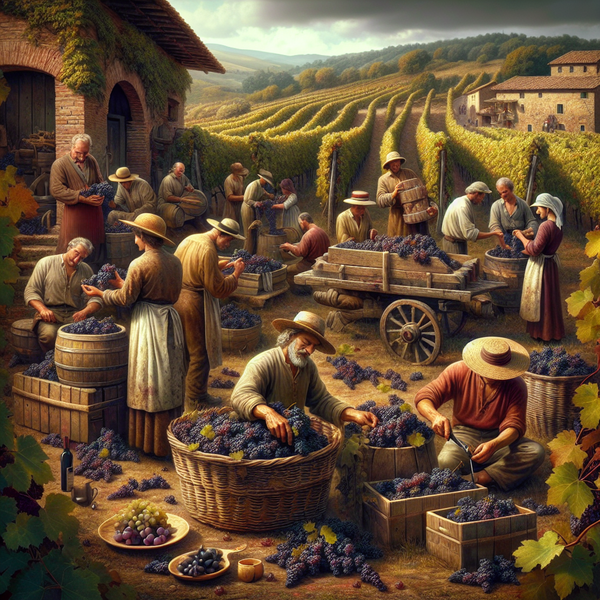
There is something undeniably enchanting about wandering through an Italian market. The hum of friendly chatter, the vivid rows of produce, the rich scent of freshly baked bread and cured meats—all combine to offer a sensory experience that’s as integral to Italian life as the pasta on your plate. But for those looking to step beyond the tourist trail and truly shop and eat like a local in Italy, understanding the rhythm and etiquette of these traditional markets is key. Whether you’re strolling through a bustling piazza in Florence or exploring a sleepy village square in Sicily, this guide will help you experience markets the Italian way—with authenticity, charm, and a touch of culinary adventure.
Go to the section
ToggleWhat to see
Traditional food markets
Italy’s markets are delightful mosaics of the country’s diverse regions. Each market offers a unique snapshot of local culture, products, and flavors.
- Mercato di Campo de’ Fiori, Rome: One of the city’s oldest open-air markets, packed with seasonal produce, spices, and vibrant flowers. Mornings here feel like a film scene come to life.
- Mercato di San Lorenzo, Florence: A sprawling center combining fresh food stalls with artisan goods—perfect for both groceries and souvenirs.
- La Vucciria, Palermo: Gritty and atmospheric, this historic market is where Sicily’s culinary soul comes alive, amid calls from animated vendors and sizzling street food.
Artisanal and specialty markets
Beyond food, you’ll find markets specializing in handmade crafts, antiques, and local products.
- Mercato delle Erbe, Bologna: Nestled indoors, this is a great spot for cheese, wine, and regional delicacies like tortellini and balsamic vinegar.
- Ponte Vecchio stalls, Florence: Though lined with tourists, some stalls still offer authentic handmade jewelry and artisan leather goods.
- Crocetta Market, Turin: A favorite for quality fabrics, homewares, and fine Italian tailoring.
Explore these markets with curiosity—you’ll discover that they’re not just shopping areas, but living museums of Italian tradition.
What to do
Shop like a local
To blend in, take your time. Italians treat market shopping as a social and leisurely affair, often visiting multiple stalls to compare quality and prices.
- Bring cash: While larger city markets may accept cards, most vendors, especially in smaller towns, prefer cash.
- Use a tote or basket: Avoid plastic bags; reusable shoppers are not only eco-friendly but also typical of the Italian market-goer.
- Ask for recommendations: Don’t be shy. Italians love to share their passion for food and will happily suggest the ripest tomatoes or best cheese.
Understand market etiquette
Interacting with market vendors requires a gentle touch of cultural nuance.
- Don’t touch the produce: In many regions, especially in the south, vendors prefer to select the fruit and vegetables for you. Just point and smile.
- Say buongiorno: Greetings are essential—it’s customary and polite to say “good morning” before attempting to make a purchase.
- Be prepared to wait: There’s often a relaxed pace, so embrace it. This is not the place for a quick in-and-out errand
Shopping at Italian markets is equal parts ritual and delight. It’s a chance to observe local life in its most authentic form.
Itineraries
Three-day market-focused itinerary in Florence
Florence is a splendid place to explore if you want to combine culture and cuisine through its vibrant markets.
- Day 1: Start with the San Lorenzo Market. Enjoy fresh pastries and cappuccino nearby, then wander through stalls selling leather goods. In the afternoon, visit Mercato Centrale’s gourmet food court for lunch or aperitivo.
- Day 2: Head to Sant’Ambrogio Market early. Pick up ingredients for a picnic, then cross the river to the artisan stalls of Oltrarno. Spend the evening sipping Chianti wine at a local enoteca.
- Day 3: Enjoy a quieter experience wandering small neighborhood markets like Piazza Santo Spirito. Combine it with visits to lesser-known churches and peaceful garden spaces like Giardino Bardini.
Weekend experience in Palermo
Palermo’s energy and intensity are best experienced through its street markets.
- Day 1: Dive into the chaos of Ballarò Market. Grab a panelle sandwich or arancina, and follow it with a visit to the Norman Palace. In the evening, enjoy Sicilian wine and fresh seafood in the Kalsa district.
- Day 2: Explore Mercato del Capo. Sample sun-dried tomatoes, olives, and fresh ricotta. Spend the afternoon at Mondello Beach or wandering the cathedral complex.
Italian markets are woven into the fabric of daily life. Planning itineraries around them allows you to immerse fully in the culture without rushing.
Local cuisine
What to buy
Markets offer a chance to purchase fresh, local ingredients that highlight the best of regional Italian cuisine.
- Cheeses: Try Parmigiano Reggiano, Pecorino Toscano, or aged Taleggio. Most vendors allow a small taste before you buy.
- Cured meats: Look for Prosciutto di Parma, Bresaola, or spicy Calabrian ‘nduja, depending on the region.
- Seasonal produce: In summer, enjoy heirloom tomatoes and juicy peaches. In fall, hunt for mushrooms, truffles, and radicchio.
- Olive oil and vinegar: Many stalls sell small-batch bottles that make for authentic—and space-efficient—souvenirs.
How to eat like a local
Eating like an Italian means more than just choosing the right dishes. It’s a mindset.
- Eat seasonally: Menus change with what’s available at the market. Ask locals or vendors for what’s in season.
- Aperitivo hour: Early evenings are for unwinding with light fare—olives, cheese, and spritzes—often sourced from nearby market stands.
- Picnic with purpose: With the fresh ingredients you buy at morning markets, assemble a simple picnic and enjoy it in a local park, vineyard, or by a scenic viewpoint.
Food connects you directly to Italian culture. The best meals often come from the simplest ingredients sourced early in the morning from a bustling mercatino.
Budget tips
Avoid tourist traps
Even within popular destinations, there are ways to shop smart. Prices often spike near major attractions, so venture to student zones or residential neighborhoods for genuine deals.
- Compare vendors: Prices can vary for the same goods. Don’t hesitate to walk a few meters to check another stall before making a purchase.
- Go late: Some vendors reduce prices toward closing time to clear out fresh goods. This is ideal for budget-conscious travelers looking for fruit, bread, or prepared foods.
- Skip packaged souvenirs: Instead of tourist-marketed balsamic or limoncello, buy from local producers directly at regional markets.
Eat like a local on a budget
Markets are ideal for travelers who want to taste Italy without sitting in formal restaurants every night.
- Street food: Find affordable local dishes like porchetta sandwiches in central Italy or sfincione pizza in Sicily.
- Local panini shops: Known as “paninoteche,” these often source ingredients fresh from nearby markets and offer generous sandwiches for under €5.
- Self-cater your meals: If you’re staying in an apartment or hostel with kitchen access, shop at the market in the morning and cook your own Italian feast by night.
Italy’s best culinary experiences aren’t always found in upscale restaurants. Often, the simple pleasure of tasting fresh bread and sun-ripened tomatoes on a park bench delivers more satisfaction.
Final thoughts
Traveling through Italy by way of its markets allows you to see the country not just through its landmarks, but through its flavors, voices, and daily rituals. Whether you’re bargaining with a vendor over a wedge of cheese in the Veneto or sipping espresso near a flower stall in Liguria, Italian markets open a door into real life—one that’s vibrant, sensorial, and deeply communal. With a bit of local knowledge and a sense of adventure, you can shop and eat like Italians do: with joy, intention, and delicious reward.