Italy’s cheeses tell a story far older than the nation itself—a story of mountain pastures in Lombardy, volcanic soil in Sicily, and salt air from the Adriatic. To understand Italian food culture, you must taste its cheese where it was born, matured, and eaten by locals. Whether you’re sipping Barolo beside crumbly Castelmagno or breaking Pecorino with honey in a Sardinian agriturismo, each bite reveals how geography shapes flavor more than any recipe could.
Go to the section
ToggleParmigiano Reggiano in Emilia-Romagna: The King of Italian Cheeses
The unmistakable Parmigiano Reggiano, aged between 24 and 36 months, can only be produced in specific provinces—Parma, Reggio Emilia, Modena, and parts of Bologna and Mantua. Early morning visits to a caseificio (cheese dairy) such as Caseificio San Pier Damiani outside Parma let you watch wheels lifted from copper vats, still steaming with milk from the previous night’s collection. The scent is nutty, milky, slightly sweet. Tastings here always include three ages of Parmigiano so you can feel how the crystals become more pronounced over time.
Pair your wedge with Lambrusco, a red sparkling wine also native to Emilia-Romagna. Many locals drizzle thick, syrupy balsamic vinegar from Modena over cubes of the 30-month cheese. If you’re visiting in September, time your trip with the ‘Caseifici Aperti’ weekends when dairy doors open to visitors for free tours and tastings.
Gorgonzola in Lombardy: A Blue Cheese with Centuries of Character
In the small town of Gorgonzola, a short train ride east of Milan, creamy wheels of the namesake cheese rest in humid cellars carved beneath old farmhouses. It’s believed the mold first appeared accidentally when unfinished curd was mixed with fresh milk—now, this accident defines the cheese’s bold, blue-veined identity. There are two main varieties: dolce (sweet and creamy) and piccante (firmer and sharply aromatic).
Visit local affineurs like Arrigoni Battista in Pagazzano, where tours show how each wheel is pierced to let air encourage mold growth. The tasting room often serves it on warm polenta or with pears from the nearby Po Valley—an ancient combination worth trying. Milanese restaurants such as Antica Osteria del Ponte feature Gorgonzola sauce draped over risotto, showcasing how the region uses it beyond the cheese board.
Buffalo Mozzarella in Campania: Soft, Fresh, and Unforgettable
The best mozzarella di bufala comes from the fertile plains south of Naples, specifically the provinces of Caserta and Salerno. The DOP (Protected Designation of Origin) label ensures the cheese is made from fresh water buffalo milk, which gives it an elastic texture and rich tang. Visit Tenuta Vannulo near Paestum, a family-run organic farm where you can watch buffaloes being milked by gentle robots and taste snow-white spheres made just hours before.
Unlike cow’s milk mozzarella, buffalo mozzarella weeps when cut—that milky liquid is a sign of freshness, not excess moisture. For the most authentic experience, eat it the same day it’s made, with nothing but ripe local tomatoes and basil. If you want a lighter version, look for bocconcini, smaller mozzarella balls served at many Salernitan markets.
Pecorino in Tuscany and Sardinia: Sharp, Salty, and Ancient
Pecorino, made from sheep’s milk, is one of Italy’s oldest cheeses. While Tuscany’s Pecorino Toscano is delicate and buttery, Sardinia’s Pecorino Sardo delivers a firmer texture and robust flavor evolved for the island’s dry climate. In Pienza, a hilltop town in the Val d’Orcia, shops like Marusco e Maria let you sample Pecorino fresco (aged about 20 days) up to stagionato (aged over 8 months). You’ll notice hay, walnut leaf, or grape skin coatings—traditional ways to protect the rind.
Sardinia produces an equally captivating version, sometimes finished in caves near Gavoi. If you’re lucky, an agriturismo owner may offer it shaved over roasted suckling pig, the island’s festive specialty. Drizzle the aged Pecorino with corbezzolo honey, made from the arbutus tree—its natural bitterness balances the salty sharpness beautifully.
Taleggio in the Lombard Valleys: Washed Rind, Gentle Aroma
Taleggio might look intimidating with its sticky orange rind, but the flavor is surprisingly mild and buttery. It hails from Val Taleggio, a narrow valley north of Bergamo, where cool alpine air helps it ripen perfectly. Many local grottoes maintain humidity levels above 90%, crucial for the cheese’s creamy interior. In nearby Valsassina, visit the town of Pasturo, home to the historic Ciresa aging caves where Taleggio has matured since the late 1800s.
Order it melted over polenta taragna at a mountain osteria—this mix of buckwheat and corn flour captures northern Italy on a plate. You can even buy vacuum-sealed wedges at local alimentari shops to bring home safely; they travel better than softer cheeses.
Provolone Valpadana in Northern Italy: The Art of Stretching
Provolone Valpadana, found from Cremona to Piacenza, showcases the same curd-stretching technique as mozzarella but aged for weeks or months instead of hours. The result is a semi-hard cheese with flavors ranging from sweet to spicy. You can recognize it by its signature pear shape, often hanging in clusters from Italian deli ceilings. Producers like Auricchio, whose factory store in Cremona offers guided tastings, pride themselves on balancing smoky and sweet notes by controlling brining times precisely.
Try young Provolone sliced thin on warm focaccia, while the aged version works best grated over pasta with anchovies. Locals often enjoy it alongside Mostarda di Cremona, a candied fruit preserve that delivers spicy sweetness—an essential pairing that brings out the cheese’s complexity.
Caciocavallo Silano in the South: Hanging Cheese with Heart
Travel south along the Apennines into Basilicata and Calabria, and you’ll see oblong cheeses dangling from wooden rafters—Caciocavallo, whose name means “cheese on horseback.” It’s traditionally tied in pairs and draped over a pole to dry, hence the name. The DOP variety, Caciocavallo Silano, uses cow’s milk and develops a golden crust after being smoked over beechwood or olive wood embers.
In Molise’s Agnone, artisans at Di Nucci Caseificio welcome travelers to learn the hand-pulling technique and taste slices still warm from the vat. After a few weeks of aging, the cheese develops caramel brown rinds and a faint smoky aroma. Locals grill it until blistered and serve with roasted peppers and rustic bread. Caciocavallo also travels easily, making it an ideal edible souvenir.
Robiola from Piedmont: Soft Elegance in Every Slice
In Italy’s Langhe hills—home to Barolo and truffles—Robiola cheese reflects the region’s gentle hillsides and mixed herds. Some versions use cow’s, goat’s, and sheep’s milk together, giving a balanced flavor profile that’s both tangy and creamy. Producers in Roccaverano near Asti still follow ancient rules limiting the cheese’s size to about 10 cm in diameter and 2 cm thick. The texture varies from soft-spread to almost runny, depending on age.
For the purest version, ask for Robiola di Roccaverano DOP, often sold directly by the farmers’ cooperative Caseificio Alta Langa. Enjoy it simply on toasted bread with chestnut honey or local Nebbiolo wine. Around May, the town hosts a small fair dedicated entirely to Robiola, where tasting booths fill the main piazza and cheesemakers explain their craft in Piedmontese dialect.
Ragusano in Sicily: A Cheese with Sun and Salt
Ragusano, from southeastern Sicily near Ragusa and Modica, stands out for its rectangular shape—each wheel is aged hanging by hemp ropes. Made from whole cow’s milk, it absorbs the saline air drifting from the Mediterranean. Visit Azienda Agricola Fratelli Occhipinti to see cheesemakers stretching curds over wooden tables before immersing them in warm whey.
Look for cheese aged about six months for a mild, buttery taste; older ones are firmer with hints of caramel and herbs. Ragusano pairs beautifully with Nero d’Avola wine or the island’s famous sun-dried tomatoes. In the evenings, locals often fry thin slices on a griddle until golden, a Sicilian comfort food you rarely find elsewhere.
Casera from Valtellina: Alpine Strength
In Lombardy’s northernmost valley, Valtellina, Casera cheese shares shelf space with local wines like Sassella and Inferno. Made primarily in Sondrio province, it’s semi-hard and aged at least 70 days, developing flavors of hazelnut and hay. The cooperative Latteria di Chiuro offers tastings paired with pizzoccheri, the buckwheat pasta cooked with cabbage, potatoes, and melted Casera—a dish that’s inseparable from local tradition.
Mountain dairies open to visitors in summer months; you can hike between them on trails above Tirano that pass alpine farms still milking by hand. The smaller producers often cut wedges directly from the wheel for you to taste on the spot, a rustic pleasure of the Alps.
How to Plan a Regional Cheese Tour Across Italy
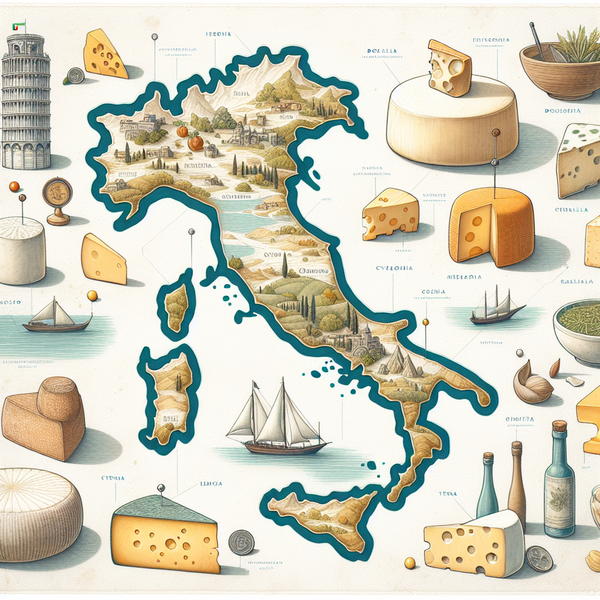
To experience Italian cheese properly, think regionally, not nationally. Begin in Emilia-Romagna for Parmigiano Reggiano, head north to Lombardy for Gorgonzola and Taleggio, continue to Piedmont for Robiola, then south through Tuscany and Sardinia for Pecorino. Plan two to three days in each destination to include visits to dairies, markets, and local enotecas that pair cheese with regional wines.
If driving, note that many dairies require reservations because production areas are small—especially in the Alps and rural south. For genuine interaction, stay in agriturismi on or near dairy farms, where breakfast often includes the cheese made just outside your window. Italy’s culinary treasures are best understood at the source, where milk turns into flavor under a watchful, local hand.