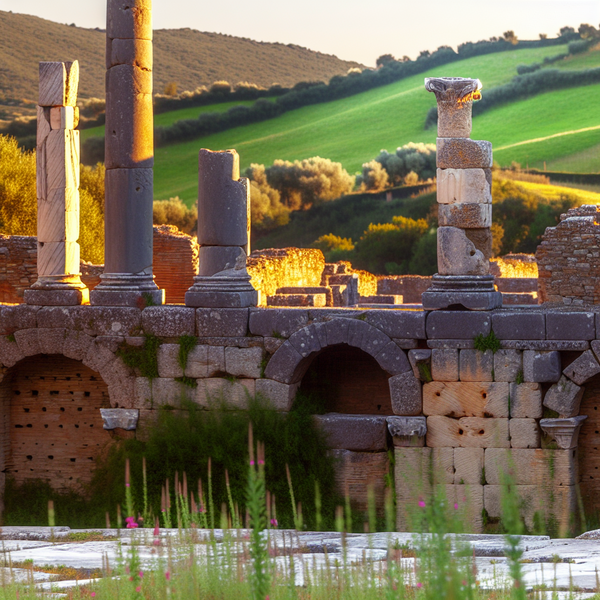
Nestled beneath the rolling hills of the Italian countryside, scattered along the coasts, and hidden in quiet towns lie some of the most remarkable Roman ruins outside of Rome. While the Eternal City steals much of the spotlight, history lovers and cultural travelers will find Italy brimming with lesser-known yet equally awe-inspiring Roman sites. Exploring these places offers a unique and immersive dive into ancient history, often without the throngs of tourists found in the capital. From northern regions to the shores of the south, this guide will lead you through the best Roman ruins beyond Rome, offering practical tips for your journey, including what to see, activities to enjoy, itineraries, culinary delights, and ways to travel smart on a budget.
Go to the section
ToggleWhat to see
Pompeii and Herculaneum – Campania
Few places rival the emotional impact of Pompeii and Herculaneum. Both were preserved under volcanic ash following the eruption of Mount Vesuvius, giving you an extraordinary window into daily Roman life.
- Pompeii: Wander through ancient streets, visit preserved villas like the House of the Faun, and marvel at the amphitheater, frescoes, and bathhouses.
- Herculaneum: A more compact site, ideal if you’re short on time. It offers well-preserved multi-story homes, furnishings, and wooden structures rarely seen elsewhere.
Ostia Antica – Lazio
A short journey from Rome itself, Ostia Antica is often overlooked yet stands as one of the most important Roman ports. Its peaceful setting and fewer crowds make it a delight to explore.
- Walk the Decumanus Maximus and explore the public baths and forum.
- Admire detailed mosaics in the Baths of Neptune and climb to the top of the Roman theater for tranquil views.
Nora – Sardinia
Located along the southern coast of Sardinia, Nora is a coastal archaeological park featuring ruins from both Phoenician and Roman times.
- See the Roman theater, a nearly intact structure still used for performances during the summer.
- Marvel at sea-facing villas with geometric mosaics and the remains of ancient temples and roads.
Verona Arena – Veneto
In the heart of the northern city of Verona stands a perfectly preserved Roman amphitheater still in use today.
- Attend an opera or concert during the warm months — a rare chance to enjoy culture in an ancient setting.
- Explore the underground areas where gladiators once prepared for battle.
Paestum – Campania
South of Naples, Paestum mesmerizes visitors with its trio of majestic Greek temples converted by the Romans.
- Admire the Temple of Neptune and Roman-era forum streets.
- Visit the adjacent museum to learn about burial rituals and local artifacts.
Aquileia – Friuli Venezia Giulia
This UNESCO World Heritage Site offers exceptionally well-preserved ruins of what was once a major Roman trading hub.
- Stroll the ancient Roman road still visible beneath glass panels in the main square.
- Explore the Basilica of Santa Maria Assunta with its stunning 4th-century mosaic floor.
What to do
Take guided or self-guided walking tours
Many of these sites offer both guided and self-guided walking tours. For deeper understanding, we recommend local guides, especially at larger and more complex sites like Pompeii or Paestum. Self-guided apps are also available in several locations and allow for flexible pacing.
Attend live performances
Wherever possible, check local calendars for performances held in Roman amphitheaters. The Verona Arena and Nora Theater regularly host plays and concerts — adding a cultural dimension to your architectural adventure.
Participate in archaeological workshops
Some sites, particularly in Aquileia and Pompeii, offer visitor programs where you can learn excavation basics or contribute to preservation efforts. These programs must typically be booked in advance.
Visit accompanying museums
Several ruins have informative nearby museums that enhance your visit. Notably, Paestum’s archaeological museum and the Museo Nazionale in Naples (which holds treasures from Pompeii and Herculaneum) are among the most enriching stops.
Itineraries
3-day Southern Italy route
- Day 1: Pompeii & Herculaneum – Spend the morning in Pompeii and the afternoon in Herculaneum. Overnight in Naples.
- Day 2: Paestum – Take an early train or drive to Paestum. Explore the temples and museum. Return to Salerno or Naples for overnight.
- Day 3: Naples National Archaeological Museum – Dedicate your final day to viewing relics from the excavated sites.
5-day Central-Northern Italy route
- Day 1: Ostia Antica – Base yourself in Rome and take a short train trip to Ostia. Return to Rome in the evening.
- Day 2: Verona – Travel north to Verona. Explore the Arena and Roman gates. Overnight in the Old Town.
- Day 3: Verona city day – Include other highlights like Castelvecchio and local wine tastings.
- Day 4: Aquileia – Morning train to Aquileia. Visit monuments and the basilica. Sleep in nearby Grado or Udine.
- Day 5: Return via Venice or Trieste – Combine with a cultural stop in either city before concluding your trip.
Day trips from major cities
- From Naples: Pompeii, Herculaneum, and Paestum are easily accessed.
- From Cagliari (Sardinia): Nora is under an hour away by car or shuttle.
- From Rome: Don’t miss Ostia Antica — only 40 minutes by regional train.
- From Verona: Smaller ruins are scattered in the countryside; local tours help uncover hidden gems.
Local cuisine
Eating near Pompeii and Herculaneum
Campanian cuisine thrives with bold Mediterranean flavors. Near Herculaneum, trattorias serve specialties like spaghetti alle vongole or fried anchovies.
- Try pizza fritta (fried pizza) for a local street food option.
- End your meal with a refreshing delizia al limone, a lemon sponge cake unique to southern Italy.
Food in the Veneto region
In Verona, indulge in hearty Northern dishes enriched with risotto and polenta.
- Order risotto all’Amarone cooked with regional red wine.
- Pair with a glass of Valpolicella or Soave wine from nearby vineyards.
Sardinian coastal flavors near Nora
Seafood dominates the menus around Nora. You’ll find dishes like fregola con arselle (toasted semolina pasta with clams) and bottarga (cured fish roe) served on warm crostini.
Where to eat on a budget
- Look for menu turistico lunch specials, which include a starter, main, and drink for a fixed price.
- Visit bakeries that offer takeaway sandwiches and local focaccia for picnics at archaeological sites.
- In university towns like Udine or Naples, small osterias provide regional meals at fair prices.
Budget tips
Transportation savings
- Use regional trains instead of high-speed ones when possible; they’re cheaper and connect most Roman sites.
- Purchase multi-day rail or bus passes if you plan to visit several towns in the same region.
Timing your visit
- Visit in shoulder seasons (spring and autumn) for lower accommodation rates and fewer crowds.
- Check for free museum and site days — often held monthly on Sundays or national holidays.
Entry fees and discounts
- Consider regional tourist cards, such as the Campania ArteCard, which bundles multiple attractions with public transport access.
- Students and EU citizens often receive discounts with proper ID — always carry it with you.
Accommodation options
- Stay in agriturismos (farm stays), which offer rustic charm and local meals at better rates than city hotels.
- Book in smaller towns near the major Roman sites rather than in large urban centers for cost savings.
Planning your visit to Roman ruins beyond Rome unlocks a less-traveled path into Italy’s timeless past. With well-preserved archaeological parks, immersive experiences, and unforgettable local flavors, your journey will blend culture, history, and leisure seamlessly. Whether you’re following a themed itinerary or adding a single stop to your schedule, these destinations promise a rich, authentic experience far beyond the monuments of the capital.