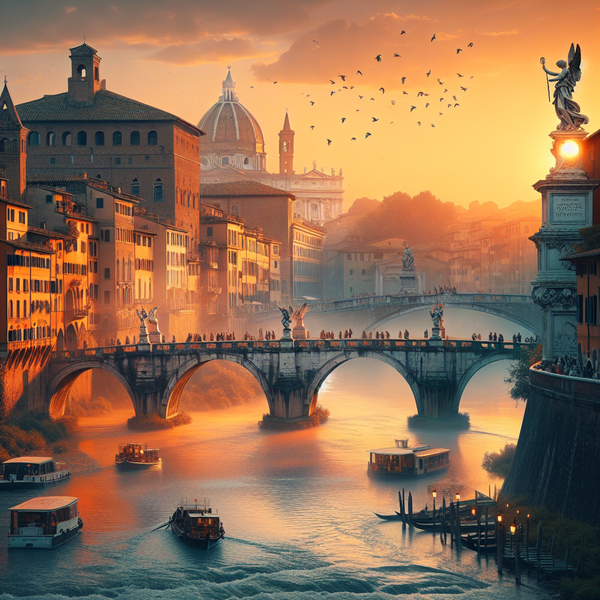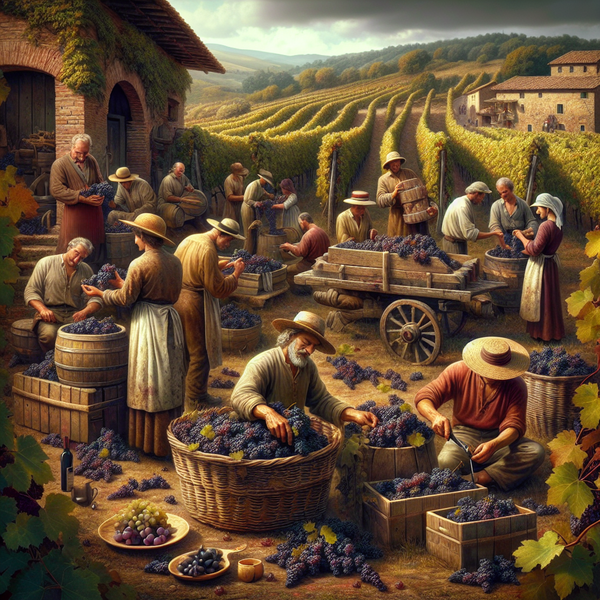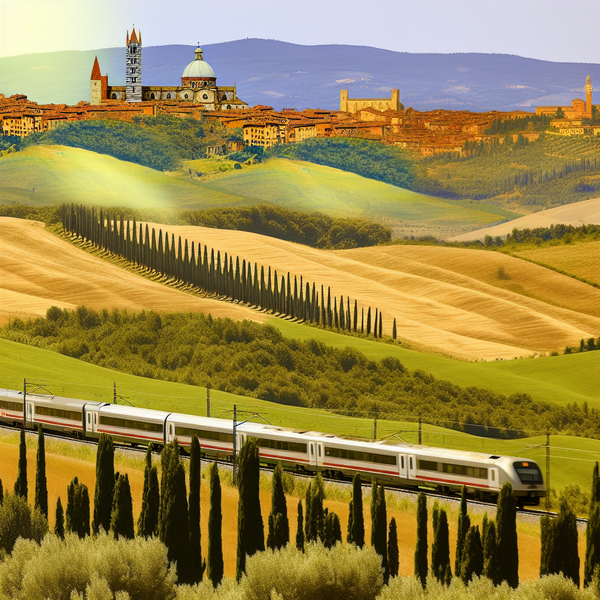
Just a short train ride from the Renaissance heart of Florence lies a treasure trove of enchanting Tuscan towns, each one offering its own unique charm, historic significance, and picture-perfect ambiance. Whether you’re staying in Florence for a few days or a couple of weeks, these towns make for unforgettable day trips that are not only easy to access by public transport but also rewarding in every sense. Forget the hassle of rental cars and complicated itineraries—sit back, relax, and let the rails guide you through Tuscany’s timeless landscapes.
What to see
Pisa
Pisa is more than just its famous leaning tower. Once you arrive at Pisa Centrale station, it’s a pleasant 20-minute walk to the iconic Piazza dei Miracoli.
- Leaning Tower of Pisa: Book in advance to climb to the top of this world-famous monument.
- Pisa Cathedral: A Romanesque masterpiece standing right next to the tower, free to visit with a reserved entry ticket.
- Baptistery and Camposanto: Both beautifully designed and often overlooked, offering deeper insight into Pisa’s religious and artistic history.
Are you exploring the best Italian locations? Get more insights on one of the top online travel platforms.
Lucca
Lucca’s medieval charm is best discovered on foot—or even better—by bicycle.
- City Walls: A tree-lined promenade circles the city entirely, offering sweeping views and a unique walking loop.
- Piazza dell’Anfiteatro: Built on top of a Roman amphitheater, this oval-shaped piazza is lined with cafés and boutiques.
- Torre Guinigi: Climb this medieval tower to see oaks growing on its rooftop garden and enjoy panoramic views of the town.

Arezzo
Often overlooked, Arezzo blends Etruscan heritage and Renaissance splendor without the crowds.
- Piazza Grande: The sloping heart of the city, ideal for people-watching and soaking in the architecture.
- Basilica of San Francesco: Home to Piero della Francesca’s famous fresco cycle “The Legend of the True Cross.”
- Arezzo Cathedral: A peaceful, art-filled escape just a short uphill walk from the city center.
Siena
Easily reachable by direct bus, Siena offers a rich medieval experience and vibrant history.
- Piazza del Campo: The beating heart of Siena, famously shaped like a fan and home to the Palio horse race.
- Siena Cathedral: One of Italy’s most spectacular churches, adorned with black-and-white marble and ornate sculptures.
- Palazzo Pubblico and Torre del Mangia: Climb the tower for incredible views and visit the civic museum inside the palace.
San Gimignano
Although it requires both train and bus, San Gimignano’s towering skyline and cobbled streets are worth the trip.
- Towers of San Gimignano: Known as the “Medieval Manhattan,” don’t miss the chance to climb Torre Grossa.
- Piazza della Cisterna: The central square is surrounded by ancient towers and perfect for a gelato stop.
- Collegiate Church (Duomo): Remarkable frescoes cover the interior walls, portraying biblical scenes spanning centuries.
What to do
Join a local tour
Many towns offer guided walking tours that reveal hidden corners and stories you might otherwise miss. In Lucca, for instance, walking the city walls with a guide provides context for the architecture and military strategy of the town.
Bike along scenic routes
Rent a bicycle in Lucca or Pisa to explore the countryside just beyond the town centers. Paths like the Serchio River Trail or the road from Pisa to the sea are flat and scenic.
Attend local markets
Look for weekly markets which typically occur in the main piazzas. These are perfect for picking up local cheese, cured meats, fruits, and artisan goods. Arezzo’s antique market—held monthly—is one of the region’s most famous.
Visit local museums
From the Pinacoteca Nazionale in Siena, showcasing Sienese art, to Palazzo Blu in Pisa offering rotating exhibitions, there’s always a cultural gem tucked inside these towns awaiting discovery.
Itineraries
Quick half-day trips
- Pisa: With fast trains from Florence (approx. 1 hour), you can explore the main sights in 3–4 hours and be back by dinner.
- Prato: Just 30 minutes away, it’s ideal for those seeking art museums and authentic cuisine without major tourist crowds.
Full-day explorations
- Lucca: Depart in the morning to enjoy a slow-paced day walking the ramparts, savoring lunch, and catching a late train back.
- Arezzo: Explore art treasures, have a relaxed meal in one of the piazzas, and perhaps even catch a local event or performance.
Multi-town combos
If you’re feeling ambitious, try visiting two towns in a day with efficient planning.
- Pisa and Lucca: Visit Pisa in the morning and hop on a quick 30-minute train to Lucca for an afternoon stroll and dinner.
- Siena and San Gimignano: A morning bus to Siena, afternoon connection to San Gimignano, then back to Florence via Poggibonsi bus route.
Local cuisine
What to eat
No visit to Tuscany is complete without indulgent local flavors.
- Cecina: A savory chickpea flour pancake, popular in Pisa and Livorno.
- Pici all’aglione: Thick hand-rolled pasta with a punchy garlic tomato sauce, traditional in Siena and Arezzo.
- Buccellato: A sweet bread with raisins and aniseed, originally from Lucca.
- Crostini neri: Small slices of bread topped with chicken liver pâté, found on most Tuscan antipasto platters.
Where to eat affordably
Great food doesn’t have to come with a hefty price tag.
- Trattorias and osterias: Look for rustic eateries where locals dine—often family-run and reasonably priced.
- Panini counters: Sandwich shops near train stations in towns like Pisa and Arezzo offer quick, delicious bites for under €5.
- Fixed-price menus: Many restaurants offer a lunchtime “menu del giorno” with multiple courses for around €12–€15.
Local wines to try
Tuscan wines are famed worldwide, and these towns offer fantastic opportunities to sample them locally.
- Chianti Classico: Best enjoyed in Siena, where many enoteche offer tastings by the glass.
- Vernaccia di San Gimignano: A crisp white wine that pairs perfectly with pecorino or seafood.
- Rosso di Montepulciano: While not from one of these day-trip towns directly, you’ll find it widely available and worth sampling.
Budget tips
Travel smart with public transport
Opt for regional trains (R — Regionali) instead of high-speed options. Not only are they significantly cheaper, but they also arrive closer to the historic centers of smaller towns.
- Buy tickets in advance for slight discounts, either online or using the Trenitalia app.
- Always validate your paper ticket before boarding, using the yellow machines on the platform.
- Download the Moovit app or use Google Maps to find up-to-date bus schedules, especially for San Gimignano.
Eat like a local
Avoid restaurants located directly in main squares. A street or two away you’ll find better prices and larger portions.
Free attractions
Many of the towns offer open access to their most charming areas:
- Lucca’s city walls: Free to walk or ride along with stunning views of rooftops and countryside.
- Arezzo’s historical center: Wander through fresco-lined streets and discover churches without entry fees.
- Piazza del Campo in Siena: Grab a coffee or picnic in the square and soak in the atmosphere for pennies.
Use combination tickets
In towns like Pisa and Siena, combination tickets can save you money while gaining access to multiple sites. Check official websites or ticket booths for available packages.
Pack a picnic
Buy fresh bread, cheese, cured meats, and seasonal fruits at local markets or grocery stores. Enjoy an authentic Tuscan picnic in a scenic park or quiet piazza.
Conclusion
Tuscany’s magic isn’t confined to Florence. With a well-planned day trip, you can discover tranquil medieval towns, world-class art, culinary delights, and warm hospitality—all easily reachable with public transport. Whether you’re tracing the footsteps of Renaissance masters in Arezzo or admiring Pisa’s surreal skyline, each of these getaways offers a fresh perspective on Italian culture without