Tuscany’s rolling hills and medieval towns may first spring to mind, but hidden among its vineyards and cypress trees are some of Europe’s most enchanting natural hot springs. These thermal baths have been cherished since Etruscan and Roman times, prized for their healing properties and serene locations. Whether tucked away in lush forests or cascading into travertine pools, Tuscany’s hot springs offer a perfect retreat into nature and wellness. From scenic spa towns to secluded natural pools, the region is a haven for those seeking relaxation, rejuvenation, and a touch of magic.
Go to the section
ToggleWhat to see
Saturnia’s cascading thermal falls
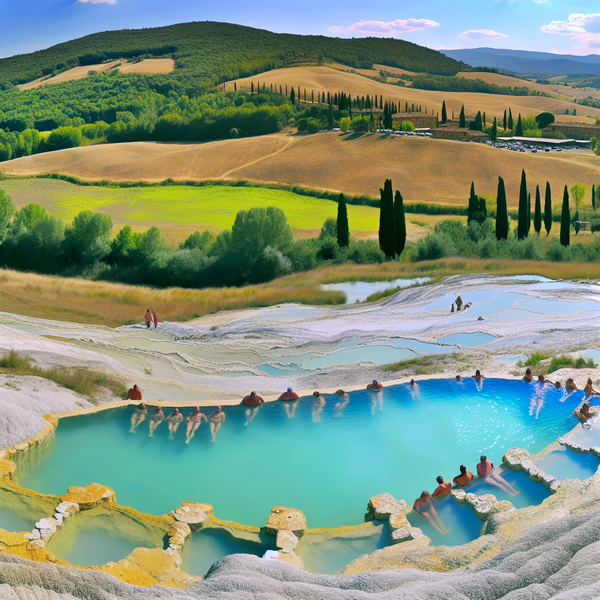
Perhaps the most iconic of Tuscany’s hot springs, *Cascate del Mulino* near Saturnia is famous for its turquoise terraces set in the middle of the countryside. Warmed to an inviting 37.5°C, the thermal waters flow continuously from the spring and form a series of natural pools carved into travertine rock. The sight itself is unforgettable, ideal for those looking to relax in a picture-perfect setting without paying a cent—this site is completely free and open 24/7.
Bagni San Filippo’s white limestone formations
Nested in the Val d’Orcia woods, Bagni San Filippo is more secluded and wilder in feel. The most striking feature here is the *Balena Bianca* (White Whale), a massive calcium formation where steaming water pours over the rocks like a warm waterfall. It’s a great spot for photography, as well as healing soaks under the canopy of trees.
Bagno Vignoni’s thermal square
Unlike most spa towns, Bagno Vignoni has a thermal pool right in the heart of its Renaissance square. Though bathing in the central basin is not allowed, the scenery alone is worth a visit. Just downhill, though, you’ll find free thermal baths open to the public, as well as facilities at nearby hotels offering private spa experiences.
Petriolo’s sulfur-rich hot springs
Close to Siena and surrounded by forested hills, the Terme di Petriolo boast a mix of natural pools along the Farma River and modern spa centers. Its sulfur-rich waters are known for their detoxifying properties. The contrast between the steaming springs and cool river creates a refreshing rhythm of hot-and-cold bathing beloved by regular visitors.
What to do
Soak under the stars
One of the most magical experiences in Tuscany’s thermal springs is night bathing. Sites like Saturnia and Bagni San Filippo are open all day and night, giving you the chance to immerse yourself under a canopy of stars. Bring a flashlight and non-slip shoes, and enjoy the natural quiet broken only by bubbling water and rustling trees.
Treat yourself to a spa package
Many of the spa towns in Tuscany pair their natural springs with luxurious wellness centers. Bagno Vignoni, Chianciano Terme, Montecatini Terme, and Rapolano Terme offer massages, mud treatments, saunas, and thermal therapy tailored to your needs. Whether it’s a half-day detox or a full wellness retreat, these facilities make it simple to indulge.
Combine hiking with thermal bathing
Explore Tuscany’s landscapes by foot, then reward yourself with a relaxing soak. Trails around Bagni San Filippo and Petriolo lead through forests, riverbanks, and quiet hills. It’s perfect for those who want both outdoor adventure and time to wind down.
Join a yoga or meditation retreat
Thermal baths lend themselves beautifully to mindfulness tourism. Several wellness resorts in Tuscany host retreats that combine daily yoga, meditation, and nutritional workshops with access to thermal pools. These programs offer deeper relaxation and a holistic experience that goes beyond the baths themselves.
Itineraries
3-day itinerary: southern Tuscany
- Day 1: Saturnia and Manciano – Start early to beat the crowd at Cascate del Mulino, then explore the medieval charm of Manciano village. Enjoy a countryside dinner with local wine.
- Day 2: Bagni San Filippo – Drive through the scenic Val d’Orcia to enjoy a day of forest bathing and relaxing soaks at Balena Bianca. Consider staying overnight in a nearby farmhouse (*agriturismo*).
- Day 3: Bagno Vignoni – Visit Bagno Vignoni’s historical town square, enjoy a long lunch, and spend the afternoon in a modern spa facility like Albergo Posta Marcucci before heading back.
1-week itinerary: the thermal route
- Day 1-2: Montecatini Terme – Explore the Art Nouveau town, take the funicular to Montecatini Alto, and enjoy steam rooms and salt exfoliation treatments.
- Day 3: Rapolano Terme – Visit Antica Querciolaia or San Giovanni thermal spas. These are family-friendly and great even in winter.
- Day 4-5: Siena and Petriolo – Enjoy Tuscany’s Gothic treasure by day and unwind in Petriolo’s warm waters at sunset.
- Day 6-7: Val d’Orcia thermal circuit – Spend your last days exploring Bagni San Filippo and Bagno Vignoni, perhaps with a winery stop in Montalcino for good measure.
Local cuisine
Dishes to try near the thermal zones
After a soak, nothing feels better than a warm, hearty Tuscan meal. The local cuisine around these spa towns offers rustic flavors and simple ingredients emphasizing quality.
- Pici all’aglione – Handmade thick spaghetti served in a garlicky tomato sauce, perfect after a day spent in the hot springs.
- Cinta Senese pork – A regional specialty served grilled or in stews, offering deep flavor and a connection to local farming traditions.
- Pecorino di Pienza – A slightly tangy sheep’s milk cheese great for picnics or paired with honey and walnuts.
Where to eat
You’ll find plenty of authentic *trattorie* and *osterie* around the thermal areas. We recommend you look for places slightly off the tourist trail to get better prices and true local atmosphere.
- Trattoria Il Vecchio Forno (San Quirico d’Orcia) – Cozy ambiance and a focus on regional ingredients.
- Osteria del Leone (Bagno Vignoni) – Local meats, handmade pasta, and an excellent wine list right in town.
- La Tana del Brillo Parlante (Petriolo) – A rustic eatery near the woods, perfect for long lunches after a soak.
Budget tips
Use the free hot springs
Many of Tuscany’s thermal baths are completely free, making them ideal for travelers on a budget. Cascate del Mulino and Bagni San Filippo are accessible public hotspots—you only need to bring a towel and swimwear.
Visit in the shoulder seasons
Consider traveling in late spring or early autumn to avoid crowds and enjoy mild temperatures. Accommodation tends to be cheaper during these months, and the thermal waters remain just as soothing. Plus, you’ll find fewer tourists and a more local vibe.
Stay in an agriturismo
Instead of hotels, opt for an *agriturismo*—a rural guesthouse often located on working farms. These lodgings provide excellent value with hearty home-cooked meals, tranquil views, and close proximity to thermal baths and trails. Some may even have private hot tubs or thermal features.
Pack smart and save
Bring essentials such as flip-flops, a quick-dry towel, a bathing suit, and a reusable water bottle. Buying these items on-site can be expensive, especially in resort towns. Also, shop at local markets for snacks and picnic ingredients to avoid restaurant prices for every meal.
Book spa treatments ahead
If you’re planning to visit a paid spa facility, look for early bird offers or combo packages online. Booking ahead can often get you a discount and secure time slots, especially during weekends.
Final thoughts
Tuscany’s thermal baths offer far more than just a warm dip—they provide a gateway to relaxation, cultural heritage, and sensory delight. Whether you’re watching the sunrise from Saturnia’s steaming travertine pools or indulging in a massage overlooking the Tuscan hills, these springs are a natural wonder worth exploring. Blending affordability, comfort, and beauty, they promise a journey unlike any other. Let the waters heal, the countryside inspire, and your spirit unwind.