Few countries rival Italy for its density of UNESCO World Heritage Sites—more than any nation on earth. From Etruscan necropolises to Venetian lagoons, Italy offers a living museum under open skies. Visiting them isn’t just about collecting stamps in your travel diary; it’s about understanding how art, architecture, landscape, and daily life have intertwined over millennia.
Go to the section
ToggleUNESCO World Heritage Sites in Northern Italy: From Alpine Peaks to Early Industrial Towns
Northern Italy packs an impressive range of UNESCO sites accessible within short train rides. In Lombardy, the Santa Maria delle Grazie convent in Milan houses Leonardo da Vinci’s Last Supper fresco—viewings are limited to 15 minutes per group, and you must book at least two weeks ahead. A short trip east leads to the Crespi d’Adda workers’ village, Italy’s best-preserved example of 19th-century industrial urban planning; its cobbled streets and still-inhabited factory houses reveal the ideals of paternalistic enterprise.
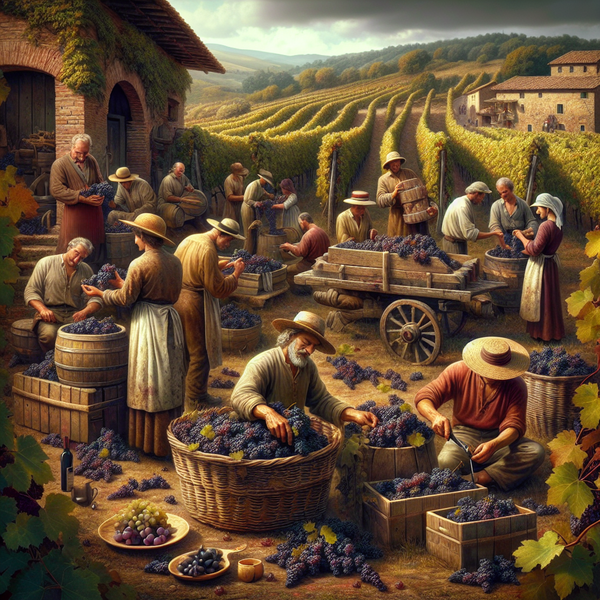
In Piedmont, the world-famous Vineyard Landscape of Langhe-Roero and Monferrato unfolds across rolling hills. Visit during the truffle season (October–November) to see Alba’s open-air markets filled with hunters and tasters. The Alpine arc, meanwhile, protects prehistoric pile dwellings—stilt-house settlements once standing on ancient lakes. The sites around Lake Iseo and Lake Garda can be visited through well-marked trails near the town of Gavardo.
Central Italy’s UNESCO Core: Renaissance Splendor and Living Townscapes
Tuscany and Umbria host some of Europe’s most exquisite cultural landscapes. Florence’s Historic Centre alone could occupy a lifetime of study, yet even a short stay allows immersion in Renaissance genius. Timed museum passes like the Firenze Card simplify entry into the Uffizi, Duomo, and Palazzo Vecchio, saving hours of queueing.
An hour’s drive south, Siena’s shell-shaped Piazza del Campo comes alive during the Palio horse race held twice each summer. For those seeking tranquility, Pienza—a model Renaissance town conceived by Pope Pius II—offers panoramic Val d’Orcia views from its honey-stoned loggias. The entire Val d’Orcia, with its sweeping cypress-lined roads, is itself inscribed as a UNESCO cultural landscape, best explored by bicycle between Montalcino’s Brunello vineyards.
Umbria’s Assisi presents a different layer of spirituality: Giotto’s frescoes in the Basilica of St. Francis practically narrate the birth of Italian painting. Take the early morning train from Perugia to avoid crowds, and don’t skip the quieter lower basilica, where the fresco pigments glow in near silence.
UNESCO Marvels in Southern Italy: Baroque, Volcanoes, and Ancient Cities of Stone
The south tells a different story—more rugged, sun-scorched, yet irresistibly rich. In Campania, Pompeii and Herculaneum remain Italy’s most haunting archaeological experiences. To see fresco details beyond the tour bus routes, visit the lesser-known Villa San Marco in Stabiae, which preserves vivid wall paintings in situ. Nearby stands the Amalfi Coast, where terraced lemon groves seem suspended between rock and sea—local buses from Sorrento to Ravello follow hairpins that double as viewing platforms.
Further east, Matera’s Sassi—ancient cave dwellings carved into limestone—embody a human continuum from prehistoric times to today. Staying overnight in a restored cave hotel lets you feel the humidity and acoustics of these troglodytic homes first-hand. Sicilian UNESCO sites deserve their own itinerary: the Valley of the Temples in Agrigento rivals Athens for pure grandeur, while Noto and Ragusa Ibla epitomize Late Baroque reconstruction after the 1693 earthquake.
Hidden UNESCO Gems Beyond the Tourist Mainstream
Travelers often overlook smaller UNESCO sites that reveal the soul of provincial Italy. The Su Nuraxi di Barumini complex in Sardinia, for instance, predates Rome by a millennium. Its basalt towers and corbelled interiors form the island’s most accessible nuraghe—bronze-age fortresses scattered across the countryside. Guided tours in both Italian and English take place hourly, making it ideal for a one-day detour from Cagliari.
In Friuli-Venezia Giulia, the Archaeological Area and the Patriarchal Basilica of Aquileia hides one of Europe’s largest early Christian mosaics under a single sanctuary floor. Arriving before the afternoon closure (usually 12:30–15:00) ensures you see the glass walkways without the crowds. And for a taste of medieval religious fervor, the Sacri Monti of Piedmont and Lombardy—mountain chapels dotting forest trails—offer scenic pilgrim routes within easy drive of Lake Maggiore.
How to Plan Your Journey Around Italy’s UNESCO World Heritage Sites
Italy’s railway system makes crossing UNESCO regions straightforward once you grasp its rhythm. High-speed lines link Turin, Milan, Florence, Rome, and Naples in under five hours total. Local trains, slower but scenic, connect to many UNESCO towns—Orvieto, Assisi, and Ferrara among them. When driving, use Italy’s Autostrade rest stations for affordable espresso and quickly check regional route updates.
Consider grouping sites thematically rather than geographically. For example:
- Ancient archaeology circuit: Rome’s Historic Centre → Pompeii → Agrigento → Syracuse.
- Art and architecture circuit: Mantua → Verona → Florence → Urbino.
- Landscape and nature circuit: Cinque Terre → Dolomites → Val d’Orcia → Mount Etna.
Timing also matters. Spring and autumn offer mild weather and manageable crowds. Most UNESCO sites run cultural events—music in Verona’s Roman Arena, open-air cinema in Matera, fresco restoration workshops in Padua—that give richer context than a quick photo stop.
Responsible Travel to Italy’s UNESCO Sites
Respecting these places is as important as visiting them. Always follow signage dictating photo restrictions—many frescoed interiors prohibit flash to protect pigments. Refillable water bottles are accepted almost everywhere; you’ll find public fountains even in historic centers, notably in Rome’s nasoni spouts. Purchase combined tickets when possible: they generate funds for preservation while saving you money.
Some regions, such as the Dolomites and Cinque Terre, actively encourage sustainable access via shuttle buses and hiking passes. Staying overnight—rather than day-tripping—spreads tourism benefits and lets you experience the sites after the crowds withdraw. Local trattorie near UNESCO zones frequently serve heritage dishes: try pici all’aglione in Pienza or arancini in the baroque lanes of Noto.
Final Thoughts: Seeing Italy Through Its World Heritage Lens
By tracing Italy’s UNESCO World Heritage Sites, you follow humanity’s longest-running exhibition. Each region—whether Piemonte’s vinified slopes or Sicily’s volcanic temples—displays a different chapter in the same story of cultural continuity. The reward for slowing down and connecting these layers isn’t merely a collection of sights but a deeper sense of how Italians inhabit history in their everyday lives. That, ultimately, is the true heritage worth traveling for.