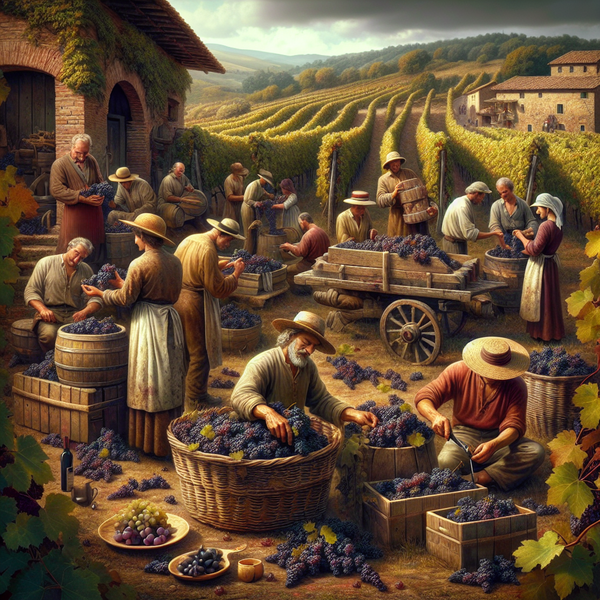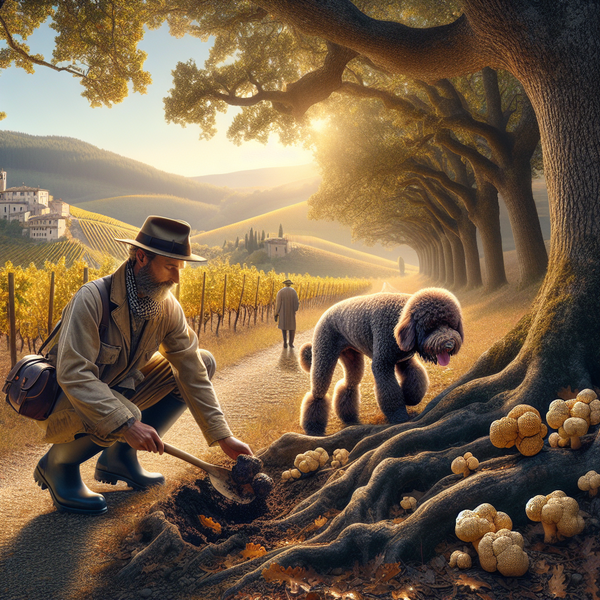
Few experiences reveal Italy’s deep connection to land and tradition quite like truffle hunting. Beyond the gourmet plate, truffles tell the story of misty woodlands, trained dogs, and families who’ve guarded secret forests for generations. From Piedmont’s Langhe hills to Umbria’s oak groves and the Adriatic ridges of Molise, truffle hunting isn’t just an activity—it’s a doorway into rural Italy at its most authentic.
Go to the section
ToggleTruffle Hunting in Piedmont’s Langhe: Alba and the White Truffle Heartland
The Langhe region in southern Piedmont is the undisputed capital of truffle hunting in Italy. The white truffle of Alba—known locally as Tuber magnatum Pico—is celebrated every autumn with the Fiera Internazionale del Tartufo Bianco d’Alba, typically running from early October through November. Villages like Montà, Roddi, and Monforte d’Alba organize guided truffle hunts that begin at dawn, when the earthy aroma is strongest in the damp soil.
Local hunters, called trifolao, head out with their dogs—rarely pigs anymore, since dogs are gentler on the delicate roots. A morning tour usually lasts about two hours and can be booked directly through consortia like the Ente Fiera di Alba or small agriturismi such as Casa Scaparone or Cascina Baràc. Comfortable walking shoes and a waterproof jacket are essential, as most hunts take place in hilly woodland where footing can be uneven.
Once you return, many hosts prepare simple tastings: homemade tajarin pasta tossed with shaved white truffle, paired with a glass of Barolo or Nebbiolo. For travelers seeking a deeper immersion, consider visiting Alba in midweek rather than weekends to avoid crowds and secure better guide availability.
Authentic Truffle Hunting in Umbria: Norcia, Spoleto, and the Nera Valley
If Piedmont is about prestige, Umbria is about rural intimacy. Around Norcia and Spoleto, the black truffle—especially the prized tartufo nero pregiato—grows under dense oak and hazelnut forests. Many local families have turned their generational foraging skills into visitor-friendly experiences without losing authenticity. Companies like Urbani Tartufi near Scheggino and smaller outfits in Trevi or Sant’Anatolia di Narco offer half-day hunts year-round, followed by cooking classes or countryside picnics.
The main truffle seasons vary: winter (December to March) for black truffle and late summer (August to September) for the rarer scorzone. Most tours begin at sunrise, meeting at a farmhouse where you’re outfitted with boots and introduced to your canine guide. Unlike in restaurant tastings, here you can touch the freshly unearthed truffle, noting its textured skin and faint aroma before it’s brushed clean and weighed.
After the hunt, stay in agriturismi like Il Gallo nel Pozzo in Spello or Palazzo Seneca in Norcia. These hotels often arrange their own private tours, making logistics smooth for travelers without a car. Make sure to book ahead if your visit coincides with the Nero di Norcia fair, when availability tightens sharply.
Truffle Trails in Tuscany: San Miniato, Crete Senesi, and Mugello
Tuscany offers some of Italy’s most accessible truffle hunting areas, particularly for travelers based in Florence or Pisa. The town of San Miniato between Pisa and Florence is famous for its white truffle festival every November, but its woodland slopes produce truffles almost year-round. Local guides such as Savini Tartufi or Truffle in Tuscany operate small-group excursions where you meet your truffle hunter and his dog, stroll through managed forests, and finish with a rustic tasting and Chianti wine.
For a more offbeat experience, try Mugello—north of Florence—where black truffle and bianchetto truffles thrive in chestnut forests. The Crete Senesi near Siena, on the other hand, offer moody clay landscapes ideal after October rains. Driving between sites is straightforward along SR439, though it’s worth hiring a local driver if you want to taste wines afterward. Bring layered clothing and shoes you don’t mind muddying; hunts proceed even in drizzle because moist soil aids scent detection.
In small Tuscan villages, truffle hunting still feels private and personal. Afterward, join a family table meal of bruschetta with butter and shaved truffle, an experience that feels more like joining Sunday lunch than booking a tour.
Hidden Truffle Hunting Destinations in Le Marche and Molise
Far from the crowds, the central region of Le Marche and the southern region of Molise have emerged as sustainable truffle hunting destinations. Around Acqualagna, near Pesaro and Urbino, truffle production rivals that of Alba, yet prices and crowds remain gentler. The town hosts multiple fairs each year—white truffles in autumn, black winter in February, and bianchetto in spring—making it a convenient pick for spontaneous travelers. Guided hunts through the Carp Valley or Monte Nerone national forest can be booked via the Acqualagna Truffle Museum or local cooperatives.
Molise, though lesser known, produces several varieties including the summer black truffle near Isernia and Campobasso. Local associations like MoliTartuf in San Pietro Avellana offer personal hunts that conclude with rustic farmhouse meals of scialatielli pasta and truffle omelets. It’s one of the few regions where regulations permit tourists to actively participate rather than merely observe, creating an unusually hands-on experience. Roads are narrow here; expect a 2-hour drive from Naples or 3 hours from Rome, so an overnight stay in Agnone or Venafro is practical.
Like Piedmont, both regions require truffle hunting permits for guides, ensuring environmental respect. Most licensed hunters willingly share insights about soil types, dog training, and forest stewardship—details that add a real educational value to your experience.
Planning Your Truffle Hunting Trip: Seasonality, Etiquette, and Sustainability
Truffles have distinct harvesting periods depending on type and region. White truffles typically appear from late September to December, black truffles peak in winter, and summer truffles are found from May to August. Before booking, check local tourism boards for open hunting seasons—guides can only operate legally during designated months. Knowing the calendar ensures you experience an authentic, lawful hunt.
Etiquette matters: never pocket a truffle or scatter soil before the hunter’s permission, as the ecosystem depends on careful digging. Always wear non-slip hiking shoes; trails can be muddy even after short rain. Most tours are weather-dependent, but light rain often enhances scent intensity, making for better finds. Truffle dogs, typically Lagotto Romagnolos, are highly trained, and you’re encouraged to engage with them but avoid distracting them during the active search.
Sustainability is becoming central to modern truffle hunting in Italy. Many regions now impose quotas to prevent overforaging. Choosing guides affiliated with local consortia helps maintain forest health and supports rural economies. Ask if your guide follows sustainable replanting practices—some sow oak seedlings infused with truffle spores to renew the habitat for future generations.
How to Buy and Taste Truffles Directly from the Source
Experiencing the hunt is only half the pleasure—the other is tasting the reward. In markets like Alba, Norcia, or Acqualagna, you can buy fresh truffles directly from certified sellers. Ask for the official regional inspection tag; genuine truffles are never identical in size or perfectly spherical. Prices fluctuate daily based on size and aroma strength, so visiting early morning gives you the best selection and guidance from sellers who often harvest themselves.
To enjoy truffles responsibly, simple dishes work best: scrambled eggs or handmade pasta lightly buttered. Many agriturismi offer cooking workshops right after hunts, teaching how to clean, slice, and store truffles (vacuum-sealed in rice or in a jar with eggs to infuse aroma). Buying locally supports smaller producers and ensures freshness unmatched by export markets. For travelers flying home, check import restrictions—most countries allow small quantities of cleaned truffles in sealed containers.
Combining Truffle Hunting with Other Regional Experiences
Truffle regions often coincide with other uniquely Italian pleasures. In Piedmont, a morning hunt can pair with Barolo wine tastings in La Morra or Monforte d’Alba. Umbria’s hunts fit neatly between visits to Montefalco’s Sagrantino vineyards and Assisi’s basilica. Tuscany’s forests near San Miniato are close to Lucca and Pisa, allowing day travelers a blend of nature and culture. Meanwhile, the low-profile routes of Molise and Le Marche lead through hilltop villages where you might catch local cheese-making or olive harvest demonstrations depending on the month.
For travelers without a car, guided day trips from Florence, Perugia, or Turin are widely offered and usually include transfers, boots, and tastings. However, renting a car opens remote areas like Acqualagna’s ridges or Norcia’s Apennine valleys, where solitude enhances the atmosphere. Plan routes carefully; mobile signals can be weak in certain woodland areas, so download maps offline before departure.
Above all, approach truffle hunting as a form of slow travel. It’s about following the rhythm of the forest and the instincts of a well-trained dog. Whether you unearth a golf ball–sized treasure or simply enjoy a misty walk among oaks, the day will deepen your appreciation for Italy’s culinary landscapes and the people who protect them.