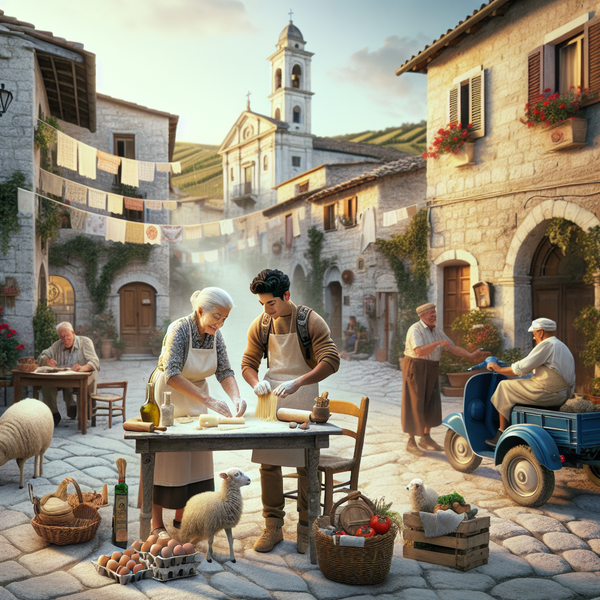
The cobblestone streets, the aroma of slow-simmered sauces, and the hum of a late-night conversation over espresso—Italy’s dining culture is undeniably enchanting. But when visiting the country, it’s easy to fall into cleverly disguised tourist traps masquerading as traditional osterias. Whether you’re in Rome, Florence, Naples, or a sleepy hill town in Tuscany, finding an authentic Italian restaurant can feel like an art form. In a country where meals are sacrosanct and regional identity is fiercely protected, choosing the right place to eat can elevate your trip from memorable to truly unforgettable.
Go to the section
ToggleWhat to see
Signs of authenticity in plain sight
As you wander through Italy’s most picturesque destinations, pay close attention to the small details. While it’s tempting to try a place right next to a famous landmark, authentic dining experiences typically lurk outside the spotlight.
- Language on the menu: If the menu is in five languages, it’s often aimed at tourists. Authentic spots usually have menus in Italian, perhaps with short handwritten translations in English.
- Daily specials: Most family-run trattorias feature seasonal, handwritten specials (“piatti del giorno”) based on fresh local ingredients.
- Simple decor: Avoid restaurants with oversized laminated menus and flashy signage. Instead, look for modest interiors filled with locals.
Neighborhoods worth exploring
In major cities, authentic eateries hide in quieter neighborhoods away from the bustling tourist centers.
- Rome: Skip the crowded areas near the Trevi Fountain and explore Trastevere or Testaccio—both rich in culinary tradition.
- Florence: Wander past the Duomo into neighborhoods like Oltrarno, where traditional osterias thrive.
- Venice: Walk beyond San Marco into Cannaregio to find true “bacari” (Venetian wine bars) serving cicchetti to locals.
These lesser-known areas not only offer more authentic food but also let you experience the everyday rhythm of Italian life.
What to do
Observe local habits
Knowing how Italians interact with their food culture helps you identify restaurants that reflect genuine culinary customs.
- Timing matters: Italians typically dine after 8 PM. Restaurants packed with locals during this time are likely authentic.
- No rush: In Italy, dinner is a social event. Authentic places do not hurry diners and rarely turn over tables quickly.
- Reservation culture: Locals usually reserve tables even for causal meals. A packed restaurant with handwritten reservations on the tables is a positive sign.
Use your senses
Beyond menus and locations, trust your instincts, and use all five senses.
- Listen: Is Italian the dominant language among guests and servers?
- Smell: Can you smell herbs, grilled meats, or freshly baked focaccia as you walk by?
- Look: Does the food resemble rustic, home-cooked meals or overly stylized “Instagram-ready” plates?
These sensory clues often distinguish honest trattorias from glossy tourist-focused restaurants.
Itineraries
Rome foodie route
Start your journey in Trastevere with a morning espresso at a quiet corner bar, then walk to the Testaccio neighborhood—known for its culinary legacy. Visit the Testaccio Market for fresh produce and Roman street snacks. For dinner, head to a local family-style trattoria like those on Via Mastro Giorgio and look for traditional Roman dishes like carbonara or coda alla vaccinara.
Florence culinary walk
Begin across the Arno River in the Oltrarno neighborhood. Enjoy lunch at a converted wine cellar serving ribollita and pappa al pomodoro. Then head toward the San Lorenzo Market to sample regional cheeses and salumi. In the evening, avoid the overcrowded piazzas and dine in artisan-dense areas on the edges of Centro Storico.
Naples pizza pilgrimage
Start early with a sweet sfogliatella and a cup of Neapolitan coffee from a local bakery. Spend your afternoon tasting pizzas from independently owned pizzerias outside the Spanish Quarter. Look for spots using wood-fired ovens and a concise pizza menu—often under a dozen options, focusing on the classics like Margherita and Marinara.
Venetian bites through Cannaregio
Take a stroll through this quiet neighborhood dotted with traditional ombre (small glasses of local wine) and cicchetti bars. Begin with an early evening bacaro crawl, sampling everything from baccalà mantecato to grilled polenta. The best bacari have standing room at the bar and a daily selection of morsels behind the counter.
Local cuisine
Read between the menu lines
Authentic menus honor local ingredients and avoid international fusion. A trattoria in Bologna will not serve “penne Alfredo,” and good luck finding spaghetti Bolognese—because it doesn’t exist in local tradition.
- In the north: Look for rich risottos, polenta, and slow-cooked meats like ossobuco or brasato al Barolo.
- In central Italy: Expect hand-rolled pasta and dishes like pici all’aglione or wild boar ragù.
- In the south: Fresh seafood, fried delicacies, and vibrant vegetables define the cuisine—don’t miss dishes like pasta alla Norma or frittura di paranza.
Spotting frozen or pre-made food
Avoid places where the menu offers an overwhelming number of dishes from multiple regions—it suggests reliance on frozen products or pre-made sauces.
- Short menus: A concise menu indicates a focus on daily fresh ingredients and seasonal cooking.
- House specialties: Authentic restaurants take pride in a few standout dishes known by the locals.
- Transparent kitchens: Many real trattorias allow you to peek into the cooking area—an open kitchen or dishes brought directly from the back is a good sign.
Budget tips
Eating well without overspending
Authenticity doesn’t have to come at a high cost. In fact, many tourist traps charge inflated prices for subpar food. Look for places where Italians themselves eat during the week.
- Prix-fixe lunch menus: Many trattorias offer a fixed-price lunch of two courses and a drink for a fair price.
- Avoid cover charges: While the “coperto” is standard in many regions, some tourist traps charge excessive fees—check the menu footnotes before ordering.
- Skip the bread if unnecessary: You’re often charged for bread even if you don’t eat it. Politely refuse it to avoid paying extra.
Embrace aperitivo culture
Evening “aperitivo” is a delicious and budget-friendly way to sample food and experience local culture. For the price of a drink, you often gain access to a small buffet or selection of gourmet nibbles.
- Milan: Aperitivo is practically an art form, with spreads that can pass for dinner.
- Bologna and Turin: Expect cured meats, cheeses, and even pasta tastings included in the price of a cocktail or wine.
- Venice: Try aperitivo hour at a canal-side bacaro for wine and small bites in an authentically local setting.
Shop local markets
If you’re staying in a rental or simply want an afternoon picnic, consider shopping in local markets.
- Buy pane di Altamura, local cheeses, sun-dried tomatoes, and fruit for a fraction of the restaurant price.
- Markets allow you to interact with vendors, ask for samples, and learn more about regional specialties.
This is not only a cost-effective strategy but also a delightful way to immerse yourself in daily Italian life.
Conclusion
Finding authentic Italian restaurants requires a little curiosity and a willingness to venture beyond the busy squares and main streets. Italy’s heart beats in its neighborhood trattorias, where nonnas stir pots behind the scenes and waiters can tell you exactly which farm supplied the day’s vegetables. By following the signs, staying alert to local customs, and trusting your senses, you’ll sit at tables where Italian food is more than a meal—it’s a legacy. So next time you’re in Italy, steer away from laminated menus and toward the fragrance of garlic and fresh herbs wafting out of an unassuming doorway. That’s where the magic of real Italian cuisine lives.