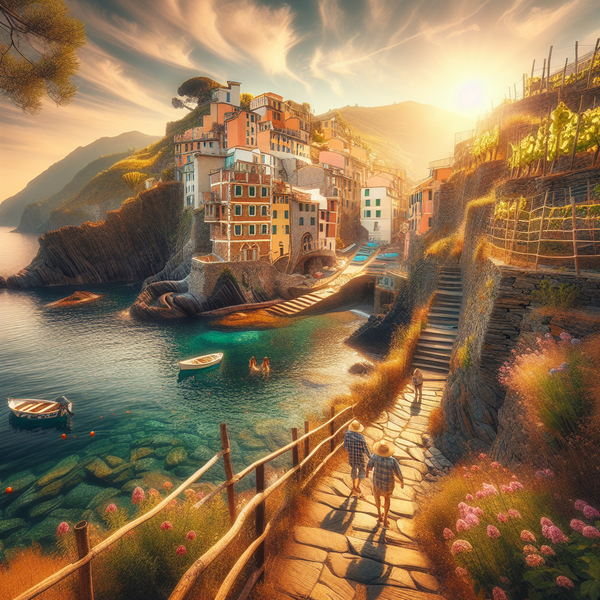
The pastel villages of Cinque Terre cling to cliffs that tumble into the Ligurian Sea, but if you’ve only seen them in high-summer photos stuffed with selfie sticks, you haven’t met the real place. Visiting these five villages—Monterosso al Mare, Vernazza, Corniglia, Manarola, and Riomaggiore—outside the busy months rewrites the story completely. The sea still glows turquoise, but the trails open up and restaurant owners have time to chat. The trick is knowing when to visit Cinque Terre without the crowds—and what trade-offs each quieter season brings.
Go to the section
ToggleEarly Spring in Cinque Terre: March and April for Seaside Stillness
By early March, almond trees start to blossom on the steep terraces around Corniglia. Early spring is ideal if you want to hear birdsong instead of backpack zippers. Trails like the Sentiero Azzurro (Blue Trail) often reopen after winter maintenance, and temperatures hover between 12–18°C, pleasant enough for hiking in a light jacket. Accommodation rates in Vernazza are usually 20–30% lower than in June, yet most family-run guesthouses have reopened for the year.
The main compromise? Some beach facilities in Monterosso still sleep under their protective tarps, and the ferry service along the coast may not operate daily until mid-April. But the village trattorias serve anchovies caught days earlier, not the flash-frozen imports used during busy tourist weeks. Even better, you can photograph Manarola’s vertical pastel stack from the famous Punta Bonfiglio viewpoint without waiting your turn.
Late Autumn Charm: October and Early November Over Summer’s Frenzy
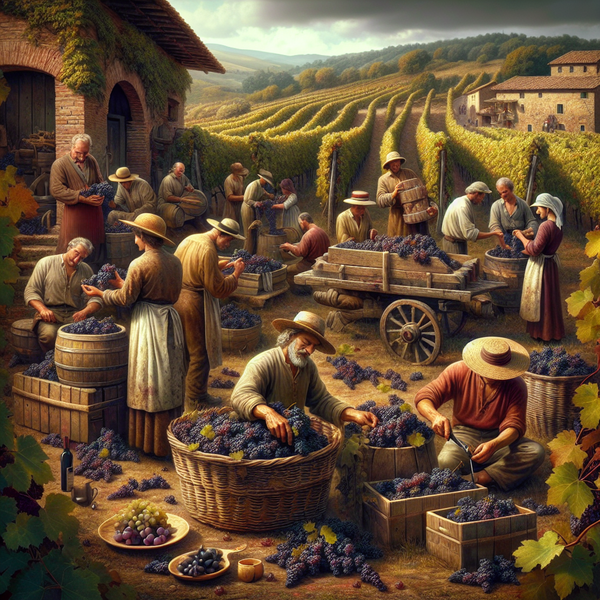
If I had to name one window that blends warm seas, harvest energy, and local authenticity, it’s from the end of September through mid-November. Vine terraces above Riomaggiore turn gold, and small-scale wine producers like those in Groppo hold tastings of their dry white Sciacchetrà in converted stone cellars. The sea remains around 20°C until mid-October, inviting late swims below Vernazza’s small harbor, usually watched by only locals and a cat or two.
Train connections on the Cinque Terre Express still run frequently, usually twice hourly, but car traffic diminishes, making local buses between the hilltop hamlets actually punctual. The only caution: days shorten fast, and trails can close after heavy rains. Carry a flashlight if you linger at the Riomaggiore Marina for sunset—it happens before 6 PM by mid-November.
Winter in Cinque Terre: Quiet Beauty Between December and February
Winter turns Cinque Terre into something intimate—a set of villages that seem to inhale after a long tourist season. In January, you might share Vernazza’s main piazza with three locals and a dog. Some restaurants close, but family-run spots such as those tucked behind the Manarola church often serve simple pansotti with walnut sauce by reservation only. The average daytime temperature hovers around 10°C, and the winter Ligurian light gives the sea a silvery tone rarely captured in postcards.
Train service reduces slightly but remains the best way to hop between the villages. Hiking trails stay open unless safety barriers appear after storms; if you catch a sunny week, you can walk from Monterosso to Vernazza and meet fewer than ten other hikers. For photographers, this is the only time when long exposures at sunset leave the lanterna—the old lighthouse of Manarola—without any human silhouette in frame.
Shoulder Weeks in May and Early June: Perfect Balance Before the Surge
Between mid-May and mid-June, the Cinque Terre balances warm weather (often 22–26°C) and manageable crowds. Train cars fill but still allow seating, and the ferries between Monterosso and Portovenere start full daily schedules. You can swim before noon, hike before the sun grows strong, then linger over lemon granita in Riomaggiore without the shoulder-to-shoulder frustration that comes by July.
Locals know that trails like the Vernazza–Corniglia path, which usually attracts thousands in midsummer, remain peaceful during school term weeks. This is the best period for photography: sunrise hits the houses from a low angle, and you can capture Manarola’s reflection in still water below the marina before breakfast. Always book accommodation early, since local B&Bs often fill with savvy travelers chasing this same sweet spot.
Practical Tips for Experiencing Cinque Terre’s Quiet Side
Even off-season, planning matters. Most visitors rely on regional trains running between La Spezia and Levanto; in low months (January–March), frequency can drop to once an hour, so check schedules at Trenitalia.com before setting out. Keep small coins handy—trail access passes sometimes can’t be bought with cards outside of peak periods. If you carry hiking poles, remember that stowing them on trains is required during busy weekends to avoid fines.
In shoulder months, book restaurants directly rather than through apps—many family trattorias prefer calls, especially in Corniglia where mobile data can be unreliable. For weather watchers, late October and early February produce dramatic cloud formations over Vernazza’s harbor; local photographers head to the Belvedere viewpoint above the castle just after rainfall when sunlight breaks the mist for five minutes of magic.
How Local Life Shapes the Off-Season Atmosphere
Visiting without the crowds means seeing the rhythms of daily living. Fishermen in Manarola still mend nets by hand near the boat ramps at dawn, and villagers bring olive branches to the same stone presses their grandparents used. During quieter times, conversations spark easily—a glass of limoncino offered after dinner, a quick recipe tip from a shopkeeper. These encounters simply can’t happen in July when 3,000 cruise passengers descend in a morning.
Local schools in Monterosso host small harvest festivals around late October where you can taste farinata from communal ovens and watch students sing folk songs. None of this is advertised; you’ll hear the announcements over crackling loudspeakers as you walk through the narrow carruggi (alleys). That’s when Cinque Terre feels like a living set of villages rather than a postcard display.
Month-by-Month Breakdown for Avoiding Crowds in Cinque Terre
- January–February: Locals only; ideal for solitude, but expect limited dining options.
- March–April: Blossoming terraces and reopening trails, still affordable.
- May–mid-June: Balanced crowds, full services, great temperatures for hiking and swimming.
- July–August: Avoid if serenity matters. High temperatures and overcrowding.
- September–October: Harvest warmth and festivals, lighter crowds.
- November–December: Quiet again; moody skies perfect for photography.
This rhythm resets every year. Learn it once, and you’ll never battle the crush again. The vision of Cinque Terre that magazines print—the pristine, sunlit, unhurried village by the sea—actually exists. You just have to meet it in the right season.