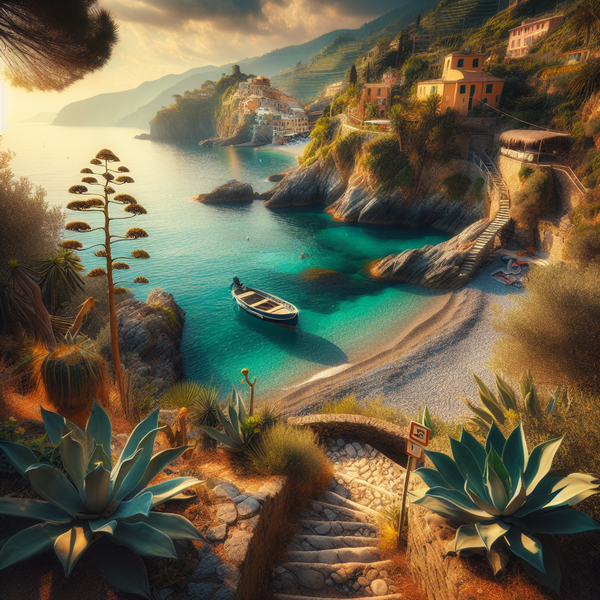
The Italian Riviera may conjure images of chic umbrellas in Portofino or boats bobbing in Monterosso, but those who live here know a different rhythm of the sea. Hidden coves, reachable only by footpaths or slow coastal trains, reveal how Ligurians have always preferred their beaches — small, rocky, and secret. Finding these beaches isn’t about a checklist; it’s about slipping below the radar of guidebooks and listening to how locals talk about the sea.
Go to the section
ToggleUnderstanding the Geography of Secluded Beaches on the Italian Riviera
The Riviera stretches just under 350 kilometers from Ventimiglia near the French border to La Spezia on Tuscany’s edge. It’s split into the western Riviera di Ponente and the eastern Riviera di Levante. The Ponente is wider and sandier, hiding its secrets behind pine-covered dunes, while the Levante is steep, dramatic, and carved with narrow trails that end in pebbly coves. To reach the most secluded spots, you often start from train stations like Framura or Bonassola — tiny stops wedged between tunnels and cliffs.
Many hidden beaches are accessible only through *sentieri costieri* (coastal trails). These paths, well-marked by the Italian Alpine Club with red-and-white stripes, are public. For example, the *Sentiero Verde-Azzurro* links multiple towns along the Levante, and spur trails from it drop quietly to sea level. A solid pair of walking shoes and 1.5 liters of water per person make these small adventures feasible even on a day trip.
Hidden Beaches in Riviera di Levante Worth the Effort
In the Levante, the terrain hides jewels just beyond well-known towns. Between Vernazza and Corniglia, a faint trail bends toward *Spiaggia di Guvano*, once known as a nudist refuge. You’ll find no signs, just a faint turn near a vineyard and local advice from the last bar in Vernazza before the train tunnel. Bring a flashlight — the access involves an unlit former railway tunnel if you prefer to skip the hillside descent.
Another overlooked pocket is *Cala del Pozzale* on Palmaria Island, just a five-minute ferry from Portovenere. Few visitors think to continue once they disembark, but a 25-minute walk across the island rewards you with turquoise shallows under limestone cliffs. No beach clubs here — only flat rocks for sunbathing and the occasional fisherman cleaning his catch.
Further north, *Baia del Silenzio* in Sestri Levante is no secret by name, yet its quieter sister cove, *Baia delle Favole*, hides a string of small coves westward toward Riva Trigoso. If you walk along the seaside promenade for twenty minutes past the last lido, locals will point you to steps descending between private homes — entirely public and little used.
How to Find Secret Beaches in Riviera di Ponente
The western Riviera favors gentler slopes and soft sand, but the rewards for curiosity are just as rich. Near Varigotti, climb the switchback path *Sentiero del Pellegrino* above the Saracen Tower. After 25 minutes, look for a faint break in the fence toward *Baia dei Saraceni*. It’s one of the cleanest coves along the Ligurian coast, recognizable by its pale turquoise hue and coarse sand. Arrive before 9 a.m. if you want to park in Varigotti itself, as spaces fill quickly.
Another stop is *Spiaggia di Bergeggi*, reached by a narrow road descending from Spotorno. You can continue by kayak or small rental boat to the tiny Marine Protected Area around *Isola di Bergeggi*, where a submerged cave collapses into the sea in dazzling light. Locals from Savona often pack picnic baskets and snorkels and make a day of it.
Heading toward the French border, *Balzi Rossi* near Ventimiglia combines archaeology and solitude. The site is home to prehistoric caves, yet just meters away low cliffs give access to rare open stretches of smooth pebbles. Because there’s no bar or lifeguard, it remains blissfully quiet — bring your own umbrella and light shoes for climbing over rounded stones.
Find all the best hotel deals
Book trusted stays near hidden coves on the Italian Riviera
Using Local Tools to Discover Hidden Riviera Beaches
Finding hidden beaches on the Italian Riviera is easier when you think like a local. Google Maps rarely marks smaller coves, but the *Mapy.cz* app shows topographic trails, including unpaved footpaths along the coast. Additionally, Italian-language Facebook groups such as “Liguria Segreta” often post photos with GPS tags of recent finds. Meanwhile, the Pro Loco offices — small tourism desks run by locals — can confirm which trails are open after winter landslides.
If you’re traveling by train, learn how to interpret the *Trenitalia regionale* schedule. Stops like Framura, Bonassola, and Bogliasco allow quick hops between beach searches without needing a car. From each station, you can often find seaside stairs within 10 minutes. Ask locals for “spiaggette libere” — free beaches, usually uncrowded and without beach clubs.
For those with a scooter, the SP370 between Levanto and Monterosso has turnoffs that descend abruptly to tiny coves. You’ll recognize them by clusters of two or three parked scooters and a simple metal railing leading downhill. Park above, descend carefully, and expect to carry your things.
Discover the best local experiences
Join coastal hikes or kayaking tours to reach secret Ligurian beaches
Etiquette and Sustainability on Liguria’s Hidden Shores
Many hidden beaches in Liguria sit within or adjacent to protected areas like the *Parco Naturale di Portofino* or *Area Marina di Cinque Terre*. Checking park websites for restrictions helps preserve these fragile ecosystems. For instance, in the Paraggi Marine Area near Santa Margherita Ligure, only certain mooring buoys can be used, and anchoring on seagrass is forbidden. Carrying a small reusable bag for waste and never leaving sunscreen tubes or water bottles behind is not just good manners — it’s enforced by local ordinances with fines.
Because many beaches lack services, consider swimming shoes to protect against sea urchins common near rocky points. Bring cash for small kiosks that occasionally operate during summer weekends — most don’t accept cards. In smaller coves like *Spiaggia di Fiascherino* near Tellaro, locals quietly rotate who clears the access path, so a courteous greeting and acknowledgment go a long way.
When and How to Plan a Hidden Beach Hunt
To avoid crowds, aim for weekday mornings or September afternoons. Ligurians often swim until late October thanks to the mild climate; water temperatures stay around 22°C into autumn. The regional train line running between La Spezia and Ventimiglia offers hourly service, so base yourself in a mid-point town like Chiavari and plan day trips outward.
A practical approach is to combine beach hunting with lunch stops. Trattorias above the coast in towns like Noli or Camogli serve local specialties such as *trofie al pesto* or stuffed anchovies, and many let you rinse sand off at outdoor taps before sitting down. Ending the day with a train back under the glowing cliffs is part of the quiet reward.
Whether you reach a cove by footpath, ferry, or sheer persistence, the secret beaches of the Italian Riviera are best enjoyed simply — swim until the sun drops behind the pines and the chatter fades. These places remind you that in Liguria, beauty still hides just beyond the last turn of the path.