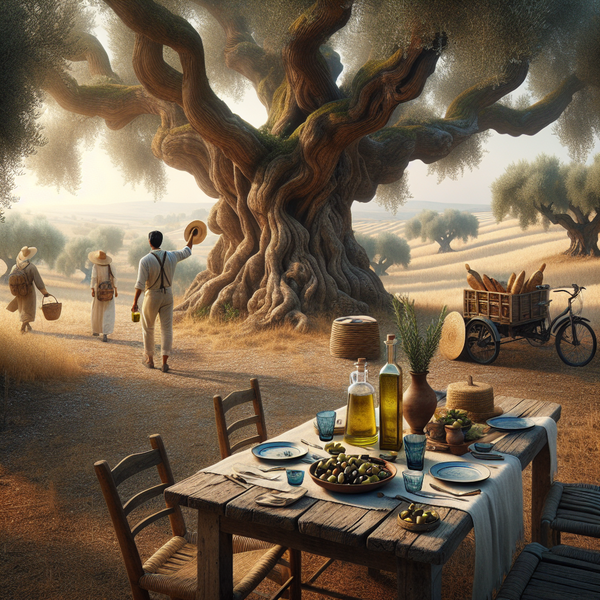
If you’ve ever wandered through the silvery canopies of gnarled olive trees under a late-afternoon Italian sun, you know there’s little in the world that feels older or more rooted. Exploring Italy’s ancient olive groves isn’t just about tasting oil; it’s about understanding centuries of cultivation, local tradition, and quiet patience. From Puglia’s thousand-year-old trees to Liguria’s steep terraces, each region reveals a distinct rhythm of agricultural life that still shapes the food on every Italian table.
Go to the section
ToggleUnderstanding the Heritage of Italy’s Ancient Olive Groves
Italy grows more than 350 olive varieties, though most travelers only encounter a handful in shops. The richest concentration of ancient groves lies in Puglia, in southern Italy, particularly between Ostuni and Fasano. Here, you’ll find trees that botanists estimate to be over a thousand years old, many supported by stone walls built in the same era. Locals refer to them as “ulivi monumentali.” You can walk along the Via Traiana near Masseria Brancati — a Roman-era route lined with monumental olive trees still producing fruit today.
In Umbria, farmers around Trevi and Spello still harvest the Moraiolo and Frantoio varieties by hand. The traditional cold-pressing process, once done in underground mills, now hums in modern frantoi (olive mills) that open to visitors during the autumn harvest festivals known as “Frantoi Aperti.” Ask about booking a mill visit in advance; most welcome guests from late October through early December.
Where to Find the Oldest Olive Trees in Italy
The most photogenic, and arguably the oldest, olive trees are found in Puglia’s Valle d’Itria. The countryside between Locorotondo and Ostuni feels like an open-air museum of stone and wood — dry-stone walls, trulli (cone-roofed houses), and thick tree trunks split and hollowed with age. Local cooperatives like Consorzio Olio DOP Collina di Brindisi can point travelers to specific family farms offering guided walks through the oldest sections of groves.
In Sicily, the Val di Mazara is home to trees that predate the Norman conquest. Around Sciacca and Castelvetrano, local producers of Nocellara del Belice olives often arrange small tours, especially in spring when wildflowers carpet the groves. Don’t expect interpretive signage; most tours are accompanied by a farmer explaining how the same tree may serve three generations.
Central Italy’s Lazio and Tuscany regions hold terraced groves that date back to the Etruscans. Near Monte Argentario, the coastal breezes give the olives a fresh saltiness you’ll recognize in local oil tastings. Walkers can follow sections of the Via Francigena pilgrimage route past groves maintained by small monasteries — a quiet, meditative way to appreciate how deeply olive trees are woven into Italy’s spiritual landscape.
Best Seasons and Itineraries for Olive Grove Exploration
The best time to explore Italy’s olive groves depends on what you want to experience. For harvesting and pressing, visit between late October and mid-December. If you prefer peaceful walks amid green silver foliage, April through June brings new growth, fragrant blooms, and mild temperatures.
For a week-long itinerary, consider starting in Puglia: base yourself near Ostuni for two nights, then travel inland toward Matera and the Basilicata border, where small farms in Ferrandina still use ancient stone grinders. Continue north toward Umbria, stopping in Trevi, then end near Lake Trasimeno where modern cooperatives like Cooperativa del Trasimeno mix innovation with centuries-old cultivation methods.
Travelers who prefer smaller regions can try Liguria’s Ponente area. Rent a car in Imperia and drive the Olive Oil Road (“Strada dell’Olio”). Terraced groves cling to steep hillsides, and you can taste Taggiasca olive oils in places like Dolcedo and Lucinasco. Early spring often yields the clearest coastal light for photography — especially if you walk the narrow trails connecting tiny hamlets.
Practical Tips for Visiting Working Olive Farms
Unlike vineyard visits, olive farm tours are more intimate and seasonal. Call ahead — even small family producers usually prefer appointments, particularly during harvest when extra hands are welcome but unannounced visitors are not. Many masserie (farm estates) now offer agriturismo stays that include olive oil tastings, cooking classes, or short harvest experiences.
Bring sturdy shoes with grip; ancient groves often sit on uneven soil, and autumn rains can make paths slippery. Some farms provide baskets and nets if you join picking days. For a hands-on experience, check with places like Masseria Il Frantoio near Ostuni or Il Fontanaro in Paciano, Umbria. They both run educational sessions on olive varietals and how pressing temperatures affect flavor profiles.
Sampling etiquette matters too. Pure extra-virgin oil should be tasted in small sips from a blue glass, designed to conceal color bias. The fruity and peppery notes differ dramatically among regions — pepper in Tuscan oil, almond in Sicilian, artichoke in Umbrian. You’ll come away better able to read Italian oil labels back home.
Eco-Friendly Ways to Explore Olive Heritage Landscapes
Many of Italy’s oldest groves rely on sustainable techniques perfected before sustainability became a trend. Low-impact travel helps protect these ecosystems. Opt for electric or hybrid vehicles; Puglia and Tuscany now have several EV charging points in rural areas. Alternatively, explore on e-bikes — the Valle d’Itria’s gentle slopes between Martina Franca and Cisternino make an ideal day ride, with shaded picnic spots beneath centuries-old trees.
Walking routes are expanding, too. In western Sicily, the “Cammino dei Mille Ulivi” connects small farming villages through agricultural trails. You can book local guides via cooperative websites or tourist offices in Trapani province. These paths, often unpaved, reveal centuries of irrigation stonework that still channels rainwater to the roots — an ingenious early form of sustainable farming.
If you stay on a working farm, ask about waste-reduction projects. Many masserie now use olive pomace (the solid residue after pressing) as biomass fuel, heating guest rooms with renewable energy. Supporting these initiatives helps keep small producers financially viable and the landscape traditional.
Olive Oil Festivals and Local Food Traditions to Experience
Plan your olive-focused trip to coincide with Italy’s harvest festivals. One of the best is “Frantoi Aperti” in Umbria, typically spanning several weekends in November. Towns like Spello, Trevi, and Giano dell’Umbria host open mills, live music, and tasting counters offering bruschetta drizzled with the season’s first press. In Puglia, Ostuni’s small event called “La Festa dell’Olio Nuovo” gathers producers around the Piazza della Libertà to celebrate new oil with crusty bread and local wine.
In Lazio, Canino holds the “Sagra dell’Olio DOP” each December. Visitors can tour the mills, join guided tastings, and attend cooking shows where chefs demonstrate how different oils elevate regional dishes. Try warm “fagioli e olio nuovo,” beans topped with raw new oil — it’s the simplest way to taste the Italian countryside.
Each area pairs its oil with local food customs. In Cinque Terre, Taggiasca oil finishes anchovy dishes; in Calabria, robust Carolea oil highlights spicy ‘nduja. Learning these pairings gives context to each grove — olive trees don’t just produce oil, they shape the cuisine around them.
Combining Olive Grove Travel with Other Regional Activities
Exploring olive landscapes fits naturally with other rural activities. In southern Tuscany, combine a morning walk among Montalcino’s olive terraces with an afternoon wine tasting at a nearby Brunello estate. In Puglia, bicycle routes through the “Parco Regionale delle Dune Costiere” let you pass dunes, wetlands, and monumental olive trees within minutes. The visitor center near Torre Canne can provide official cycling maps.
In Sicily’s interior near Enna, archaeological trails thread through abandoned groves and Byzantine-era churches. Here you can see how Roman oil presses (trapeta) were carved into rock, offering a physical link between past and present production. Pairing olive exploration with local pottery workshops or bread-baking classes deepens your understanding of Italy’s rural crafts.
If you’re traveling with children, many agriturismi organize short sensory workshops — tasting different oils or spotting wildlife among the trees. These experiences are both educational and gently paced, perfect for slow-travel lifestyles.
Souvenirs and How to Choose Authentic Italian Olive Oil
When buying oil to take home, prioritize traceability. Look for labels with DOP (Protected Designation of Origin) or IGP certification. Regions like Garda, Sabina, and Valli Trapanesi each have their own traceable appellations. You can often buy directly from small mills — ask for the “olio nuovo” of the current season, typically bottled in dark glass to protect against light.
Pack carefully — check that your bottle is sealed and wrapped. For air travel, consider small 100ml sample bottles that comply with cabin restrictions. Many frantoi also sell vacuum-packed tins, which are lighter and travel well. Most importantly, taste before buying: Italy’s oil diversity deserves direct experience rather than souvenir paralysis in duty-free shops.
Preserving the Future of Italy’s Olive Grove Heritage
Centuries-old olive trees are at risk from disease and urban expansion. In parts of Puglia, Xylella fastidiosa has destroyed thousands of trees. When you visit and purchase local oils or book certified farm stays, you help sustain families who are actively replanting and cultivating resistant varieties. Check whether your host supports reforestation or biodiversity projects; many do so in partnership with local universities.
Olive landscape preservation isn’t charity—it’s continuity. Every time you walk beneath a twisted branch older than your own country, you’re participating in Italy’s living history. Exploring responsibly ensures that future travelers will still find silvery leaves shimmering against the same Mediterranean light.