Italy’s coastline isn’t just sunbeds and spritzes — it’s also rich in protected reserves where cliffs, wetlands, and marine sanctuaries remain almost exactly as nature shaped them. Whether you’re wandering the salt flats near Sicily or the wind-shaped dunes of Tuscany’s Maremma, Italy’s coastal nature reserves combine accessible adventure with ecological importance. Here’s a guide to the most beautiful and diverse coastal reserves in the country — all places where the sea still sets the rhythm of life.
Go to the section
ToggleCinque Terre National Park and Marine Protected Area: Liguria’s Cliffside Heritage
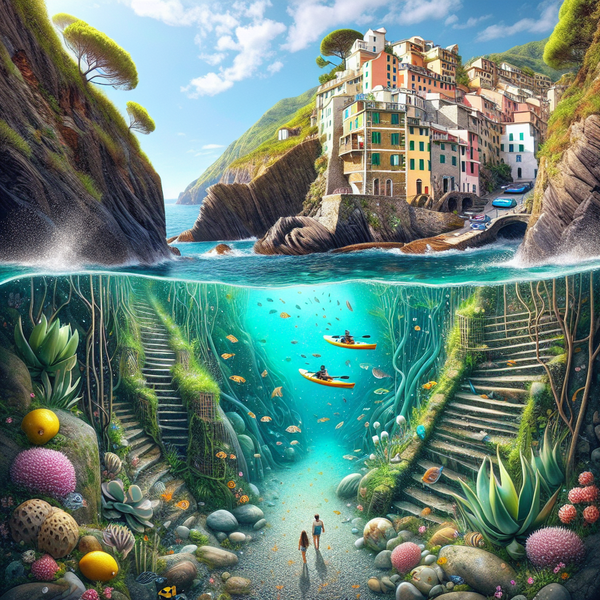
The Cinque Terre National Park in Liguria isn’t only famous for its pastel fishing villages. Its connected Marine Protected Area spans nearly 4,000 hectares of coastline and underwater landscape. Walk the Sentiero Azzurro footpath linking Monterosso, Vernazza, Corniglia, Manarola, and Riomaggiore, and you’ll notice terraced vineyards clinging to slopes that plunge into turquoise water. In the protected waters near Punta Mesco, divers encounter seagrass meadows and grouper fish, which indicate healthy ecosystems. Cars aren’t allowed in the towns, so the best logistics are trains between villages — or ferries that offer views of the cliffs from the sea. From late spring to early autumn, park rangers offer guided snorkeling sessions from Monterosso to see underwater relics of old anchors and coral clusters.
Uccellina Mountains in the Maremma Regional Park: Tuscany’s Wild Coast
Just south of Grosseto, the Parco Regionale della Maremma runs along 25 kilometers of coastline between Principina a Mare and Talamone. Local guides call it the “Alberese coast,” famous for its combination of pine forest, marsh, and wide beaches backed by juniper dunes. The reserve’s heart is the Monti dell’Uccellina, a chain of low limestone hills that overlook the Tyrrhenian Sea. If you visit early in the morning, you might spot herons and flamingos in the Diaccia Botrona wetland near Castiglione della Pescaia. Access is regulated by the visitor center in Alberese, where you can book e-bike rentals or guided routes to Cala di Forno, an unspoiled cove only reachable on foot. Parking inside the park is limited to protect the habitat of foxes, boars, and Maremman cattle, so plan ahead and use the park shuttle when available.
Torre Guaceto Nature Reserve: Puglia’s Blue Flag Sanctuary
Between Brindisi and Ostuni stretches the Torre Guaceto Marine Protected Area, encompassing roughly eight kilometers of pristine Adriatic shore. The medieval tower for which it’s named sits above a mosaic of dunes, rocky coves, and freshwater pools. This reserve operates under strict environmental controls: no motorized boats, limited beach sections, and banned single-use plastics. Bring snorkel gear — the shallow reefs near Punta Penna Grossa teem with sea bream and octopus, often visible even without diving deep. The cycling trail from Serranova to the reserve’s visitor center is flat and shaded, ideal for reaching the coast sustainably. Local cooperatives manage eco-tours and workshops on ancient olive oil production, tying rural culture to marine protection. In nearby Carovigno, farm stays called masserie offer local olive varieties like Ogliarola Salentina for tastings after a day at the sea.
Egadi Islands Marine Protected Area: Sicily’s Hidden Archipelago
Off the western coast of Sicily, the Egadi Islands Marine Protected Area is Italy’s largest, covering around 54,000 hectares. Favignana, Levanzo, and Marettimo form a triangle of limestone cliffs and underwater caves where monk seals have begun to return after decades of absence. The Punta Sottile lighthouse on Favignana is a landmark for boaters, and Marettimo’s Grotta del Cammello cave reveals translucent turquoise chambers accessible by kayak or small boat. No sunbeds, no beach bars — just clean water and silence broken by cicadas. Ferries connect from Trapani, and local divers operate under eco-certification to minimize reef disturbance. In June, the tonnara tradition — the ancient tuna harvest — is reenacted as a heritage event, offering a direct link between conservation and community identity.
Po Delta Regional Park: Emilia-Romagna and Veneto’s Living Estuary
At the northern end of the Adriatic, the Po Delta Regional Park spans two regions and a shifting maze of lagoons, sandbars, and willow islands. Birdwatchers consider it Italy’s single most significant wetland, home to over 300 recorded species. The Comacchio Valleys — accessible via small flat-bottomed boats — let you glide past flamingos, egrets, and traditional wooden fishing huts called casoni. Cycling is another excellent option: the 54-kilometer Argine degli Angeli route traces embankments above the channels, with easy rental centers in Comacchio and Lido di Volano. Cheese lovers can detour inland to sample Valli di Comacchio eel dishes paired with local Trebbiano wine at trattorie under the arcades of nearby Ferrara. The park’s visitor network includes multiple entrances; the Santa Giustina center provides maps and tide information updated daily.
Asinara National Park: Sardinia’s Isolated Refuge
Reaching Asinara National Park — located off the northwest tip of Sardinia near Porto Torres — already feels like a privilege. Once a quarantine station and then a maximum-security prison, it’s now one of Italy’s most carefully managed marine reserves. Only authorized park transport and bicycles are allowed, and visits require registration through official tour operators. Hiking route CA1 runs north-south for 25 kilometers, crossing windswept limestone plateaus where the famous white donkeys graze. Around Cala Sabina, sea beds are covered in Posidonia oceanica, a protected seagrass that keeps the water incredibly clear. The Asinara Park Authority also sponsors citizen science activities: you can help monitor loggerhead turtle nests between May and August. Ferries from Stintino take about 20 minutes, but book early — daily quotas limit visitor numbers to protect the fragile environment.
Plemmirio Marine Protected Area: Syracuse’s Underwater Canyon
Just south of Syracuse in Sicily, the Plemmirio Marine Protected Area extends along 12 square kilometers of sea. Divers come for its dramatic sub-aquatic topography — canyons, caves, and reefs plunging more than 40 meters. Visibility is excellent thanks to limited development and the absence of major ports. At Punta Mola, you can access snorkeling zones from marked entry points equipped with safety buoys and steps into the water. Local dive centers in Ortigia organize half-day excursions to the Secca di Capo Meli, where coral forests wave among ancient amphorae. History and ecology coexist here: underwater archaeologists often share updates with visitors at the info point near the Maddalena Peninsula lighthouse. Getting there is easiest by scooter or bike from Syracuse’s city center — just 15 minutes along coastal roads lined with wild capers and sea fennel.
Stagnone Nature Reserve of Marsala: Salt Flats and Shallow Lagoons
West Sicily’s Stagnone Nature Reserve near Marsala looks almost surreal at sunset. The shallow lagoon system is dotted with small islands, including the archaeological site of Mozia. You can still see the pattern of centuries-old salt pans, windmills, and piles of white crystals reflecting the pink light. Flamingos and avocets fish here during migration periods, while kite-surfers glide in the constant breeze between Birgi and Isola Grande. Most visitors come for sunset walks — but rent a kayak from Contrada Spagnola to paddle among the salt basins themselves. The nearby San Teodoro pier offers frequent small-boat links to Mozia, where Phoenician ruins sit just meters from the sea. Pair the visit with a glass of Marsala wine at one of the traditional bagli wine estates along the lagoon road.
Mirto and Juniper Coast of Orosei Gulf: Sardinia’s Untamed East
The Golfo di Orosei on Sardinia’s east coast hosts some of Italy’s most spectacular marine scenery. Within this stretch lies a series of protected coves, from Cala Luna to Cala Goloritzé, reachable only by sea or foot. The area is part of the Parco Nazionale del Golfo di Orosei e del Gennargentu, where erosion has carved arches and sea stacks into the limestone cliffs. Cala Goloritzé’s iconic rock spire, 143 meters high, is designated a UNESCO natural monument. Park rules limit daily visitors to this beach — advance booking via an app is mandatory during summer. Locals recommend taking early morning boats from Santa Maria Navarrese before the thermal winds rise. Back in the village, explore artisan workshops making pane carasau and cork carvings, anchoring your day in Sardinian tradition.
Practical Tips for Visiting Italy’s Coastal Nature Reserves Responsibly
All Italian nature reserves fall under regional administration, which means rules and permits vary. Before visiting, check park websites for updated hours, trail closures, and ticket systems. Carry reusable water bottles and avoid sunscreen containing oxybenzone, which harms marine life. The best months for balance between weather and crowd levels are May, June, and late September. Reserve eco-tours or guided snorkeling when possible — local guides help you interpret the ecosystems and direct funds to maintenance. If you plan multi-stop travel, regional trains and ferries link most coastal parks efficiently. With a bit of planning, Italy’s marine and coastal reserves offer experiences far richer than the typical beach holiday, layered with geology, tradition, and that unmistakable Mediterranean light.