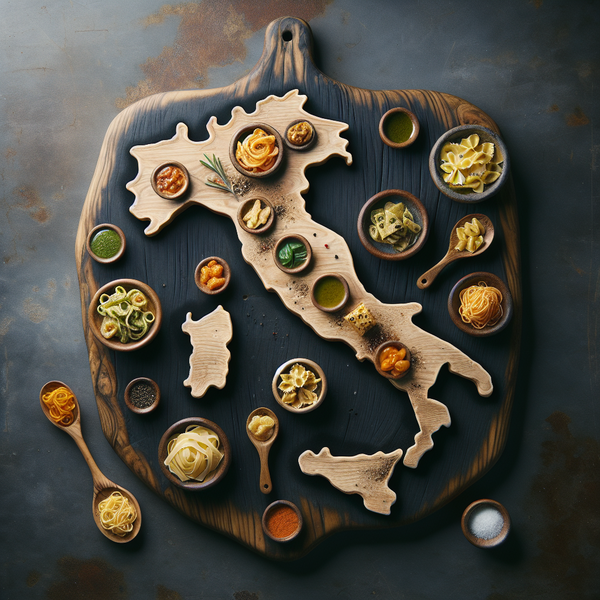
Every Italian region guards its pasta like a family secret — and in many cases, it quite literally is. From the rough-textured bronze-die spaghetti in Lazio to hand-stretched trofie in Liguria, regional pasta is both geography and history on a plate. Having lived and eaten across the peninsula for years, I’ve learned that the surest way to taste authentic Italy is to follow the dough. Skip the chain trattorie with laminated menus in three languages; instead, head for local sagra festivals, neighborhood osterie, and even tiny alimentari that sell their pasta by the gram. This is how you’ll find Italy’s true culinary soul, one forkful at a time.
Go to the section
ToggleEmilia-Romagna: Tagliatelle al Ragù and the Code of Fresh Egg Pasta
In Bologna, the birthplace of tagliatelle al ragù, authenticity is codified — literally. The Chamber of Commerce there holds an official golden ribbon representing the precise width of the ideal tagliatella: 8 millimeters when cooked. Order this dish at a family-run trattoria like Trattoria Anna Maria on Via Belle Arti, where the nonne still stretch the dough by hand. The ragù should cling to the noodles rather than drown them, cooked slowly for at least three hours with minced beef, pork, carrot, celery, and wine. Any hint of cream, garlic, or oregano is your sign to move on.
Outside Bologna, the region’s devotion to egg pasta continues in the form of tortellini from Modena and Reggio Emilia. Traditionally filled with prosciutto, mortadella, and Parmigiano, these tiny bundles are served in clear capon broth. During winter markets, you can often watch local sfogline roll the dough on marble counters, ready to sell by weight to holiday shoppers. Buy a half kilo to cook in your rental apartment; a small pot of local brodo di cappone from the supermarket completes the experience.
Lazio: Tasting True Roman Soul in Carbonara and Cacio e Pepe
Roman pastas are deceptively simple — just a few ingredients, but a lifetime of craft. In testaccini osterie around the old Testaccio district, carbonara is made without cream or onions, using only guanciale (cured pork cheek), fresh eggs, Pecorino Romano, and black pepper. A good sign: if the guanciale has a golden crust and the sauce coats the pasta smoothly without curdling, you’re in the right place. Order it at Da Enzo al 29 in Trastevere, but arrive early; locals line up even before the doors open.
Cacio e Pepe, once a shepherd’s dish from the Roman countryside, relies on technique more than anything else. The key is emulsification — stirring starchy pasta water into grated cheese to form a glossy sauce. Many accomplished chefs in Rome insist on using tonnarelli, a slightly thicker square-cut spaghetti that holds the sauce better. Try it at Felice a Testaccio, where the waiter famously tosses the pasta tableside, a ritual that has become an unpretentious form of performance art.
Sicily: Busiate, Pasta alla Norma, and the Island’s Arabic Echoes
If you find yourself wandering the hilltop alleys of Erice or the sunburnt lanes of Trapani, look for busiate — long, spiraled pasta wound by hand around a thin metal rod. Locals often serve it with pesto Trapanese, a tomato-almond sauce that reflects the island’s Moorish history. The best versions balance garlic and crushed almonds rather than drowning the flavor in oil. You can enjoy it at Antichi Sapori in Trapani, where sea breezes mingle with the scent of tomato and basil drying in the kitchen window.
In Catania on Sicily’s eastern coast, pasta alla Norma pays homage to composer Vincenzo Bellini. Fried eggplants, sweet tomato sauce, and grated ricotta salata make this dish unmistakably local. The eggplant should be sliced thin, fried until caramelized, and drained overnight to remove bitterness — steps that many tourist cafés skip. The most authentic versions appear at lunch rather than dinner, since Sicilians prefer heavier pasta meals before nightfall.
Find all the best hotel deals Booking.com
Liguria: Trofie al Pesto and the Green Coast’s Maritime Character
Ligurian cuisine owes as much to its cliffs as to its coastline. Trofie al pesto remains its signature dish, born from the terraces around Genoa where basil thrives under salty sea winds. The true recipe insists on a marble mortar, never a blender, and uses young basil leaves from Pra’, a district just outside the city noted for its microclimate. It’s worth visiting Osteria della Foce or Trattoria Rosmarino in Genoa to sample handmade trofie, curled pasta that captures the oily richness of pesto without smothering it.
For the most authentic pesto, peek into local markets like Mercato Orientale, where you can buy small jars made fresh that morning. Combine them with boiled potatoes and green beans in the traditional way — a Ligurian trick that turns a simple pasta into a full meal. If you’re renting an apartment in the Cinque Terre, pick up trofie and pesto locally; the region’s olive oil, slightly nutty and less acidic than southern varieties, makes a noticeable difference.
Discover the best local experiences Find authentic pasta-making classes and food tours
Puglia: Orecchiette alle Cime di Rapa and the Hands of the Nonne
Walk through the old town of Bari Vecchia and you’ll see women sitting in open doorways, their marble tables dusted with semolina flour. They shape orecchiette — “little ears” — using nothing more than a knife and practiced flick of the wrist. These pasta shells are typically paired with cime di rapa (turnip tops), anchovies, and a whisper of chile. Visit around late winter when the greens are in season and at their bitterest; this balance of sharp and mellow flavors defines Pugliese cooking.
If you want to buy the freshest orecchiette, ask for signora Nunzia near Arco Basso — she’s one of the most photographed pasta makers in Bari but still sells her daily batch to neighbors first. Cook them the same day you buy them, as fresh pasta here doesn’t include egg and dries quickly in the sea breeze. Pair with a glass of local white wine, such as Verdeca, which softens the greens’ bitterness.
Campania: Spaghetti alle Vongole and the Texture of Bronze-Die Pasta
Neapolitan pasta is all about texture — the slightly rough surface that catches sauce. Many producers around Gragnano, a town between Naples and the Amalfi Coast, use bronze dies and slow air drying to produce what Italians call pasta di Gragnano IGP. You can buy it in blue-and-gold boxes at neighborhood markets all over Naples. When cooked properly, spaghetti alle vongole combines seawater-salty clams, parsley, and a drizzle of local olive oil — no cheese ever.
For authenticity, look for small clams known as veraci and a sauce that’s light and shimmering, not milky. Try it at Ristorante Europeo Mattozzi near Piazza Municipio. If you’re cooking at home, save the final few tablespoons of the clam liquid, strain it, and stir it back in just before serving. The resulting flavor captures the Gulf of Naples more vividly than any souvenir could.
Piemonte: Tajarin, Agnolotti, and Butter as a Statement
Northern Italian pasta celebrates butter where the south worships olive oil. In Piemonte, that means ribbons of tajarin made with extra egg yolks, yielding a golden hue and silken texture. It’s best served with shaved white truffle in season, though a sage-and-butter sauce is equally traditional. Try it at Osteria La Libera in Alba during truffle season, when the entire town smells faintly of woodland soil.
Another Piemontese classic, agnolotti del plin, are tiny pasta envelopes pinched at the sides — the word “plin” literally means “pinch.” They’re filled with roasted meats and vegetables, then tossed in the pan with butter and sage rather than baked in sauce. Many small producers around Langhe sell these fresh by the half-kilo in paper boxes, perfect for travelers staying in rental kitchens. Butter bubbling noisily in the pan tells you it’s hot enough; toss gently and serve immediately.
Marche: Vincisgrassi and the Layers of Local Pride
Between the Apennines and the Adriatic, Marche holds one of Italy’s most overlooked treasures: vincisgrassi. It looks like lasagna, but its ragù is deeper, often including chicken giblets, and the pasta sheets are made with wine and fewer eggs. In Ancona, Trattoria Caratozzolo still follows a family recipe dating back generations. Each layer is brushed with sauce rather than saturated, creating a version both rustic and refined. The dish’s name likely stems from a local corruption of an Austrian general’s surname, reminding us that even pasta can be a record of history.
How to Eat Pasta Like an Italian: Practical Rules from the Table
To appreciate regional pasta in Italy, adjust your habits before the first bite. Italians rarely eat pasta as a main course — it’s a first course (primo piatto), followed by meat or fish. Portions look small but are rich, designed to be savored slowly. When ordering, note that local menus often list pasta dishes according to the sauce name, not the noodle type, reflecting how tightly the two are linked.
For travelers wanting to explore beyond restaurants, several regions host pasta-making workshops open to visitors. Emilia-Romagna’s Casa Artusi in Forlimpopoli offers tutorials in flour ratios and rolling technique, while smaller classes in Puglia’s countryside let you prepare orecchiette under fig trees. Always verify whether the pasta is made with farina 00 (soft wheat) or semolina, as this choice shapes texture through every region.
Conclusion: Following Italy’s Pasta Atlas
Every bowl of pasta in Italy carries a map of its terrain: the minerals in the local water, the grain once milled nearby, the animal fat or oil preferred in that climate. Understanding regional pasta isn’t just about eating — it’s about tracing a living geography through simple ingredients and long traditions. Whether you find yourself twirling tagliatelle in Bologna or savoring trofie overlooking the Ligurian sea, you’re tasting centuries of practice passed hand to hand. Bring curiosity, not checklists, and you’ll find that authenticity is best served al dente.