Sicily has long been Italy’s great winemaking frontier, but beyond its famous labels, a network of small, often family-run estates are quietly crafting wines that rival anything on the mainland. Away from the glossy tasting rooms of Etna or Marsala, these hidden vineyards combine volcanic soils, near-forgotten grape varieties, and the kind of warm resilience only islanders seem to master. For travelers looking to sip something rare while meeting the people who tend the vines, these tucked-away wineries provide the richest rewards.
Go to the section
ToggleHidden Vineyards on Mount Etna Producing Outstanding Nerello Mascalese
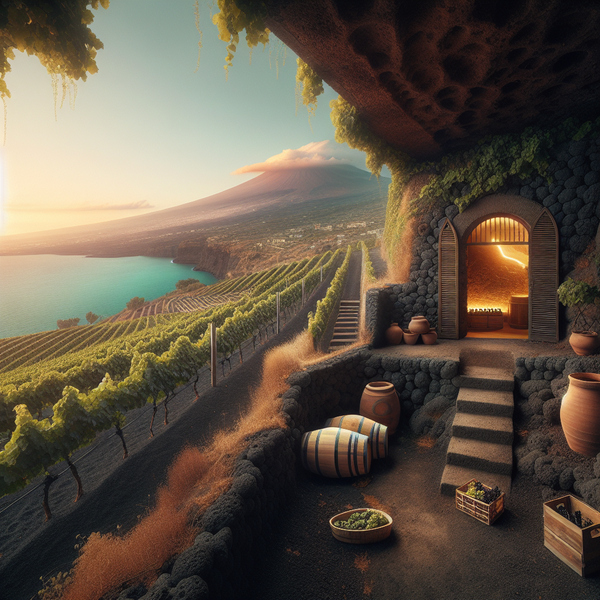
The north slope of Mount Etna, between the villages of Randazzo and Solicchiata, hides some of Sicily’s most thrilling reds. Small producers like **Tenuta di Fessina** and **I Custodi delle Vigne dell’Etna** cultivate old-vine *Nerello Mascalese* on terraced basalt soils, where each parcel sits at a slightly different altitude, sometimes ranging from 600 to 1,000 meters above sea level. Travelers who drive the SP59 from Linguaglossa to Randazzo can stop at unmarked turnoffs leading to vineyards wedged between lava flows. Tours tend to be intimate: appointments are essential, tasting fees modest, and the experience often ends in someone’s kitchen with a plate of sun-dried tomatoes and ricotta salata.
What Makes Etna’s Micro-Vineyards Unique
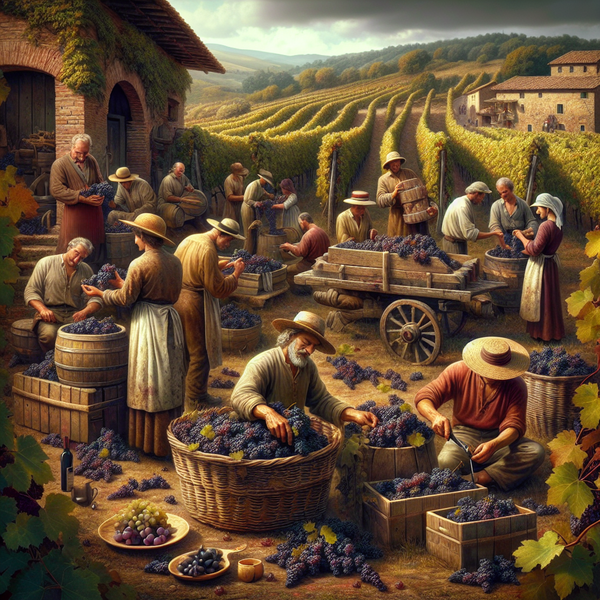
Etna’s fragmented ownership means many growers farm less than two hectares of vines—often on terraces reached only by foot. This isolation maintains biodiversity. You’ll find ancient *palmenti* (stone presses) still in use and century-old chestnut casks for fermenting reds. Travel in late September if you want to see the vendemmia (harvest), though calling ahead ensures a warm welcome rather than interrupting the work.
Secret Vineyards in the Val di Noto Revival
Down in southeastern Sicily, near Noto and Pachino, a quiet revolution is reviving the once-dismissed *Nero d’Avola.* A few hidden estates, tucked among carob trees and dry-stone walls, are reinterpreting this grape into elegant, spicy reds and crisp rosés. **Riofavara**, located just outside Ispica, offers a particularly enlightening visit. The drive down Contrada Spaccaforno reveals modest farmhouses that disguise solar-powered cellars underground, designed to keep the wines naturally cool.
Even smaller is **Marabino**, whose plots lie barely three kilometers from the Ionian coast. They practice biodynamic viticulture and vinify without external yeasts. Tastings often spotlight pairings with *pomodoro di pachino* bruschetta and local sheep cheese aged in olive leaves. Allocate at least a half-day, as both wineries sell limited-edition cuvées unavailable outside Sicily.
How to Reach Noto’s Hidden Vineyards
To explore these estates, base yourself in Noto or Modica. A rental car is essential; the wineries lie on gravel lanes unserved by public transport. The SP26 and SP19 roads link most vineyards, but GPS signals fade in olive groves. Download offline maps, and always call the winemaker before setting out, as gates often stay closed until your arrival.
Overlooked Vineyards in the Madonie Mountains
Few travelers associate the pine-scented Madonie range, north of Palermo, with wine, yet it historically sheltered *Perricone* and *Catarratto* vines cultivated in sheltered pockets near Polizzi Generosa and Scillato. **Abbazia Santa Anastasia**, occupying a restored Benedictine abbey, demonstrates what altitude and limestone soils can achieve: fresh, mineral whites and red blends rich with herbal notes. Further east, micro-estates like **Valdibella** in Camporeale focus on organic methods and cooperative ownership, letting small growers maintain autonomy. Tastings here often come with homemade *panelle* (chickpea fritters) and house olive oil poured straight from the press.
Visiting these mountain vineyards feels more like meeting neighbors than attending a formal tasting. Schedules remain fluid; locals encourage guests to visit in the morning before afternoon winds pick up. Between tastings, detour to the mountain village of Castelbuono—stop at the cloistered café of Fiasconaro bakery for its award-winning panettone paired, surprisingly well, with crisp Madonie rosato.
Find all the best hotel deals
Book your stay conveniently across Sicily’s wine regions.
Hidden Coastal Vineyards Near Menfi and the Belice Valley
Along Sicily’s southwest coast, between Menfi and Selinunte, lie low, sun-struck vineyards that once focused on bulk production. A few visionary families have reinvented them into lean, terroir-driven projects. **Cantine Barbera**, near Menfi’s Porto Palo beach, keeps its cellar within sight of the Mediterranean. Owner Marilena Barbera experiments with indigenous grapes like *Nerello Cappuccio* and *Inzolia* fermented in concrete eggs. It’s possible to book tastings that include walks through coastal dunes blooming with sea fennel and thyme.
Inland, the micro-vineyard of **Planeta’s Ulmo estate** hides on Lake Arancio’s edge. Though part of a larger name, this specific site cultivates old *Grecanico Dorato* parcels rarely shown abroad. Visitors who follow the country road from Menfi’s center will cross an iron bridge before turning onto a dirt path marked only by a faded wooden sign. The lake’s shimmering light adds a unique maritime freshness to the wines—a phenomenon worth tasting in person.
Practical Tips for Exploring Menfi’s Vineyards
Menfi celebrates a “Settimana del Vino” festival every June, when local hosts open their cellars for guided walks and community lunches. For a quieter visit, aim for early morning tastings and bring cash; small estates may not process credit cards. If you’d like to linger, seaside apartments near Lido dei Fiori offer easy access to both vineyards and Selinunte’s Greek ruins.
Discover the best local experiences
Find curated wine tours and cultural day trips led by Sicilian insiders.
Remote Vineyards on the Aeolian Islands
A ferry ride from Milazzo brings adventurous wine lovers to the Aeolian archipelago, where volcanic cliffs plunge straight into turquoise seas. Lipari and Salina host the last traces of *Malvasia delle Lipari* production—a sweet wine once favored by northern European merchants. On Salina, **Tenuta Capofaro** pairs minimalist architecture with vineyards facing Stromboli’s smoking cone. Tastings are usually arranged at sunset, when the changing light transforms the sea into molten silver.
Across the island in Malfa, micro-producer **Hauner** crafts both dry and passito versions of Malvasia. The vines grow at around 350 meters, cooled by sea breezes that prevent excessive sweetness. Travelers can reach the cellars by scooter or electric taxi; ferries depart daily from Milazzo (two to three hours). Pack light—many vineyards require climbing steep paths paved with black lava stone.
Staying Among Aeolian Vines
Salina offers a handful of agriturismi within walking distance of vineyards. **Agriturismo Al Cappero** sits minutes from Hauner’s cellars and overlooks terraces planted with caper bushes and vines. Expect room rates to include homemade jams and caponata, sometimes matched with the owner’s own bottles. Book at least two nights to explore both Malvasia estates and the seafront trails.
Little-Known Vineyards in the Sicani Highlands
Between Agrigento and Palermo rises the remote Sicani area—rolling hills, almond groves, and sheep pastures. Here, wineries like **Feudo Montoni**, near Cammarata, maintain pre-phylloxera vineyards of *Nero d’Avola* on sandy soils 500–700 meters high. Tastings reveal how altitude translates into balance, yielding reds with tart cherry and thyme rather than heat. A visit here often starts with a guided walk through the ancient *baglio* (farm courtyard) before moving into a stone cellar perfumed with barrel wood.
Nearby, **Cantina Castellucci Miano** guards rare *Perricone* vines in Valledolmo’s uplands. These vineyards are so remote that GPS will route you through unpaved stretches; allow extra time, drive slowly, and carry water, as service stations are scarce. The reward is tasting wines that express an almost Alpine freshness, a counterpoint to Sicily’s coastal warmth.
Why the Sicani Area Remains Undiscovered
Distance from major cities keeps these wineries authentic. Palermo is about 90 minutes away, but narrow roads extend the drive. For dedicated oenophiles, the effort pays off: cellar doors often open only for confirmed bookings, offering private tastings that feel more like family gatherings. Bring a map, patience, and a curiosity for the stories behind every vintage—you’ll hear about drought years, reforested slopes, and the role of each grandparent in reviving forgotten plots.
Planning a Sicilian Wine Journey Through Hidden Vineyards
Exploring these secret corners requires flexibility more than money. Most estates mandate appointments, and while facilities vary—from abbey lounges to simple patios—the sincerity of welcome does not. Renting a car is the most practical solution; Sicily’s bus and train network reach only major towns, not vineyards. Combine regions according to your interests: Etna for volcanic terroir; Noto for baroque charm; Menfi for seaside tastings; the Madonie for mountain air; and the Aeolian Islands for spectacle.
To plan itinerary flow:
- Fly into Catania if focusing on eastern Sicily (Etna, Noto).
- Fly into Palermo for western and central regions (Madonie, Sicani, Menfi).
- Reserve ferries in advance for the Aeolian Islands during summer months.
Finally, buy bottles directly from each producer; many small labels never reach exports. Pack a six-bottle wine travel bag or ship via courier from major towns like Catania or Palermo. The experience of unearthing these hidden vineyards in Sicily goes beyond wine—it’s about connection: to land, to community, and to an island whose diversity still astonishes those willing to wander a bit off the map.