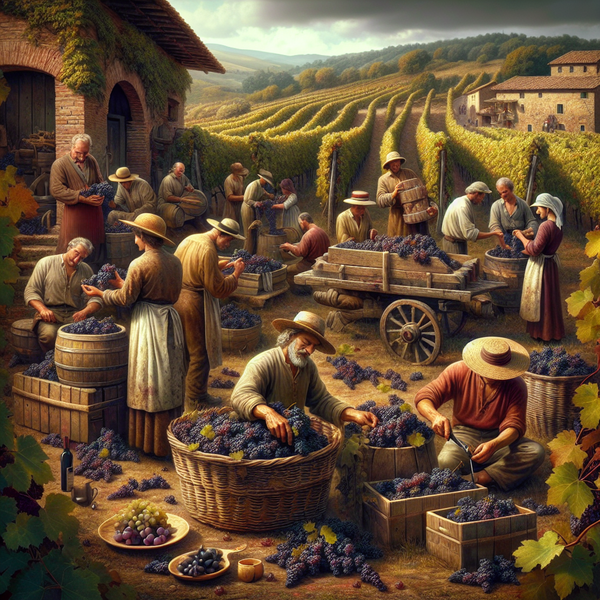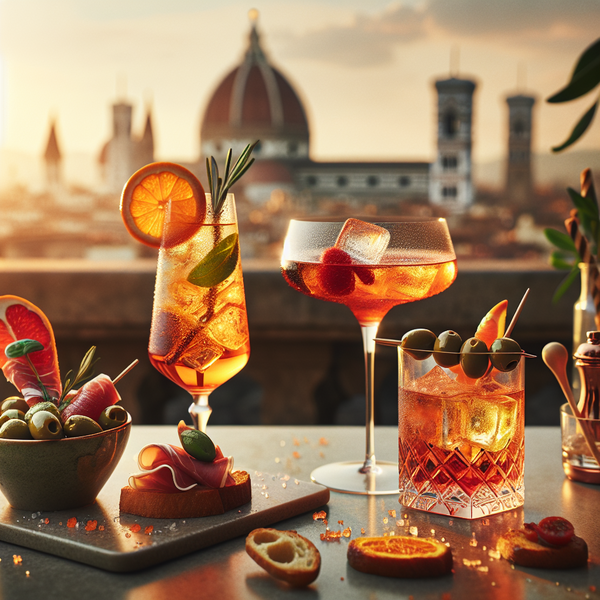
There’s a particular moment in Italy, somewhere between late afternoon and dinner, when the day slows down and the chatter rises over clinking glasses. This is the aperitivo hour—an informal, social ritual that combines drinks, small bites, and conversation. Italians use it to transition from workday to evening, and travelers who learn to enjoy it like a local quickly discover that it’s far more than just happy hour. It’s about place, rhythm, and the art of appetite.
Go to the section
ToggleUnderstanding Aperitivo Culture Before You Order Your First Spritz
In cities across Italy, the aperitivo is shaped by geography and local taste. In Milan, it often means elegant buffets in design-forward bars. In Turin, the birthplace of vermouth, it’s about aromatic cocktails carefully balanced with snacks like olives and grissini breadsticks. The unifying element is purpose: an aperitivo should stimulate, not sate. Order one drink; expect salty, savory accompaniments designed to heighten appetite.
Timing also matters. Locals usually start between 6:00 and 7:30 pm. Arriving before 6 in Rome means you’ll be drinking alone; later than 8:30 in Milan, and the bar may already be turning over for dinner. Most bars will serve small plates—chips, mini-panini, maybe crostini—when you order. If a buffet is available, it’s polite to fill one plate and leave space for others.
Milan’s Best Aperitivo Bars for True Northern Sophistication
Milan claims the modern aperitivo crown, and locals take it seriously. In the Porta Venezia and Brera districts, every bar fills with fashion-forward crowds balancing glasses of Campari-based cocktails. For an atmospheric start, head to Bar Basso on Via Plinio, where the iconic Negroni Sbagliato was invented in the late 1960s. You can still sip it from the same oversized glass the bartender designed decades ago. For something more contemporary, try Nottingham Forest on Viale Piave, famous for its creative presentation—cocktails arrive in light bulbs, seashells, or clouds of dry ice.
Alternatively, if you want to mix aperitivo with Milan’s design sensibility, make a reservation at Terrazza Aperol overlooking Piazza Duomo. You’ll pay a premium for the view, but as the cathedral glows pink at dusk, the experience earns its price tag. Expect a modern twist on Aperol Spritz served with mini tramezzini sandwiches and pistachio nuts.
Venice and the Lagoon Tradition: Aperitivo with Cicchetti
Venetians elevate the pre-dinner drink with snacks that can almost become a meal. Around 5:30 pm, neighborhood bàcari (small wine bars) begin serving ombre—tiny glasses of local wine—paired with cicchetti, bite-sized dishes like cod mousse on toast or meatballs in tomato sauce. A classic route starts near the Rialto Market. Pop into All’Arco on Calle Arco for a tiny glass of white Friulano and a crostino of sardines in saor. Then, move across the canal to Osteria al Squero, with its canal-side ledge perfect for leaning and people-watching as boat builders work across the water.
In Venice, an aperitivo doesn’t require Vermouth or Negroni. Locals often choose a simple Spritz Veneziano, made with Select or Aperol, prosecco, and a splash of soda. If you’re visiting on a weekend, remember that seats are limited—embrace the Venetian custom of standing outside, glass in hand, as the light fades over the canals.
Rome’s Aperitivo Scene: Views, Vino, and Street Corners
Rome’s aperitivo hour is as much about location as what’s in the glass. The balance of noisy piazzas, hilltop terraces, and film-set alleys offers endless personality. Start in Trastevere at Freni e Frizioni, a former mechanic’s shop turned cult favorite, where the crowd spills onto the cobblestones and the buffet is a mini Mediterranean feast: couscous, roasted vegetables, and bruschette. Nearby, Litro in Monteverde serves natural wines and local cheeses to a more low-key, locals-only crowd.
For a view of the Eternal City, the bar at Les Etoiles in the Hotel Atlante Star offers an unmistakable scene—the dome of St. Peter’s glows golden as the sun drops. Aperitivi lean classic: gin and tonics or prosecco. Try arriving around 6:30 to ensure a rooftop table; locals rarely drink before then, but tourists crowd in by 7.
Turin’s Aperitivo Legacy: Where Vermouth Was Born
Turin is where the aperitivo truly began. In the late 18th century, local pharmacist Antonio Benedetto Carpano invented vermouth, a fortified and aromatized wine specifically meant to stimulate appetite. Today, that legacy infuses the entire city. Start at Baratti & Milano in the Galleria Subalpina, an Art Nouveau temple where intellectuals once debated politics over small glasses of Cinzano. The polished copper bar still gleams the same way it did a century ago.
More modern aperitivi await in the San Salvario district. Affini on Via Belfiore, run by a team linked to the historic Vermouth brand Cocchi, serves expertly mixed bitters paired with Piedmontese appetizers—small meat tartare toasts and Castelmagno cheese croquettes. Turin’s cool evenings make aperitivo here linger longer than elsewhere; locals chat late into the night before considering dinner around 9.
Florence’s Social Aperitivo: Craft Cocktails and Tuscan Bites
Florence folds its aperitivo tradition into its artistic past. Around Piazza Santo Spirito in the Oltrarno, bars fill early with locals and art students. Volume, housed in a former artisan’s workshop, serves spritzes beside platters of crostini with truffle cream. Across the river, Rivoire in Piazza della Signoria is a grander choice, famous for cocktail precision and views of Palazzo Vecchio’s tower.
If you prefer a quieter setting, Locale on Via delle Seggiole contrasts grandeur with modern technique. The bartenders age Negronis in oak barrels, while the snacks—a single crisp melanzane roll or pecorino cream puff—arrive like edible art. Don’t rush; Florentines enjoy their aperitivo slowly, typically between 7 and 8:30 pm.
Less-Known Aperitivo Destinations: Bologna, Naples, and Lecce
Moving south, each region bends the aperitivo to its own rhythms. In Bologna, the youthful university crowd keeps the tradition casual. Around Via del Pratello, drop into Lab16 or BrewDog Bologna for local craft beers paired with tagliere boards of mortadella and Parmigiano. Many bars here maintain buffets stretching the definition of apericena—an aperitivo substantial enough to replace dinner.
Naples follows no rules except its own. Near Piazza Bellini, L’Antiquario recreates a 1930s speakeasy with dark wood, jazz, and mixologists in bow ties crafting bittersweet cocktails using Amalfi lemon infusions. But the truly local option is a simple Aperol Spritz by the sea at Mappatella Beach, with peanuts from a paper cone and a view of Vesuvius.
In Lecce, the baroque gem of Puglia, Quanto Basta on Via Paladini is run by one of Italy’s most renowned bartenders. Expect southern flair: Negronis scented with bergamot, paired with crunchy taralli biscuits and local olives from Salento farms.
What to Drink (and Snack On) to Feel Like a Local
Order strategically. In northern cities, classic bitters reign: Negroni, Americano, or a simple vermouth served on ice with an orange twist. Central Italy loves lighter, sparkling choices—Prosecco in Venice, white wine in Florence. Down south, fruitier or more aromatic options dominate; try a Limoncello spritz in Naples or a rosé from Salento in Lecce. Always pair your drink with something salty. Italians believe balance is key, and the right snack enhances rather than competes with your appetite.
The basic aperitivo bites to expect include:
- Olives – usually from local producers, served simply with herbs or citrus.
- Crostini – toasted bread topped with spreads like olive tapenade or tomato confit.
- Meat and cheese boards – regional charcuterie such as Parma prosciutto or Tuscan finocchiona.
When the selection is buffet-style, respect the one-plate rule: fill it once, then focus on conversation. That’s the Italian way.
Final Etiquette Tips for Enjoying Aperitivo Like an Italian
Blend in by following local codes. Paying at the counter is common in small bars, while larger venues may take your order at the table. Tipping isn’t mandatory but rounding up to the nearest euro is appreciated. Always greet the bartender with a polite Buonasera; the courtesy often earns a better pour. Don’t confuse aperitivo with dinner: Italians head out for their meal only afterward, around 8:30 or 9. If you’re unsure what to order, simply ask, “Cosa consigliate per aperitivo?”—Italians love to share their favorite combinations.
Ultimately, the pleasure of aperitivo lies in slowing down and connecting with your surroundings. Whether you’re leaning on a Venetian canal, watching the city shimmer from a Roman rooftop, or swapping stories over vermouth in Turin, the ritual is universal across Italy: a daily reminder that appetite—like travel—is best enjoyed in good company.