You can taste gelato on nearly every Italian street, but the true pleasure comes from discovering where locals actually go. The difference between a watery scoop meant for crowds and a creamy, balanced gelato crafted by a trained gelatiere can be tasted in one bite. To find these places, you need to look beyond neon signs flashing ‘artisanal’ and learn to read the small cues that Italians trust.
Go to the section
ToggleUnderstanding Real Artisanal Gelato in Italy
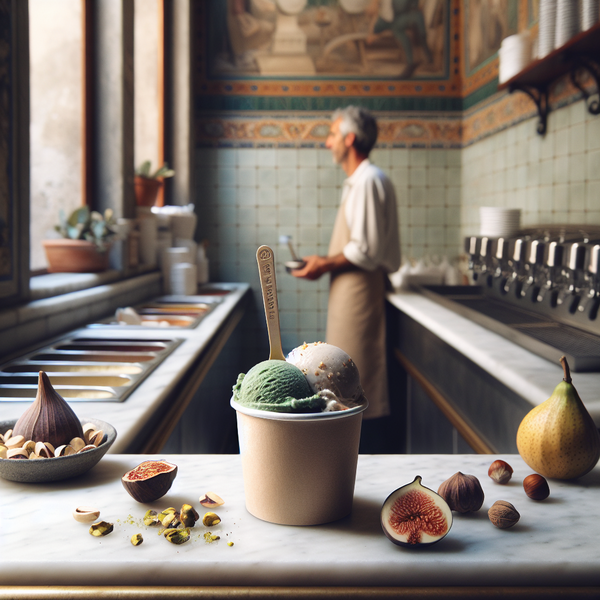
The secret to Italy’s finest gelato lies in its ingredients and how it is stored. Real gelato, unlike mass-market versions, sits in covered metal canisters called *pozzetti* to stay at the perfect temperature without exposure to air. In Bologna, for instance, Cremeria Santo Stefano hides their flavors in these pozzetti, revealing them only upon order — a sign of genuine craft. Another rule of thumb: natural colors. Pistachio should be muted sage-green, not flashy neon. And when locals step in mid-afternoon, even in winter, you know the gelateria has loyal customers, not tourists chasing dessert photos.
Hidden Gelato Gems in Northern Italy
In the north, gelato takes on a precision much like Piedmont’s approach to chocolate or Lombardy’s to risotto. In Turin, the family-run Gelateria Pepino has been crafting gelato since the 19th century and still serves the *pinguino*, the first gelato covered in chocolate on a stick, wrapped in blue foil. In Milan, try Gelateria Paganelli near Porta Venezia, a century-old shop where seasonal fruit flavors rotate weekly based on produce from local markets. Don’t expect flamboyant decoration — the subtlety is part of its authenticity.
Further east, in Verona, the city of Romeo and Juliet, Gelateria Ponte Pietra quietly serves a perfectly balanced hazelnut flavor using nuts from the Langhe region. You can take your cup across the Adige River to the Roman bridge for an afternoon stroll that many Veronese locals cherish.
Gelato Discoveries Through Central Italy
Central Italy is often associated with Florence when it comes to gelato, and rightly so. Florence is the birthplace of gelato maestro Bernardo Buontalenti, credited with inventing the modern version in the 16th century. At Carapina or La Sorbettiera, the technique of minimal air incorporation keeps flavors dense and creamy. A good gelateria will often display its ingredients clearly and proudly — locally sourced milk, Avola almonds, or Modican chocolate.
In Rome, skip the shops around Piazza Navona; head instead to Gelateria Fatamorgana in the Prati neighborhood. Try their rosemary-honey-lemon blend — uniquely Roman in its aromatic depth. Romans prefer subdued sweetness that complements their espresso rather than overpowers it. Nearby, Claudio Torcè, a pioneer of natural gelato, offers savory options like black sesame or celery, which pair surprisingly well with creamy ricotta.
Coastal and Island Gelato Traditions You Shouldn’t Miss
Italy’s coastline brings another dimension to gelato — fruits, herbs, and saline breezes shaping flavor. In Sicily, gelato often borders on granita, especially in Catania where lemon and pistachio reign supreme. Bar Al’Angolo serves theirs between two halves of a soft brioche, a breakfast ritual for Sicilians year-round. In Palermo, a small shop called Cappadonia, deep in the Ballarò market, uses pistachios from Bronte and almonds from Noto to produce a creamy yet clean finish.
On the Amalfi Coast, gelato leans citrus-forward. In Amalfi town, Gelateria Nettuno crafts their lemon flavor using fruit grown within four kilometers of the shop, while in Ravello, a few steps from Villa Rufolo, Baffone’s small counter serves basil-lime sorbet that refreshes under the coastal sun. If you’re in Liguria, try *gelato di basilico* in Genoa — yes, basil. It echoes the region’s pesto heritage but in dessert form, earthy and aromatic yet cool.
How to Identify a True Artisanal Gelateria Anywhere
The easiest way to find authentic gelato in any Italian town is to watch how locals behave. Italians rarely queue for gimmicky towers of gelato or stores selling souvenirs. Instead, they order modestly — one or two flavors, often chocolate-hazelnut combinations. Observe the freezer: if scoops are piled high, walk away. Real gelato melts too quickly to hold sculpted peaks. A stainless-steel lid over subdued containers signals proper storage.
Another test: ask for a taste. A confident gelatiere will insist you do, perhaps even suggesting flavor pairings. Mint made with fresh leaves should smell grassy rather than toothpaste-sweet. Fragola (strawberry) should taste slightly tart, as commercial puree adds none of that brightness. Italians also factor in temperature: good gelato isn’t ice-cold but creamy — eaten with a spoon that dips easily.
Gelato Pairings and Local Rituals Worth Following
Gelato in Italy is more than dessert — it’s part of daily rhythm. In Bologna, students often combine a small cup of *crema* flavor with brioche for a late lunch treat. In Venice, locals buy takeaway cups from Gelateria Nico on Zattere and sit along the canal wall with small glasses of white wine. It’s not uncommon in smaller towns like Lucca or Orvieto to see couples walking with gelato at eve hours instead of dessert after dinner.
Pairings depend on region: in Piedmont, hazelnut gelato goes alongside a shot of espresso; in Apulia, fig gelato fits perfectly after seafood dinners. If you’re exploring Umbria, look for gelaterie that use *olio extravergine d’oliva* to enrich fior di latte — a uniquely buttery twist that blends local agriculture into dessert tradition.
Learning to Make Gelato the Italian Way
A growing trend among serious travelers is enrolling in short gelato workshops. In Florence, the Carpigiani Gelato University offers a day-long lesson where you learn the science behind butterfat ratios and sugar balance. Participants work with centrifugal batch freezers, not simple home machines, producing gelato with natural stabilizers like carob flour. In Sicily, smaller agriturismi near Ragusa often include gelato making using their own pistachios and citrus.
When booking, make sure the class specifies ‘artigianale’ rather than ‘industrial’ production. Artisanal processes maintain maximum flavor retention over low churning speeds. A bonus tip: bring a small cooler if you plan to carry your creation away — most places will fill it with ice for you upon request.
Building Your Own Gelato Map of Italy
Once you have tasted real gelato across Italy’s regions, you’ll begin to notice a pattern: every area celebrates its best crops through frozen form. Keep a small travel notebook or app list of gelaterie you actually loved. You can mark flavor notes — for instance, ‘hazelnut round and milky at Santo Stefano Bologna’ or ‘zesty Amalfi lemon slightly salty near sea air.’ Over time, you’ll have a map richer than any guidebook. It’s the simplest, most delicious way to track your travels.
Even small towns — like Mantua, Pienza, or Ostuni — surprise you with single artisans preserving generations of recipes. Ask for recommendations at your local bar or market stall: Italians often share where their children insist on going for gelato. These are always the most accurate clues.
When and How Locals Eat Gelato
Gelato consumption in Italy doesn’t follow a strict seasonal rule. Even in January, it’s normal to see people holding cones after dinner. Italians argue that cold outside means flavors shine better, because your palate tires less quickly. Afternoon remains peak time though, especially between 3 p.m. and 5 p.m. when schools close.
If you’d like to mimic locals, avoid ordering whipped cream on top (*panna*), which tourists often request but Italians keep for special events like birthdays. Always start with two complementary flavors — chocolate with orange, coffee with vanilla, pistachio with almond. And eat slowly: gelato isn’t rushed food. Ordering to go is rare; most Italians stand near the counter or stroll within sight of the shop.
The Sustainable Future of Italian Gelato
As Italy advances its sustainability awareness, newer gelaterie are sourcing ingredients through ethical agriculture. Some partner directly with farmers who provide traceable nuts or dairy. In Modena, Cremeria Emilia uses recyclable cups and compostable spoons, while in Trentino, Gelato di Claudio invests in solar-chilled storage. These choices reflect a modern Italy where tradition meets environmental care.
Supporting these gelaterie not only ensures better quality but also preserves artisanship in a competitive tourism economy. When you choose authentic gelato over flashy storefronts, you contribute to Italy’s culinary heritage in the simplest of ways: by eating well. After all, real gelato was never meant to be a souvenir — it’s alive, fresh, fleeting, and best enjoyed where it was made, one slow melting spoon at a time.