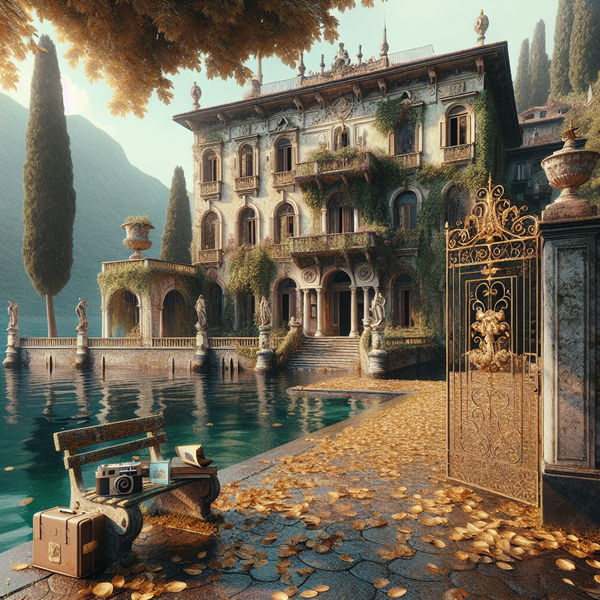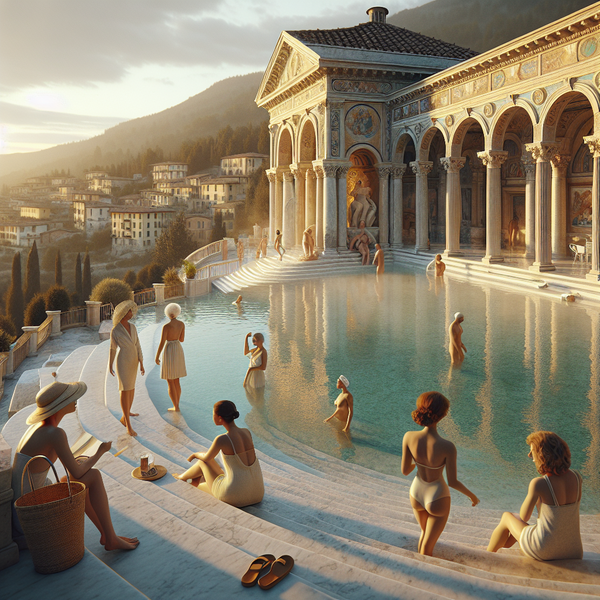
Across Italy’s varied landscapes—from volcanic hills to Alpine valleys—ancient spas have offered rest, cure, and pleasure for centuries. The Romans perfected the social ritual of bathing, and those same thermal towns remain surprisingly alive today, blending mineral tradition with modern wellness. Whether you’re drawn to natural pools steaming in open air or historic bathhouses wrapped in frescoed domes, Italy’s thermal culture is a living passage through history and geology alike.
Go to the section
ToggleThermal Baths in Tuscany: From Saturnia’s Sulfur Springs to Montecatini’s Grand Hotels
In southern Tuscany, the Cascate del Mulino near Saturnia cascade down travertine shelves into turquoise basins. The water, at around 37°C, flows freely day and night, no ticket required; even in winter you’ll find locals soaking under the stars. Bring water shoes to navigate the limestone, and arrive early morning to enjoy the quieter hours. Nearby, in town, the Terme di Saturnia Spa & Golf Resort offers enclosed pools and mud therapies using the same sulfur-rich source.
Further north, Montecatini Terme has long been Tuscany’s premier spa retreat, a place where Puccini composed and royalty took the waters. The Tettuccio Terme complex, with its colonnades and frescoes, still serves drinkable mineral water prescribed for digestion. Modern visitors may combine this ritual with a massage or a concert at the liberty-style pavilion. Staying at the nearby Grand Hotel Plaza & Locanda Maggiore keeps you within walking distance of both the baths and the town’s evening passeggiata along Viale Verdi.
Veneto’s Euganean Hills: Italian Spa Culture Near Venice
Just 50 km west of Venice, the Euganean Hills Thermal District clusters around Abano and Montegrotto Terme, where geothermal water wells up from volcanic rock before being cooled for use. The area has one of Europe’s most refined spa infrastructures, with dozens of hotels owning private thermal pools fed by certified sources. If you choose a stay at Hotel Terme Metropole or Terme Preistoriche, you’ll see how mud from the surrounding hills is matured for over 60 days before being applied as a therapeutic wrap—an Italian medical specialty formally recognized by the National Health Service.
The town centers themselves are relaxed, more about quiet promenades than nightlife. Local buses link Abano and Montegrotto with Padua in under 30 minutes, making it easy to combine sightseeing—Giotto’s frescoes, Caffè Pedrocchi—with afternoon hydrotherapy. Many travelers rent e-bikes from the tourism office to cycle a section of the Anello dei Colli Euganei bike trail, passing vineyards producing the fragrant Fior d’Arancio DOCG wine.
Natural Pools and Wild Spas in Central and Southern Italy
For a more rustic immersion, head to Bagni San Filippo on the edge of Monte Amiata in southern Tuscany. Here mineral water deposits form white calcium cliffs known as the Balena Bianca—the White Whale. Access is free and open, but space is limited; weekends bring crowds, so weekday mornings are best. There are no changing facilities, so bring a towel and respect the environment by taking any litter with you.
In Lazio, the vast Thermae of Viterbo area includes the Terme dei Papi, where the open-air thermal pool measures over 2,000 square meters. You can float beneath medieval towers while locals sip espresso from the pool bar—typical Italian practicality meeting leisure. A short drive away, farmers point visitors to the Bagnaccio pools, informal basins surrounded by olive trees, slightly cooler and far less formal but continuously fed by the same volcanic spring.
Find all the best hotel deals
Book now
Alpine and Northern Spa Escapes: From Merano to Bormio
In South Tyrol, Merano stands out for its bilingual culture and sophisticated spa design. The glass-and-steel Terme Merano complex offers over 25 indoor and outdoor pools, framed by mountain peaks and palm-dotted gardens. A single-day ticket includes access to saunas, salt rooms, and cold plunges. After a morning of treatments, stroll the Passer Promenade to sample strudel or alpine cheese at the Saturday market—few places blend Tyrolean and Italian lifestyles so smoothly.
Westward in Lombardy, Bormio shares its thermal heritage with Roman legends. Its three key facilities—Bagni Vecchi, Bagni Nuovi, and Terme di Bormio—offer very different atmospheres: from candlelit caves hewn out of rock to panoramic infinity pools overlooking the Stelvio National Park. Pack a light jacket; even in summer, evenings cool quickly at 1,200 meters. Public buses link the spas with the town center and the ski lifts, so it’s feasible to alternate slope days and thermal recovery without a car.
Discover the best local experiences
Join guided spa tours and local tastings
Southern Italy’s Overlooked Thermal Secrets: Ischia, Campania, and Sicily
The island of Ischia, in the Bay of Naples, is one of Europe’s oldest thermal destinations, shaped by volcanic energy. The Poseidon Gardens at Citara Bay count over 20 pools terraced down toward the sea, each with slightly different mineral content and temperature. Admission includes sea access; locals know to bring flip-flops for the stone walkways and to alternate hot and cold pools for optimal circulation. For a quieter setting, take the local bus to Negombo Park on the opposite coast, known for its lush Mediterranean gardens and sunset views toward Procida.
On the mainland, Agnano Terme near Naples was once favored by ancient Greeks who attributed divine powers to its vapor caves. Modern facilities now harness those same fumaroles for steam therapy. In Sicily, the Terme di Sciacca and Terme di Vulcano in the Aeolian Islands continue the southern spa tradition, though currently some operate seasonally. On Vulcano, you can float in a natural mud lagoon beside the sea and rinse off in warm saltwater—a reminder that Italy’s geology still writes new chapters to its bathing story.
How to Organize a Thermal Tour of Italy
Because spa towns are well distributed across central and northern Italy, it’s feasible to plan a route linking several regions. Start with Florence or Bologna as transport bases: high-speed trains connect these cities with stops near Montecatini, Padua, and later Milan for Bormio connections. Renting a car makes it easier to reach countryside springs like Saturnia or Bagni San Filippo, where public transport remains limited.
Pack a lightweight robe, flip-flops, and a waterproof bag for wet swimsuits; most spas require swimming caps. Note that several thermal centers—particularly in Tuscany and Veneto—offer medical checkups for mud therapy, usually at no extra charge with a multi-day pass. Calling ahead or booking online ensures access to limited sections like private grottos or night openings.
For each area, plan at least two nights. That lets you balance spa sessions with local experiences such as vineyard visits or art towns: Pienza near Saturnia, Este near Abano, and Bolzano near Merano all make excellent side trips. Beyond their soothing waters, these towns preserve the rhythm of older Italian travel—slow mornings, sociable evenings, and a strong link between health, food, and landscape.
Understanding the Science and Etiquette of Italian Thermal Baths
Italian thermal waters are classified according to mineral content—sulfurous, bicarbonate, or ferruginous—each suited to specific treatments approved by the Ministry of Health. Even short exposure times can have measurable effects, so most spas recommend 15–20 minutes per immersion, followed by cool-down rest. Drinking cures, still practiced at Montecatini and Salsomaggiore, are guided by an in-house physician who determines dosage and timing.
Etiquette matters, too: shower before entering pools, keep voices low, and avoid sunscreen or oils in thermal waters, as they can react with minerals. Many spas conduct a weekly cleaning day when certain pools close for maintenance; check timing to avoid disappointment. Italians often combine spa visits with light lunches—steam followed by salad or risotto, never heavy meals—restoring the balance between indulgence and health.
Seasonal Tips: When to Experience Italy’s Spa Towns at Their Best
Autumn and spring are ideal seasons for Italian thermal travel: cooler air enhances the pleasure of warm pools, and accommodation prices dip between main tourism peaks. In the Alps, Merano and Bormio heat pools even during heavy snowfalls, making winter particularly photogenic. Summer brings crowds to open-air spots like Saturnia, though early mornings remain calm and often mist-shrouded. Many spas host evening openings in August with live jazz or candlelight hours, blending leisure with atmosphere.
Most thermal towns celebrate local festivals tied to health, water, or grape harvests. Montecatini’s Settimana del Benessere features guided walks through its Liberty-era parks, while Abano’s October fair showcases wine from the Euganean Hills served in miniature bottles. Time your travels around these events and you’ll tap into the Italy that locals still cherish—an Italy that teaches wellness as an art, not an industry.
Bringing the Spa Tradition Home
After days soaking in mineral-rich pools, you may want to continue the ritual at home. Many spa towns sell locally sourced salts and mud in pharmacy shops; ensure labels indicate “fango termale DOC” for authenticity. Small bottles of Saturnia water, for example, are used for at-home inhalations, while Ischia produces volcanic clay for face masks. Italian pharmacists will gladly explain how best to use them.
More than superficial luxury, Italy’s spa towns invite travelers to slow their pace and rediscover wellbeing in places where history and geology meet. From mountain valleys to volcanic coasts, each thermal source tells a story of earth, art, and resilience. Follow the steam rising from stone, and you may find the quietest kind of Italian beauty—one that lives in warmth, water, and time itself.