The crisp air of northern Italy carries a distinct scent by late autumn — earthy, musky, impossible to forget. That’s when truffle season begins in Piedmont, and locals take to the forests with their faithful dogs, searching for one of the most prized ingredients in the culinary world. Truffle hunting here isn’t a tourist gimmick; it’s a rural ritual deeply tied to the land and its people. To truly understand Piedmont, you have to follow its truffle hunters into the woods, muddy boots and all.
Go to the section
ToggleUnderstanding the Truffle-Hunting Culture of Piedmont
Piedmont, known in Italian as Piemonte, sits in Italy’s northwest, bordered by the Alps and the rolling Langhe hills. This region is the spiritual home of the tartufo bianco d’Alba — the celebrated white truffle. Unlike the French black truffles of Périgord, the white truffle can’t be cultivated; it only grows in symbiotic harmony with certain trees such as oaks, poplars, and hazelnuts, under very specific soil and moisture conditions. Hunters, or trifolau, keep their foraging spots secret, sometimes passing them through generations like family heirlooms.
The capital of this culture is the town of Alba, about an hour’s drive from Turin. Every fall, Alba hosts the International White Truffle Fair, where prices for perfect specimens can exceed several thousand euros per kilogram. But the real beauty of truffle hunting in Piedmont isn’t the market auction; it’s being in the woods at dawn, watching a trained dog find a buried treasure.
Choosing Where to Go Truffle Hunting in Piedmont
Although Alba may be the most famous hub, many smaller hill towns offer a more personal and rewarding truffle-hunting experience. Near Barolo and La Morra, you’ll find vineyards that merge into truffle-rich groves. In Moncalvo, northeast of Asti, hunters go after the prized white truffles in early autumn, while in the Roero region to the north, you can join excursions in oak-filled valleys where the soil is looser and sandy — a favorite of the elusive tartufo nero, the black winter truffle.
Most guided hunts take place within private woodlands, accessible only through licensed local guides. You can book a half-day hunt from agencies based in Alba, or through agriturismi (farm lodges) that partner with regional truffle associations. Some reputable family-run farms near Roddi and Neive also combine truffle hunting with wine tastings — an excellent way to experience Piedmont’s close relationship between land and cuisine.
What to Expect During a Truffle-Hunting Excursion
Don’t expect a leisurely stroll. Truffle hunting in Piedmont means uneven ground, fog that clings to your scarf, and sometimes a steady autumn drizzle. Wear waterproof shoes or hiking boots, and avoid synthetic perfumes — dogs rely entirely on scent. The hunt usually begins around 7:00 a.m., sometimes earlier if the summer has been dry and the soil harder.
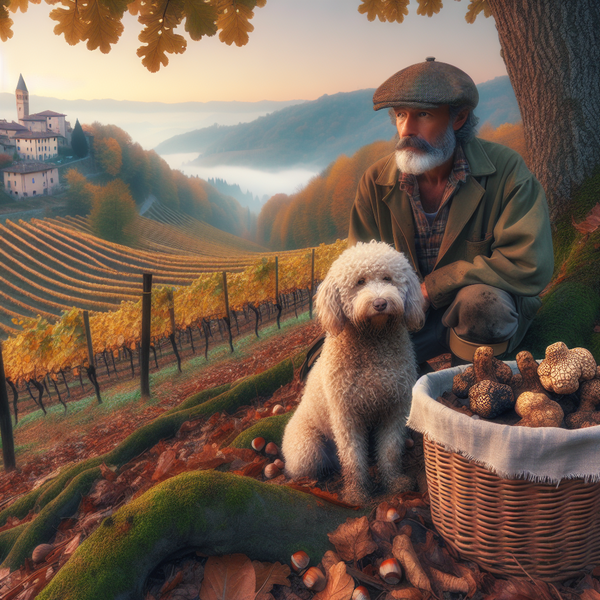
A typical excursion lasts about two hours and includes walking through forested hills guided by the trifolau and their dog, often a Lagotto Romagnolo. When the dog starts pawing at the ground, the hunter steps in carefully with a small hoe, extracting the soil by hand to avoid damaging the truffle. If you’re lucky enough to unearth one, you’ll be allowed to sniff it on the spot — the scent is intoxicatingly complex: garlicky, sweet, with hints of honey and damp leaves.
After the hunt, many hosts invite you back to their home or farmhouse for a simple meal: raw egg yolk drizzled with thin truffle shavings, tajarin pasta freshly rolled by hand, or creamy risotto cooked with Barolo wine. For most travelers, that rustic table feels like the culmination of the morning’s discovery — authentic and deeply satisfying.
Find all the best hotel deals here
Seasonal Timing and How to Book a Truffle Hunt in Piedmont
The two main truffle seasons define the rhythm of Piedmont’s rural year. White truffles appear roughly from mid-September to late December, depending on weather and soil humidity. Black truffles (summer and winter species) can be found from January through March and again in early summer. Always verify the hunting schedule before planning, as permits and regional restrictions can shift slightly with rainfall patterns.
To book responsibly, choose registered guides accredited by local truffle associations such as the Ente Fiera Internazionale del Tartufo Bianco d’Alba. Many operators include transport from major towns like Alba, Bra, or Asti. Expect prices ranging from €60 to €150 per person, depending on group size and whether a meal is included. Private hunts cost more but allow for deeper conversation with the hunter and personalized pacing through the forest.
If you want to pair your truffle hunt with a stay in a working vineyard, consider agriturismi such as Cascina Desderi near Asti or Agriturismo Il Boscareto in Serralunga d’Alba. Many offer packages that combine truffle excursions, wine tastings, and cooking lessons with local chefs who explain how to shave truffles properly with a steel mandoline.
Discover the best local experiences here
Responsible and Ethical Truffle Hunting Practices
Truffle hunters in Piedmont take environmental stewardship seriously. Digging too aggressively can damage roots, making forests less productive over time. Ethical trifolau use hand tools and refill the holes once they’ve collected a truffle, preserving soil health. When booking, ask guides whether they are licensed and whether their dogs are trained humanely — unfortunately, the demand for white truffles has spawned some unethical practices elsewhere in Italy.
Visitors are encouraged not to share GPS locations or geotag exact sites on social media. The fragile ecosystem that sustains truffles depends on discretion. Instead, focus on the human story — the relationship between hunter and dog, the patience it requires, and the respect it shows to the land.
Complementary Experiences: Food, Wine, and Local Markets
No truffle hunt in Piedmont is complete without savoring the region’s other gifts. Stop in Barolo for a guided tasting of Nebbiolo wines aged in oak barrels; the tannins pair beautifully with the creamy fattiness of truffle dishes. Visit Bra, the birthplace of the Slow Food movement, to find small markets trading hazelnuts from Cortemilia and cheese like Robiola di Roccaverano. These same markets often sell freshly unearthed truffles wrapped in wax paper and stored in rice for preservation — a tip locals use to keep the aroma alive for a few extra days.
If you’re in Alba during the truffle fair, go early in the morning when the scent of the halls is still strong but the crowds are thinner. You can watch as buyers inspect truffles with flashlights and magnifying glasses, checking for cracks that would downgrade their value. Some stalls even allow you to compare scent profiles between truffles harvested in nearby villages — a subtle but fascinating difference driven by microclimate and soil chemistry.
Practical Tips for a Smooth Truffle-Hunting Trip
For travelers arriving from abroad, Turin is the easiest gateway, with car rentals available at Turin-Caselle Airport. From there, it’s about 90 minutes to Alba via the A6 autostrada. Public transport is possible but less convenient; truffle hunts usually start before public buses run. Renting a compact car ensures flexibility for exploring the hill towns and vineyards scattered across the Langhe and Monferrato landscapes.
Pack light but smart: waterproof boots, a warm jacket, and a small cloth to clean your shoes after the forest walk. Bring euros in cash — some small farms don’t accept cards. If you buy truffles to take home, ask the vendor to vacuum-seal them; customs regulations often restrict exporting raw truffles beyond the EU. If allowed, refrigerate them in a sealed jar with dry rice or eggs to preserve the aroma for a few days.
Immersing Yourself in Piedmont’s Truffle Tradition
Truffle hunting in Piedmont is far more than a culinary experience. It’s a quiet meditation on the bond between humans, animals, and landscape. In the misty light beneath oak leaves, you’ll grasp why locals speak of truffles almost with reverence. Every sniff of soil and wag of a tail is an act of patience handed down through generations. Long after the last dish of tajarin is gone, that memory — the scent of earth awakening underfoot — stays with you, as vivid as the truffle itself.