From the snow-dusted streets of Venice in winter to the citrus-scented coastlines of Sicily in spring, Italy’s festivals unfold like a living color wheel through the seasons. Each celebration reflects a mix of faith, local pride, and pure exuberance. If you plan your journey around these events, you’ll witness an Italy that feels both ancient and freshly alive.
Go to the section
ToggleWinter Wonders: Carnevale di Venezia and the Battle of the Oranges in Ivrea
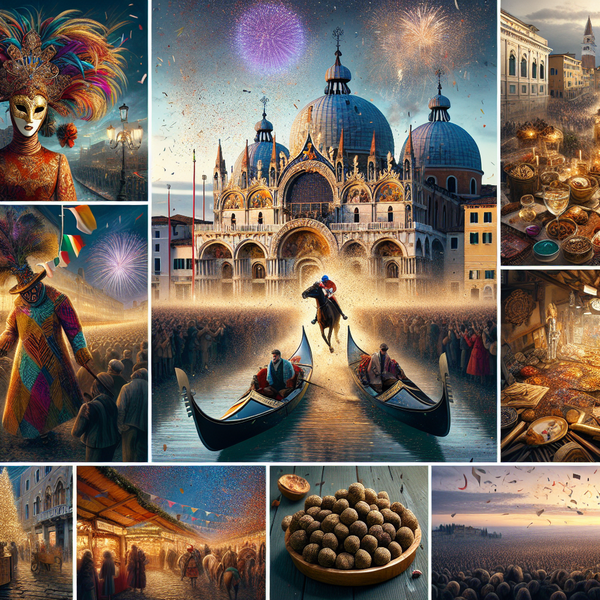
January and February bring contrast — misty canals in the north and blazing carnival masks across piazzas. The Carnevale di Venezia is the most famous, dating back to at least the 12th century. Locals still don intricate masks inspired by historical figures; you’ll spot the white-nosed Bauta and the enigmatic Moretta along Piazza San Marco. It’s best to book a mask-making workshop in the Dorsoduro district if you want an insider’s experience — artisans like Ca’ Macana still use papier-mâché techniques passed down for generations.
Further west in Piedmont, the Battle of the Oranges in Ivrea turns the streets into a pulpy, orange-scented battlefield. Held during three February days, teams dressed in medieval costumes hurl oranges to symbolize the fight against tyranny. If you want to stay out of the fray but close to the energy, grab a vantage point on the balconies of Via Palestro — those spots sell out early, so reserve accommodation before Christmas.
Spring Reawakening: Sicily’s Almond Blossom Festival and Florence’s Scoppio del Carro
In early March, Sicily’s Sagra del Mandorlo in Fiore transforms Agrigento into a floral celebration. Almond trees bloom across the Valley of the Temples, painting the ancient Greek ruins with clouds of pale pink. Folk groups from across Europe parade with traditional dances; if you’re driving the island, follow the SS640 road toward Agrigento — the view of temple silhouettes framed by blossoms is unforgettable.
Northern Italy welcomes spring with a spectacular explosion in Florence: the Scoppio del Carro, or “Explosion of the Cart,” held every Easter Sunday. A decorated cart packed with fireworks is pulled by white oxen from Porta al Prato to the Duomo. At exactly 11 a.m., a mechanical dove — the colombina — flies from the altar to ignite the display. Local families fill Piazza del Duomo early, and the atmosphere is equal parts sacred and sensory.
Summer Splendor: Siena’s Palio and Puglia’s Festa di San Domenico
Few summer events rival the intensity of Il Palio di Siena. Twice each summer, on July 2 and August 16, the shell-shaped Piazza del Campo becomes a horse-racing arena. Ten of the city’s seventeen contrade, or neighborhoods, compete with medieval pride that dates back centuries. Tickets for balcony seating above the Campo are notoriously scarce — try booking through a local contrada association for a more authentic experience.
On the Adriatic side, in the town of Vòli (now Puglia’s coastal highlight), the Festa di San Domenico—also called the Festival of the Serpents—takes place in early May in Cocullo. Here, the statue of Saint Dominic is wrapped with live snakes and carried through the streets. Devotees bring serpents gathered from nearby hills, a ritual blending ancient pagan culture and Christian devotion. Arrive by train to Sulmona and take the regional bus to Cocullo since the narrow roads close to private cars on that day.
Find all the best hotel deals here.
July Fireworks and Floating Candles: Umbria, Liguria, and Naples
In Gubbio, Umbria, the Corsa dei Ceri dazzles the third Sunday of May but often re-emerges during summer festivals. Townspeople race up Monte Ingino with massive wooden candles weighing around 300 kilograms. The sound of church bells mixes with drumbeats echoing through medieval streets — it’s pure adrenaline in a small town setting.
Further west, Liguria’s Festa della Madonna della Bruna in Matera and the Festa della Stella Maris in Camogli both honor the sea. The Camogli version, on the second Sunday in August, ends with thousands of floating candles illuminating the harbor at sunset. You can join locals in buying paper lanterns from waterfront stalls — proceeds usually support the town’s fishermen cooperative.
Naples closes summer with fireworks over the bay during the Festa di San Gennaro on September 19. Inside the Duomo, locals await the liquefaction of the saint’s blood, a miracle said to protect the city. Outside, the neighborhood of Spaccanapoli bursts with food stalls selling fried pizza and sfogliatelle. If you want front-row views of the pyrotechnics, find a rooftop terrace bar in the Vomero neighborhood.
Discover the best local experiences here.
Autumn Traditions: Alba’s Truffle Fair and the Grape Harvest in Tuscany
Autumn marks Italy’s most aromatic season. In the Piedmont town of Alba, the Fiera Internazionale del Tartufo Bianco runs through October and November, celebrating the prized white truffle. The fairground in Cortile della Maddalena fills with earthy scents and expert judges grading truffles by aroma and size. Book truffle-hunting walks in the Langhe hills from nearby towns like La Morra or Neive — guides often bring trained dogs and offer tastings of Barolo wine afterward.
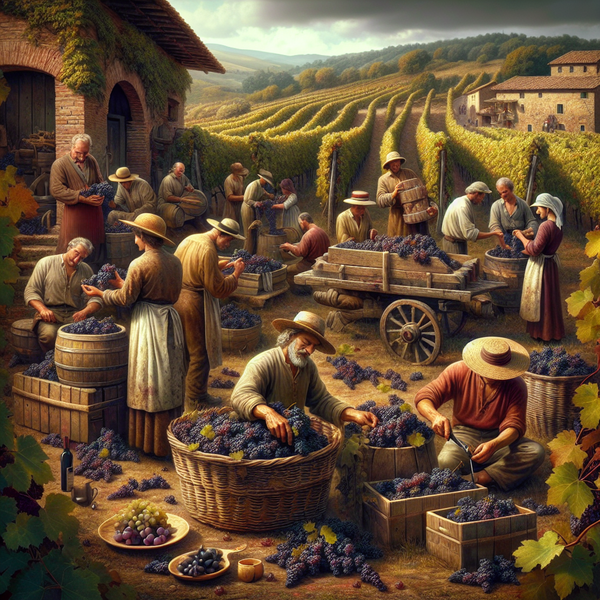
Meanwhile, Tuscany’s hills hum with harvest energy. The Festa dell’Uva in Impruneta near Florence kicks off in late September. Teams compete with elaborate floats decorated in grape clusters. If you prefer a quieter celebration, visit Montepulciano or Montalcino during vendemmia, when wineries open their cellars to small groups for pressing demonstrations and lunch among the vines.
Festive Finale: Christmas Markets and Living Nativities Across Italy
As December arrives, Italy glows with lights and cribs rather than fireworks. The Mercatini di Natale (Christmas Markets) in Bolzano and Merano are particularly atmospheric, blending Italian warmth with Alpine charm. Vendors sell handmade ornaments from Val Gardena and steaming vin brulé. Take the train from Verona — the route through Trentino’s valleys offers snow-dusted views of castles and vineyards.
In the south, the Presepe Vivente (living nativity scenes) bring biblical stories to life. Matera’s sassi districts and the caves of Custonaci in Sicily host some of the most evocative. Locals dress as shepherds and artisans, and you can walk among them as candlelight flickers on ancient stone walls. Some towns require advance booking as visitor numbers are capped to preserve the atmosphere.
Planning Tips for Experiencing Italy’s Colorful Festivals
Traveling around festival times takes foresight. Accommodations in cities like Venice, Siena, and Florence sell out months in advance, so it’s wise to pair major events with smaller-town stays — for example, base in Pisa instead of Florence for Easter week. Always check local transport: regional trains may run special schedules, while small villages often close roads entirely during parades.
Pack practical shoes and light layers; most festivals involve long hours outdoors, from frosty February mornings to humid July nights. Bring cash for food stalls since smaller villages often lack card terminals. And because festival dates can shift with religious calendars, confirm them via the official city tourism websites before finalizing flights.
Why Following Italy’s Festivals is the Best Way to See the Country
Every celebration draws you into a different rhythm of Italy — from the hushed devotion of Easter fireworks in Florence to the wild citrus volleys of Ivrea. These festivals are not museum pieces but living rituals inviting participation. Whether you join villagers carrying torches in the Umbrian hills or sip mulled wine in Trentino’s markets, each event reveals how deeply Italians blend art, faith, and community. Follow the trail of these festivals, and you’ll experience Italy not as a tourist, but as a welcomed guest in its ongoing story.