Dawn in Verona comes softly, washing over terracotta rooftops and quiet piazzas before the day’s first cappuccinos appear. Though often overshadowed by Venice and Milan, Verona rewards those who slow down: a compact, walkable city where every corner tells a story — sometimes Roman, sometimes Renaissance, always deeply Veronese. With one perfectly planned day, you can taste, walk, and witness the layers that earned Verona its UNESCO World Heritage status.
Go to the section
ToggleMorning: How to Enjoy Verona’s Historic Center Without the Crowds
Start your Verona morning early at Piazza Bra, the city’s grand square that’s also home to the Roman Arena di Verona. Arrive between 8:00 and 8:30 a.m., before the tour groups descend. This amphitheater — older than Rome’s Colosseum — still hosts summer opera performances, but in the morning it’s calm enough to trace the worn limestone seats in peace.
Afterward, head to Caffè Wallner beside Via Mazzini for a cappuccino and a warm brioche alla crema. Italians rarely linger over breakfast, but here you can take five minutes at the bar and watch locals rush off to work. Stroll down Via Mazzini, Verona’s main shopping artery paved with marble so smooth it glistens, and you’ll naturally arrive in Piazza delle Erbe, the city’s true heart. This was once Verona’s Roman forum, and you can still spot original fountain basins and medieval frescoes on the façades above.
If you’re visiting on a Saturday, the square hosts a small open-air market selling fruit, spices, and seasonal flowers from the Veneto region. Walk a few steps further into Piazza dei Signori, nicknamed Verona’s “living room,” framed by the elegant Loggia del Consiglio and Dante’s statue, which locals affectionately call “el poeta.”
Late Morning: Walking Verona’s Hidden Alleys and Juliet’s Balcony
No matter how you feel about Shakespearean romance, you can’t skip Casa di Giulietta on Via Cappello. Go before 10:00 a.m. to avoid the crowds pressing under the famous stone balcony. The courtyard itself is free to enter, but if you want to stand on the balcony, you’ll need a ticket from the small museum inside, which houses Renaissance-era costumes and letters from visitors left on the walls below.
From there, slip away into the shaded lanes leading toward the Adige River. Stop at Osteria del Bugiardo for an early glass of Valpolicella Ripasso or a small tasting plate of local cheese and soppressa. A typical Veronese snack is the cicchetto — a tiny crostini with anchovy and butter or speck and gorgonzola — perfect fuel for wandering.
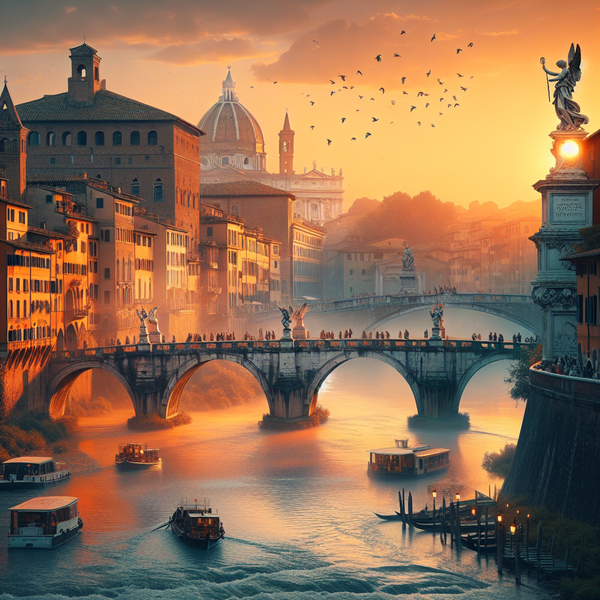
Cross the Ponte Pietra, Verona’s oldest bridge, a combination of Roman foundation and medieval reconstruction. From halfway across, pause to look back at the tiled rooftops packed tightly along the river and the medieval tower of Santa Anastasia on your right.
Midday: A Leisurely Verona Lunch and Hilltop Panorama
By noon, Verona’s shops close and the rhythm slows — ideal for a lingering lunch. At the foot of the bridge, find Trattoria al Pompiere on Vicolo Regina d’Ungheria, a century-old restaurant known for its house-made bigoli all’anatra (duck ragù pasta) and excellent Amarone selection. Ask for their table near the wine racks and enjoy a meal that feels both rustic and sophisticated, much like Verona itself.
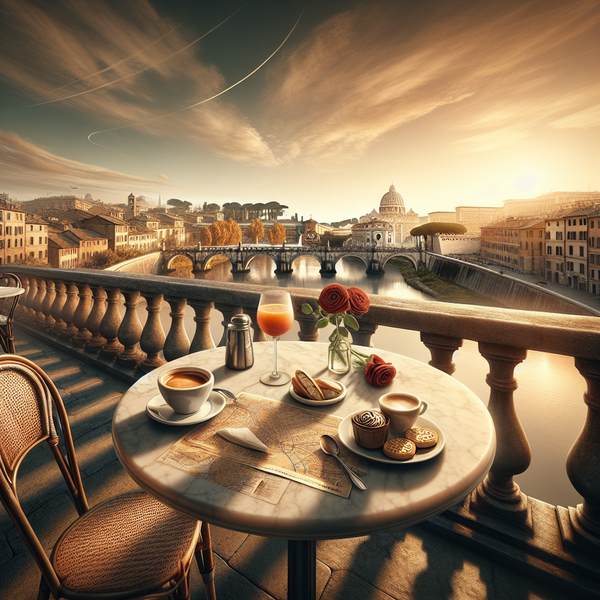
After lunch, you have a choice: either climb or ride the funicular from Via Fontanelle Santo Stefano to Castel San Pietro. The 90-second ride costs just a few euros and brings you to one of Verona’s most sweeping viewpoints. From here, you can see the sinuous path of the Adige, the bell towers punctuating the skyline, and the soft bronze tinge that the buildings take on in the afternoon light.
Bring water — especially if you climb the stairs instead of riding the funicular — and rest under the stone balustrades. The upper terrace is a wonderful spot for photos without feeling staged, especially around 2:30 p.m. when most visitors have gone back toward the center.
Afternoon: Exploring Verona’s Artistic Side and Café Culture
Coming down from Castel San Pietro, make a stop at Chiesa di Sant’Anastasia, a Gothic church famed for its red and white marble columns and the whimsical hunchback statues holding holy water stoups by the entrance. Inside hangs Pisanello’s fresco “Saint George and the Princess,” a jewel of early Renaissance art that’s rarely crowded despite its importance.
Next, take advantage of the cooler hours and visit the Giardino Giusti across the river on Via Giardino Giusti 2. This late-Renaissance garden was once admired by Goethe, with terraced lawns, cypress-lined paths, and a small maze. It’s one of Verona’s quiet refuges and worth the moderate entrance fee. The panoramic terrace at the top aligns perfectly with the city’s church domes, offering a painter’s composition of curves and towers.
Back in the center, pause for coffee at Caffè Tubino on Corso Porta Borsari. Ask for a cold caffè shakerato — espresso, ice, and sugar shaken into a creamy froth — a local summer favorite. Italians typically prefer quick coffee, but in Verona, the rituals around an afternoon cup are surprisingly unhurried, especially in these shaded arcades where conversation lingers as long as the flavor.
Evening: Where to Dine and Stroll in Verona After Sunset
Evening is when Verona shifts moods entirely. Locals begin the aperitivo hour around 6:30 p.m. Head to Piazza Bra again — this time alive with people — and order a spritz made with Aperol or the slightly more bitter Select. The small bar at Caffè Liston 12 serves it with complimentary olives and crisps while street musicians perform under the Arena’s arches.
When hunger sets in, avoid the restaurants right on the piazza. Instead, wander a few blocks to Via Sottoriva, a covered lane near the river where restaurants are housed under medieval brick arches. Osteria Sottoriva is a local favorite for its risotto all’Amarone, cooked with the region’s signature red wine until perfectly creamy. Reserve ahead if you’re visiting on a weekend; tables fill quickly even in off-season.
After dinner, stroll back toward the Arena for a nighttime view. The softly lit arches and the hum of conversation from passing crowds give this ancient monument an energy you won’t find in museums. If an opera is scheduled, consider buying a last-minute upper-tier ticket; they’re inexpensive, and the acoustics are extraordinary even from the stone steps.
Final Tips for Spending One Perfect Day in Verona
Verona is compact, but plan your route to minimize backtracking. Begin at Piazza Bra and finish your evening near Via Sottoriva to maximize daylight hours. Wear comfortable shoes — marble streets can be slippery — and bring small change for cafés that don’t accept cards under €10. The Verona Card, available from tourist offices and many hotels, grants skip-the-line entry to major monuments like the Arena and Juliet’s House, and pays for itself with just two museum visits.
If your visit falls on a Sunday, remember that many boutiques close in the afternoon, but churches and gardens remain open. Monday is slightly quieter, making it ideal for travelers seeking more space around popular attractions. For souvenirs, skip the mass-produced trinkets and look for handmade paper at Verona Illustrazione on Via Ponte Pietra or bottles of Amarone from the Cantina della Scala wine shop.
In one day, Verona can give you glimpses of Roman might, Renaissance elegance, and an everyday Italian rhythm that’s neither rushed nor overly polished. It’s best savored like an Amarone: slowly, letting the layers reveal themselves long after you’ve left the glass — or the city — behind.