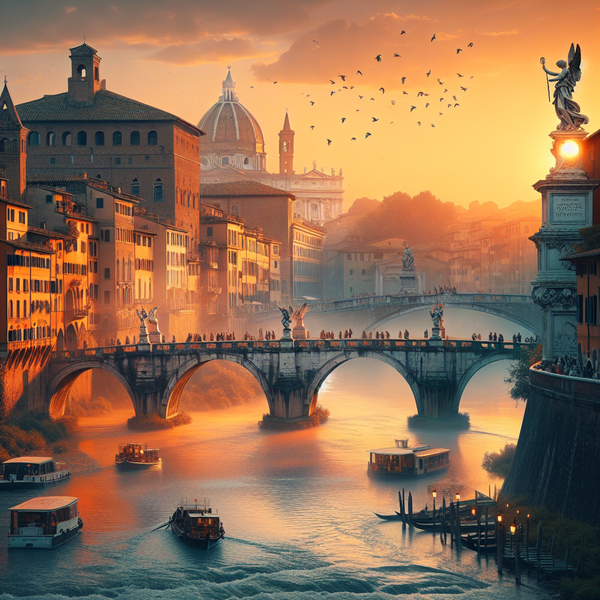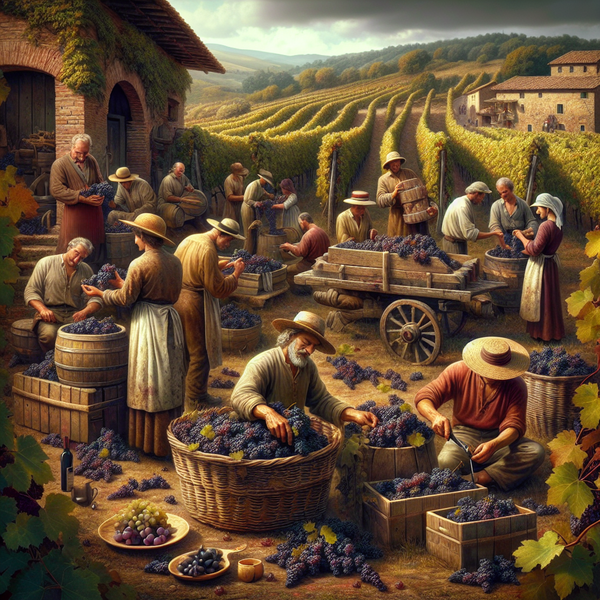
Arriving in Italy for the first time feels like stepping into a living postcard—ancient ruins, rolling vineyards, and bustling piazzas all around you. But as magical as this country may be, many travelers unknowingly stumble into avoidable pitfalls that can sour their experience. Whether it’s misjudging distances between cities or misunderstanding local dining customs, Italy requires some insider knowledge to navigate smoothly. If you’re gearing up for your first Italian adventure, there are common mistakes you’ll want to avoid. Here’s your detailed guide to doing Italy right—from planning your itinerary to enjoying the rich local cuisine—without falling into tourist traps.
What to see
Don’t try to see it all
A major rookie error in Italy is over-scheduling. With so many iconic sights—Rome’s Colosseum, Venice’s canals, Florence’s art museums—it’s tempting to pack your itinerary to the brim. But rushing through cities means you miss the authentic beauty that lies in unhurried exploration.
- Limit your trip to 2–3 main cities or regions
- Opt for quality of experience over quantity of sights
Instead of trying to visit Rome, Naples, Florence, and Venice in one week, pick two and explore them deeply. The slower pace gives you time to appreciate the details—the morning rituals at the local bar, the craftspeople at work in small shops, or that unexpected church tucked away in a side alley.
Need more information on Italy’s best travel locations? Discover more by visiting one of the best online travel platforms.
Don’t skip the smaller towns
Yes, city highlights are unforgettable, but Italy’s soul often lives in its smaller towns. If you focus only on major cities, you’ll miss out on the charm of lesser-known destinations.
- In Tuscany, think about visiting Lucca or Montepulciano
- For coastal beauty, consider Cinque Terre or Polignano a Mare
- In the north, check out Bergamo or Parma
These towns are often more affordable, less crowded, and just as visually striking as their famous neighbors. They also offer a chance to connect more authentically with local communities.

What to do
Avoid dining near tourist sites
One of the most common travel mistakes in Italy is eating in proximity to major landmarks. While it may be convenient to step into a restaurant near the Trevi Fountain, you’ll likely pay more for a lower quality meal.
- Walk at least 5–10 minutes away from major attractions before choosing a restaurant
- Look for spots where the menu is written only in Italian
- Check if locals are eating there—that’s a promising sign
These quick checks can vastly improve the authenticity of your meal and help you avoid overpriced, inauthentic food.
Don’t rely solely on taxis
Italy’s public transportation is reliable, comprehensive, and budget-friendly. Many first-time travelers assume taxis are the quickest way to get around, but they are often unnecessary and expensive.
- The train system connects most major and minor cities efficiently
- Public buses and metros are easily navigable with a little planning
- High-speed trains like Frecciarossa and Italo are excellent for long distances
We recommend you download local transportation apps like Trenitalia or Moovit to simplify navigation. Always validate your tickets at the machines before boarding regional trains—failing to do so can result in steep fines.
Respect local etiquette
Understanding cultural norms is essential. Small missteps can unintentionally come off as rude. For example:
- Don’t order a cappuccino after 11 a.m.—this is considered a breakfast item
- Dress modestly when visiting churches (shoulders and knees covered)
- Learn a few basic Italian phrases; a little effort goes a long way with locals
By respecting cultural expectations, you’ll receive more warm welcomes and possibly even insider tips from friendly locals.
Itineraries
Plan realistic travel times
Italy might look compact on a map, but travel times can be deceiving. Train rides between cities are convenient, but navigating small towns often requires either buses or rental cars, which can be slow.
- Rome to Florence: around 1.5 hours by high-speed train
- Florence to Venice: about 2 hours
- Florence to Siena: 1.5 hours by bus, not train
Factor in wait times, transfers, and traffic if using a car. Avoid booking back-to-back travel days, and leave room for spontaneity.
Beware of closed days
Another common mistake is not checking museum and cathedral schedules. Many institutions close one day a week, usually Monday or Tuesday.
- The Vatican Museums are closed on Sundays except the last one of each month
- Small town shops often close midday for a few hours of riposo
- Restaurants may shut down one day per week—always check online or call ahead
To avoid disappointment, look up opening hours while planning. Booking tickets in advance for popular sites not only secures your spot but can also help you skip long lines.
Local cuisine
Don’t expect “Italian food” to be the same everywhere
Italian cuisine is intensely regional. Assuming dishes like spaghetti carbonara or Neapolitan pizza will be served nationwide is a misunderstanding of Italy’s deep culinary traditions.
- Carbonara and cacio e pepe are Roman specialties
- Risotto and polenta reign in the north
- Sicily offers regional treats like arancini and cannoli
Menus change depending on the region, and that’s the fun of it. Ask your server for *piatti tipici* (local dishes) and try something new. Embrace the diversity—it’s one of Italy’s greatest strengths.
Don’t skip aperitivo
One of Italy’s best traditions is the evening aperitivo—essentially a pre-dinner drink often served with complimentary snacks.
- Popular in cities like Milan, Turin, and Bologna
- Order a spritz, Negroni, or a glass of wine
- Find bars that offer a buffet or platter of small bites with your drink
It’s delicious, sociable, and cost-effective. For the price of one drink, you often get a light meal—perfect for travelers on a budget.
Budget tips
Don’t spend unnecessarily on water and coffee
Buying bottled water and sitting down for coffee can add up quickly. But there are cheaper, smarter ways to enjoy both.
- Use public drinking fountains labeled “acqua potabile” for free clean water
- Order your coffee at the bar, not at a table, for lower prices
Sitting at a table in popular piazzas often doubles or triples your bill due to *coperto* (cover charge). For a quick jolt of espresso, locals always stand at the counter.
Avoid peak season
High season in Italy—especially summer months—means inflated prices, crowded landmarks, and limited accommodation choices. Instead, plan your trip during shoulder seasons.
- April to early June and mid-September to October offer pleasant weather
- Flights and hotels are generally cheaper
- You’ll have more space to enjoy popular sites
If you must travel in summer, book accommodations and museum tickets well in advance to take advantage of early-bird rates.
Be mindful of hidden charges
Some expenses in Italy are easy to overlook:
- Coperto: a per-person cover charge at most restaurants
- City tax: nightly fee added to hotel stays, varies by city
- ATM fees: foreign cards may incur withdrawal charges
Check if your hotel includes breakfast, inquire about taxes while booking, and use bank ATMs instead of third-party machines with high fees.
Final thoughts
Exploring Italy for the first time is a journey filled with wonder, but mistakes born from inexperience can undercut the magic. By approaching your trip with a well-informed plan, a curious spirit, and a respectful attitude, you’ll not only avoid common pitfalls but also unlock richer, more personal encounters across this stunning country. Whether you’re admiring Renaissance masterpieces in Florence or sipping wine in a Tuscan village, remember: Italy rewards those who take the time to explore genuinely, not just check boxes. Buon viaggio!