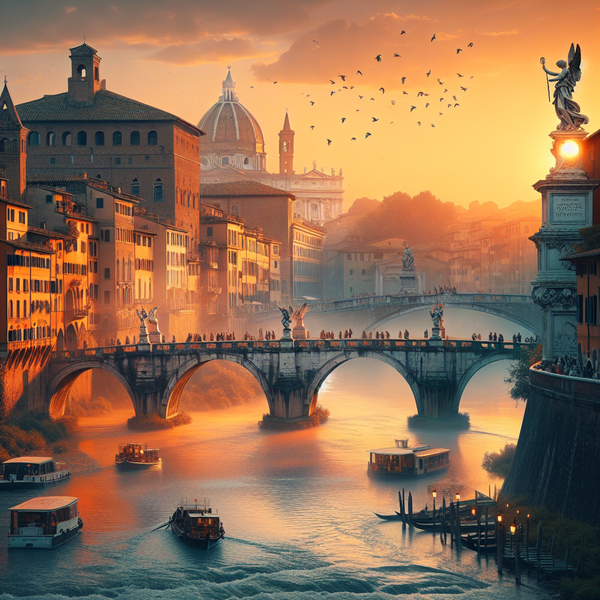
Rome and Florence—two of Italy’s most iconic cities—are connected by more than just shared history and Renaissance art. Whether you’re planning a day trip, a weekend getaway, or a deeper dive into central Italy, the journey between Rome and Florence presents an opportunity to witness the country’s scenic beauty and cultural richness. The big question remains: how should you travel between these two cities? With several options at your disposal, from high-speed trains and buses to rental cars and organized tours, your choice can shape the entire travel experience. To help you decide, we’ve compared the best transport options and included practical tips for what to see, what to do, local cuisine worth trying, sample itineraries, and reliable budget suggestions.
What to see
Traveling from Rome to Florence unlocks access to a corridor of stunning landmarks and lesser-known gems. Depending on your mode of transport, you can make extra stops and enrich your journey.
Interested in the best places to visit in Italy? Find out more by visiting Scorci di Mondo.
By high-speed train
Taking the high-speed train allows you to focus on points of interest once you arrive in Florence. You’ll save time and arrive in the city center, near the iconic Duomo and Uffizi Gallery.
- Piazza del Duomo: Home to Florence Cathedral and Giotto’s Campanile.
- Galleria degli Uffizi: A must-see for lovers of Botticelli, Michelangelo, and da Vinci.
- Ponte Vecchio: A picturesque bridge lined with goldsmith shops.
By car
If you opt for a rental car, you can stop along the way and visit charming towns like Orvieto or Civita di Bagnoregio.
- Orvieto: Known for its stunning cathedral and underground tunnels.
- Chiusi: Offers Etruscan ruins and picturesque hilltop views.
- Montepulciano: A lovely Tuscan town famous for red wine and Renaissance buildings.
By bus
Though slower, buses sometimes stop at regional hubs, giving you glimpses of rural Italy.
- Terni: Fit in a short walk and try the local pastries if your bus stops here.
What to do
Your activities in Florence will vary based on your arrival time and energy levels after the journey. Trains typically provide the most comfort, allowing you to start exploring right away, while bus or car travelers may appreciate a slower start.
Walk and explore
Florence is compact and best explored on foot. After arriving:
- Stroll through the Oltrarno district for artisan workshops.
- Climb to Piazzale Michelangelo for panoramic views at sunset.
- Roam the Boboli Gardens for peaceful green spaces and sculptures.

Cultural activities
Whether you arrive by day or night, Florence offers year-round exhibitions, concerts, and local festivals.
- Catch an opera or classical performance at Teatro della Pergola.
- Explore rotating exhibitions at Palazzo Strozzi.
Shopping
For those arriving via rental car or train, it’s easier to carry extra luggage—ideal for shopping.
- San Lorenzo Market: Great for leather goods.
- Borgo degli Albizi: Known for boutique fashion shops.
Itineraries
Your mode of transportation affects the pace and flexibility of your itinerary between Rome and Florence. Here are a few sample itineraries for various travel styles.
Fast travel (by train)
- Morning: Depart Rome Termini at 8:00 AM; arrive in Florence by 9:30 AM.
- Mid-morning: Breakfast near Santa Maria Novella Station.
- Lunch: Dine at Mercato Centrale for authentic Tuscan fare.
- Afternoon: Visit Uffizi and Accademia Gallery.
- Evening: Return to Rome or stay overnight in Florence.
Scenic route (by car)
- Morning: Depart Rome around 8:00 AM; stop in Orvieto by 10:00 AM.
- Midday: Explore the town, enjoy local cuisine.
- Afternoon: Drive to Florence, arrive by 3:00 PM.
- Evening: Relax with a stroll through the Renaissance center.
Budget travel (by bus)
- Early morning: Catch a Flixbus or Itabus departing Rome Tiburtina.
- Midday: Arrive in Florence SITA Station, a short walk to the city center.
- Afternoon: Free walking tour of Florence’s historic core.
- Evening: Affordable dinner at a local trattoria.
Local cuisine
No route between two Italian cities is complete without indulging in the regional food. Depending on when and how you travel, your dining options might vary.
Snacking on the road
Trains offer snack carriages and allow you to bring food onboard. Road trippers can stop at “Autogrill” service stations, where surprisingly tasty options await.
- Porchetta sandwiches
- Espresso and cornetto for breakfast
- Fresh panini with prosciutto
Culinary stops in Florence
Once there, Tuscan cuisine will win you over. Must-try dishes include:
- Bistecca alla Fiorentina: Chargrilled T-bone steak for meat lovers.
- Ribollita: A hearty bread and vegetable soup.
- Gelato: Look for artisanal shops near Piazza della Signoria.
Wine and drinks
If you’re not driving, try a glass of Chianti with your meal or join a quick tasting session in Enoteca Alessi.
Budget tips
Making the most of your travel budget starts with choosing the right transportation method. Here’s how to save, whether you’re heading straight to Florence or making exploratory stops along the way.
Train travel savings
High-speed trains are the fastest but not always the cheapest. Book early for the best prices.
- Use online platforms like Trenitalia or Italo for discounts up to 50%.
- Consider regional trains for a slower but more affordable option (about double the travel time).
Bus travel on a budget
Intercity buses are often the least expensive option, with tickets starting around €10.
- Flixbus and Itabus offer multiple departures daily.
- Tickets are cheaper when purchased at least a few days in advance.
Driving economically
While car rentals offer flexibility, costs can add up quickly.
- Fuel and tolls amount to around €50–60 one way, excluding rental costs.
- Choose smaller cars and avoid premium insurance plans to keep prices down.
- Share the ride to split costs if traveling with companions.
Meal planning
Eating in Florence doesn’t have to be expensive.
- Head to bakeries and sandwich shops for €5 meals.
- Restaurants often have lunch menus (menu del giorno) under €15.
- Markets like Sant’Ambrogio offer delicious local bites at low prices.
Overnight stay tips
If you decide to spend the night in Florence, budget accommodations are available just outside the historic center.
- Look for hostels or B&Bs in the Santa Croce or San Frediano districts.
- Booking platforms offer price breaks for weekday stays.
Final thoughts
Choosing the best way to travel from Rome to Florence depends on your time, budget, and interest in sightseeing along the way. High-speed trains offer speed and comfort, ideal for efficient travel days. Buses are wallet-friendly but slower, best suited for those who prioritize saving money. Rental cars, while costlier, provide unmatched freedom to explore charming towns off the beaten path. Whichever method you choose, the journey between these two cultural treasures is sure to be memorable. Use practical tips, enjoy delicious local cuisine, and explore great itineraries to make the most of your Roman departure and Florentine arrival.