There’s a unique kind of silence found only above 2,000 meters in the Italian Alps — the quiet between peaks, punctuated by cowbells and the crunch of boots on stone. Staying in a mountain refuge here isn’t just about finding lodging; it’s about stepping into an alpine rhythm shaped by weather, tradition, and the art of simplicity. Whether you reach them on foot, by cable car, or on skis, Italy’s refuges reward effort with panoramic terraces, homemade polenta, and the feeling that you’ve truly earned your bed.
Go to the section
ToggleRefuges in the Dolomites: High Peaks and Haute Hospitality
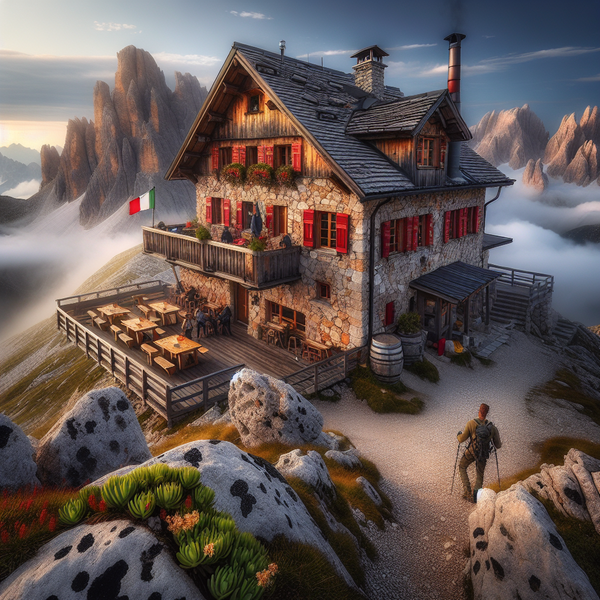
Among the countless refuges scattered across the Dolomites, a few stand out for both comfort and soul. Rifugio Lagazuoi, perched at 2,752 meters above Passo Falzarego, might have the most stunning sauna view in Europe — a glass-walled cabin looking straight toward the Tofane peaks. You can reach it either by hiking from Falzarego Pass (about two hours) or by a short cable car ride. Many travelers time their stay to see the alpenglow burn on the peaks around sunset before settling into a dinner of speck dumplings or venison stew.
For something more secluded, Rifugio Locatelli near Tre Cime di Lavaredo is an iconic spot. The sunrise over the jagged limestone towers is worth the early alarm. You can hike there from Rifugio Auronzo in around 1.5 hours, and even those without alpine experience can manage the well-marked route if weather conditions are good. Expect shared dorms, hearty soups, and a camera roll full of scenery that feels otherworldly.
Refuges in Valle d’Aosta: Where Culture Meets the High Alps
The Valle d’Aosta region, squeezed between France and Switzerland, mixes languages and mountain traditions with effortless charm. Here, refuges double as cultural points — many are tiny, family-run, and still speak French patois in the kitchen. Rifugio Vittorio Sella, lying beneath the Gran Paradiso National Park, sits at 2,588 meters and is reached by a well-paved 2.5-hour trail from the village of Cogne. Wildlife viewing is nearly guaranteed: ibex graze near the refuge’s doorstep in late afternoon when most hikers are sipping genepì.
If you’re hiking the Tour du Mont Blanc, spend a night at Rifugio Bonatti, high above the Ferret Valley. It offers stunning views of Aiguille Noire de Peuterey, fine espresso, and meticulous hospitality. The dining room’s long tables foster conversation among alpinists from all over Europe — a reminder that refuge life is as much about community as landscape.
Refuges in Lombardy and the Bernina Alps: Lakeside Serenity and Swiss Views
The Lombard Alps are often overshadowed by the Dolomites, but their refuges strike a beautiful balance between accessibility and wildness. Rifugio Cristina in Valmalenco can be reached in about 1.5 hours from Lanzada and offers postcard views of Pizzo Scalino. The refuge is named after a local woman who hosted early British climbers — a nod to the region’s mountaineering heritage. Today, you can expect homemade pizzoccheri and a glass of local Valtellina wine at 2,280 meters.
Nearby, the Rifugio Marinelli Bombardieri sits higher at 2,813 meters, often used by those tackling Pizzo Bernina (4,049 m), the easternmost 4,000-meter peak in the Alps. Staying here means catching alpine glow both at dawn and sunset, though weather can shift quickly — layers and a good sense of timing are essential.
Hidden Refuges in Piedmont: Wild Horizons Under Monte Rosa
In Piedmont’s Upper Valsesia, you’ll find refuges that feel like secrets. Rifugio Pastore, at 1,575 meters, sits just beneath the imposing south face of Monte Rosa. The approach from Alagna Valsesia follows a wooded trail beside roaring streams and takes roughly an hour and a half. The lodge’s wooden balconies overflow with geraniums, and on clear nights you can see the summit glaciers glowing under moonlight.
Further up, seasoned hikers continue to Rifugio Gnifetti (3,647 m), one of Italy’s classic base camps for alpine ascents. It’s usually reached with glacier equipment from Punta Indren cableway. Here, hikers dine at long communal tables, often beside professional mountaineers preparing for higher peaks — an atmosphere that hums with anticipation and respect. Even if you go no further, waking to wind over the Lys Glacier is unforgettable.
Trentino and South Tyrol Refuges: Alpine Comfort with Tyrolean Flavor
Trentino–Alto Adige combines Italy’s culinary generosity with Austrian order, and its refuges mirror that mix. Rifugio Alpe di Tires (Tierser Alpl) sits on a saddle between the Sciliar and Catinaccio groups. The approach from Campitello di Fassa via Passo Duron takes around three hours, through meadows where marmots whistle at passing hikers. The refuge’s dining hall serves knödel (bread dumplings) and apple strudel fragrant with cinnamon — all made on site using local butter.
For something slightly less strenuous but equally scenic, try Rifugio Fanes in the Fanes-Sennes-Braies Nature Park. You can reach it in about two hours by forest road from the village of San Vigilio di Marebbe, and many visitors come by mountain bike. Its location among green plateaus and turquoise lakes makes it popular with families. Hot showers, rich barley soups, and sunrise yoga sessions on the terrace create a comfortable yet remote experience.
Essential Tips for Staying in Alpine Refuges
Booking a mountain refuge in Italy varies by region, but most allow online reservations via their managing Alpine Club association. Expect to pay around €30–60 per night for half board (dinner and breakfast included). Bring a sleeping bag liner, as blankets are provided but personal sheets are required for hygiene. Electricity can be limited — charge devices in the dining room before quiet hours.
Water is often sourced from melting snow, so use it sparingly; showers are short and sometimes timed. Meals are communal, served at set times, often around 6:30–7:00 p.m. Vegetarian options are generally available if requested when booking. Respect the 10:00 p.m. lights-out rule, as staff need rest before dawn departures.
To prepare for altitude, spend a night at mid-level elevation first; places like Bormio or Cortina make good bases. Always check the local bollettino meteo (weather bulletin) before departure. Even midsummer storms can bring sudden hail or temperature drops near freezing.
Why the Italian Alps’ Refuges Feel Different
What distinguishes Italian refuges from their Alpine cousins is the warmth of hosting. Meals here are events — not field rations. A bowl of polenta garnished with melted Bitto cheese in Lombardy or kaiserschmarrn in South Tyrol signals that hospitality extends to the table. Staff often live on-site all season, many descended from the same families who built these huts for shepherds and soldiers. Their gestures — an extra ladle of stew, an unprompted weather update — create the sense that in this high, harsh environment, every act of care counts.
Beyond comfort, refuges are cultural anchors. Many organize summer concerts, alpine photography workshops, or charity climbs. Their guestbooks chronicle decades of friendships, proposals, and quiet moments shared above the clouds. When you descend, you’ll carry more than snapshots — you’ll bring the cadence of mountain life back down to earth.
Planning Your Alpine Refuge Itinerary
To combine scenery with logistics, structure your trip region by region. For example, begin in Trento or Bolzano to access the Dolomites via public transport — regular SAD buses link valley towns to trailheads. Valle d’Aosta, by contrast, is best reached via Turin and a regional coach to Courmayeur or Cogne. Many refuges open from late June to mid-September, though some (like Lagazuoi) remain accessible in winter with snowshoes or skis.
If you’re short on time, choose two to three base valleys rather than trying to cross the entire Alps. A rewarding plan might include a few nights hiking between Fanes and Sennes in South Tyrol, then moving west to Gran Paradiso for wildlife viewing. Pack light — 30 liters per person is usually enough — and bring cash for refuge payments, as electronic connections are unreliable at altitude.
Final Thoughts: Sleep Closer to the Sky
Italy’s alpine refuges invite travelers to experience the country above its vineyards and cities. They teach slowness, endurance, and appreciation for small luxuries: a hearty soup after rain, a wood stove that dries your socks, a sunrise that makes silence feel sacred. The most beautiful mountain refuges in the Italian Alps aren’t about extravagance but perspective — where the world seems sharper, the air cleaner, and human company a little gentler.
When you leave, you may realize that the best souvenirs are not the peaks you conquer but the warm meals shared with strangers who, for one night, became fellow guardians of the mountain’s quiet light.