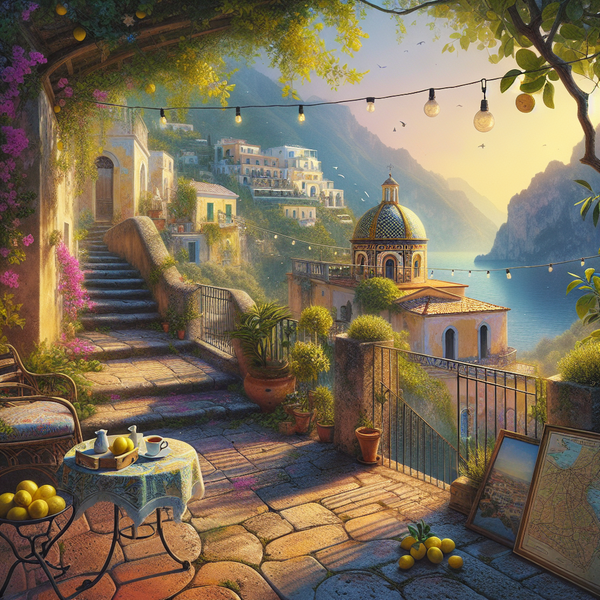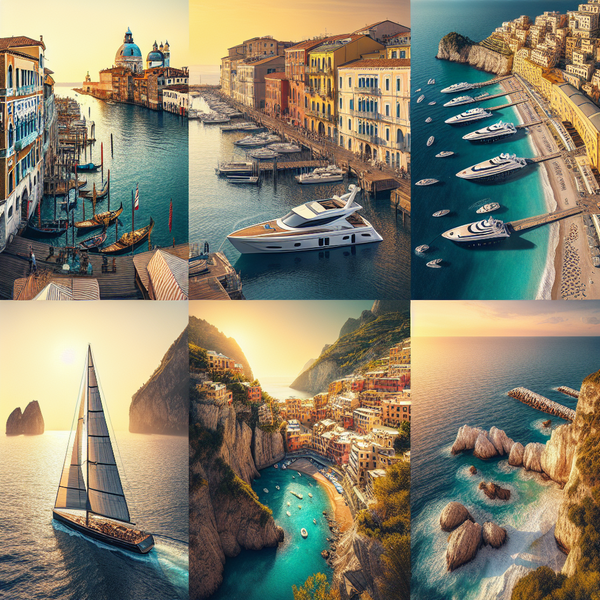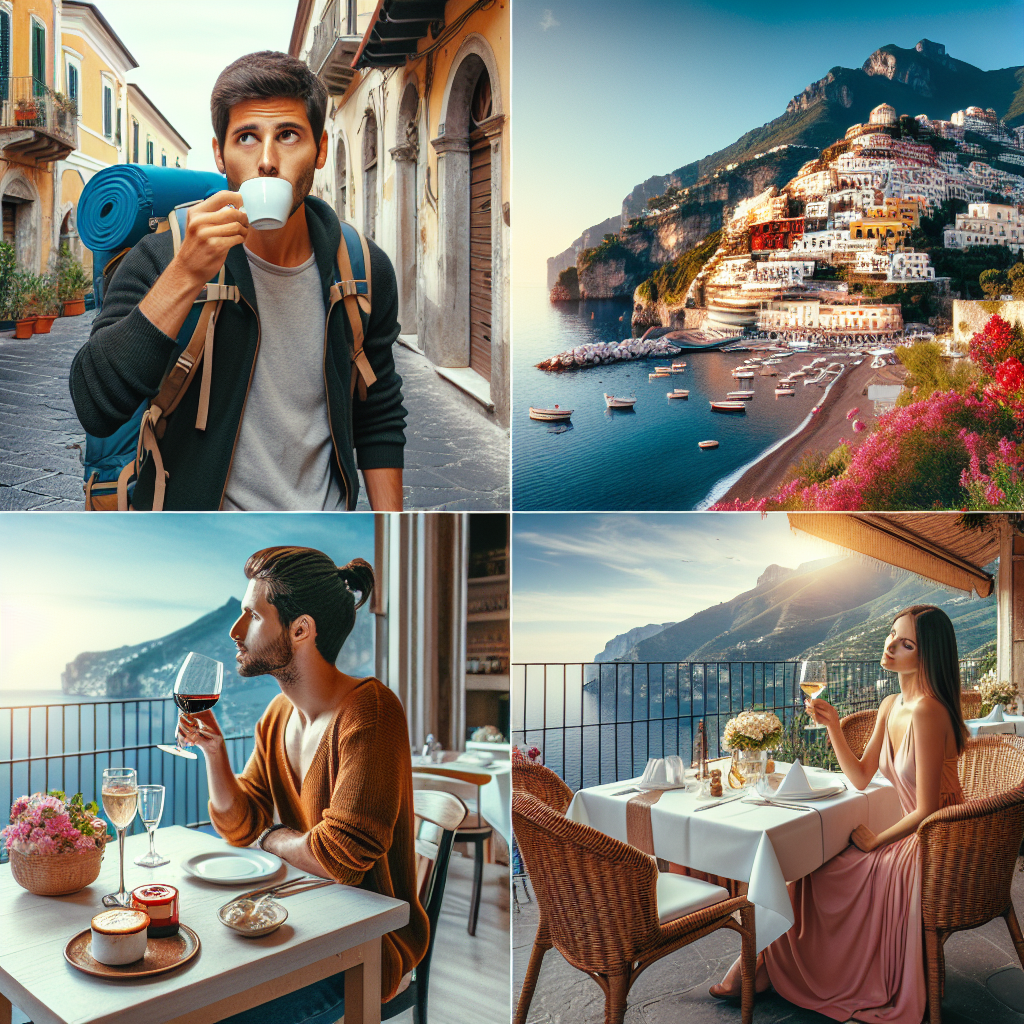
A dream trip to Italy conjures images of sipping espresso in Rome, sailing along the Amalfi Coast, and wandering through Tuscan vineyards. But before jumping into this Mediterranean escape, many travelers ask the practical question: how much does it actually cost? Planning a trip to Italy can be surprisingly flexible, catering to both budget backpackers and luxury lovers. By understanding the cost breakdown across key areas – from sights and activities to food and transportation – you’ll be better equipped to design a trip that suits your style and budget.
Go to the section
ToggleWhat to see
Italy offers an overwhelming number of must-see destinations, and your choices can directly influence your total costs.
Major cities
- Rome: The Eternal City is rich in ancient history, with essential stops like the Colosseum, Vatican Museums, and Trevi Fountain. While many monuments are free to visit, entry fees for popular attractions average between €12 and €20.
- Florence: Renowned for Renaissance art and architecture. Save on admission by purchasing the Firenze Card for around €85, which allows access to a wide range of museums over 72 hours.
- Venice: Although iconic, Venice can be more expensive. Water taxis and entry fees to landmarks like St. Mark’s Basilica and Doge’s Palace (roughly €20 together) should be factored in.
- Milan: Perfect for fashion lovers and culture seekers. Entry to The Last Supper alone can cost €15–€20 and requires advance booking.
Scenic regions
- Tuscany: Offers beautiful vineyards and towns like Siena and Lucca. Renting a car to explore hilltop towns can add about €40–€60/day, not including fuel.
- Amalfi Coast: Breathtaking but pricey; public transportation or scooters can keep local travel affordable. Boat tours run upwards of €50–€100 depending on duration and type.
- Dolomites: Ideal for nature lovers and those into skiing or hiking. Accommodation and food are slightly more affordable here compared to big cities.
What to do
Italy caters to every interest, from art and history to beach lounging and active pursuits. Here’s how your activities might impact your expenses.
Cultural experiences
- Museums: Expect to spend around €10–€25 for individual entries. Many cities offer combination tickets or museum passes that save money if you visit multiple sites.
- Historical sites: Some of the top attractions like the Colosseum or Pompeii charge about €16–€20. Look for free entry days offered monthly or discounts for EU citizens under 26.
- Walking tours: Free walking tours run on a tip-basis and are an excellent budget-friendly way to learn about local history and culture.
Nature and leisure
- Hiking: Exploring paths like the Cinque Terre trails is often free or minimally priced (€7–€10/day in some parks).
- Beach days: Many beaches are free, but private beach clubs can charge €20–€40 per person for loungers and umbrellas.
- Wine tasting: In Tuscany or Piedmont, expect group tours from €25–€50, depending on the winery and if lunch is included.
Day trips
Organized day trips can help you see more while staying in one base city. Examples include:
- Vatican and Sistine Chapel Tour – Starting from €40
- Pisa from Florence – Around €30–€50 for a guided excursion
- Pompeii and Vesuvius from Naples – Around €60–€90 including transport and entry
Itineraries
Your travel route greatly influences your trip’s cost. Here are some ideas based on trip length and travel style.
Budget 7-day itinerary
- Rome (3 days): Stay in a budget hostel (€30–€50/night). Visit Vatican (book in advance for €17), join free walking tours, and dine at casual trattorias.
- Florence (2 days): Use regional trains (about €20). Explore Duomo (many areas are free) and visit Uffizi Gallery (€12).
- Pisa day trip: Short train ride from Florence (~€8), free to walk around the Leaning Tower complex.
- Venice (2 days): Stay in Mestre for lower accommodation prices (~€50), use vaporetti (ferry) with a 24-hour pass for €21.
Approximate total per person: €800–€1,000 (including accommodation, food, transportation, and main activities)
Mid-range 10-day itinerary
- Rome → Florence → Cinque Terre → Venice
- Three-star hotels or B&Bs: €80–€130/night
- Main train routes (high-speed): €20–€60 per leg
- Meals at mid-range restaurants: €20–€40 per day
Approximate total per person: €1,400–€1,800
Luxury 14-day itinerary
- Milan → Lake Como → Florence → Tuscany → Amalfi → Rome
- Luxury hotels and villas: €200–€500/night
- Private transfers or rental car with services: €150+/day
- Exclusive experiences (private guides, gourmet dining): €100+/day
Approximate total per person: €4,000–€6,000
Local cuisine
Italian food is not just delicious—it’s surprisingly affordable, especially if you eat like the locals.
Eating out
- Pizzerias: A fresh pizza and soft drink often cost under €10–€12.
- Pastas & trattorias: Expect to pay €8–€15 for a main course. A three-course meal with wine may cost €25–€35.
- Osterias & enotecas: These wine-focused eateries offer great deals on local dishes and pairings.
Shopping for food
- Supermarkets: Great for picnics or snacks. A sandwich, fruit, and drink cost €5–€8.
- Street food: Arancini, panini, and gelato can be found for €2–€5.
Avoiding tourist traps
- Check for hidden “coperto” charges (cover charge), usually €2–€3 per person.
- Restaurants near major landmarks tend to be more expensive. Venture a few streets over for better value.
Budget tips
There are plenty of clever ways to stretch your euros further without compromising the experience.
Saving on accommodation
- Book early for better rates, especially in peak seasons
- Consider sleeping in agriturismi (countryside farm stays) – charming and often cheaper than hotels
- Stay outside city centers and use mass transit for better prices
Transportation hacks
- Use regional trains for savings – slower but much cheaper (e.g., Rome to Florence for €10–€15)
- Buy transit passes in larger cities for unlimited travel – e.g., Rome’s 72-hour pass is €18
- Book intercity trains at least a week in advance to get super economy fares
Free and low-cost attractions
- Many museums have free entry on the first Sunday of every month
- Churches often house incredible art—you can admire Michelangelo’s work in churches like San Pietro in Vincoli without paying
- Public spaces, markets, and piazzas offer endless entertainment at zero cost
Miscellaneous savings
- Refill your water bottle at public fountains (potable in most cities)
- Use apps for discount tour bookings and local food deals
- Travel during shoulder seasons (April–June, September–October) for better deals and thinner crowds
Final thoughts
So, how much does a trip to Italy actually cost? The answer greatly depends on your travel style, time of year, and itinerary—but on average, a well-planned Italian vacation can range from €800 for budget travelers to €6,000 for those seeking luxury. With its blend of historical wonders, unforgettable cuisine, and stunning landscapes, Italy offers countless ways to experience la dolce vita without breaking the bank. With smart planning and a little flexibility, your Italian dream trip can become an affordable reality.