Spring in Italy brings an irresistible shift — from the snow-capped Apennines to the sun‑sweetened coasts, the landscape becomes a living canvas of color. As a resident traveler, I measure spring not by dates but by moments: the first hint of mimosa along the Ligurian shore, the tulips redefining Venetian gardens, or the poppies reclaiming Umbrian fields. Italy’s floral season isn’t confined to one region; it moves north to south between March and late May, rewarding those who follow it like a migration trail.
Go to the section
ToggleBlooming Tulip Fields Near Bologna and Turin
Piedmont and Emilia‑Romagna have quietly become Italy’s best destinations for viewing tulips without needing to fly to the Netherlands. Around mid‑April, the Parco Giardino Sigurtà near Verona displays more than one million bulbs, most meticulously arranged by color bands across its 60‑hectare grounds. The park’s map marks “Tulipanomania,” a limited‑period event when gardeners adjust the walking direction daily to align with sunlight.
In northern Piedmont, head to the Castello di Pralormo, about 30 kilometers from Turin. Its long‑running “Messer Tulipano” festival covers roughly 90 varieties, including the dark purple ‘Queen of Night.’ Arrive early in the morning to avoid tour groups; the castle café opens at 9:30 a.m., and there’s free parking on Via Umberto I.
Peony Valleys and Iris Gardens Around Florence
Florence is known for art, but its floral artistry peaks between late April and early May on the hillside near Piazzale Michelangelo. The Giardino dell’Iris opens only during flowering season — usually from April 25 for about three weeks — with over 1,500 iris types cataloged by color and origin. Entry is free, and the view over Brunelleschi’s Dome rivals any city panorama.
An hour east in the Casentino Valley, small peony farms near Poppi and Stia open their gates to visitors. Several family‑run growers sell fresh blooms directly at the local Saturday markets. The mixed fragrance drifting across the valley is strongest around sunset, when cool breezes carry hints of wild thyme from nearby slopes.
Umbrian Hills Painted with Spring Wildflowers
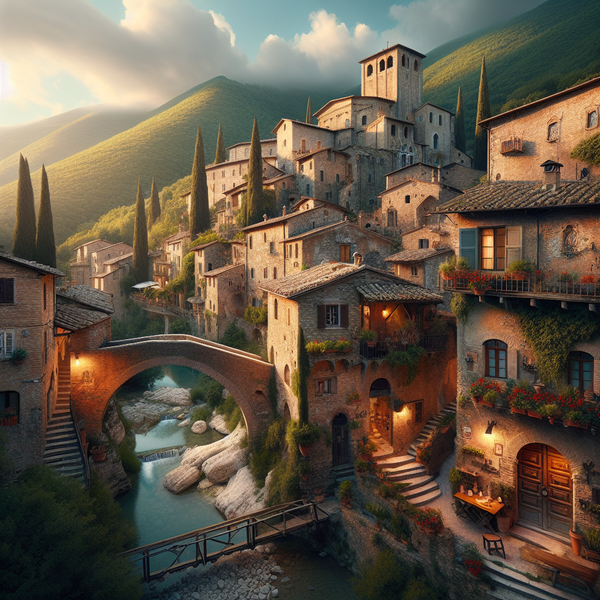
Every May, the road from Spoleto to Castelluccio di Norcia transforms into a high‑plateau palette of poppies, cornflowers, and daisies. Locals refer to this annual display as “La Fiorita,” literally “the blossoming.” It takes place between late May and early July, depending on altitude and snowmelt. To see the widest coverage, time your visit between 8 and 10 a.m., when light angles are soft and tourists are still eating breakfast.
Stay in Norcia or Preci for shorter access to the Pian Grande plain. Most photographers bring light hiking boots — the grass often hides damp soil — and drone flying is regulated by the Sibillini National Park office, so check the park’s website before visiting. Food tip: the town’s butchers sell truffle‑infused salumi that pair well with picnics beside the flowered fields.
Find all the best hotel deals → Book here
Wisteria, Camellias, and Magnolias on Lake Como and Lake Maggiore
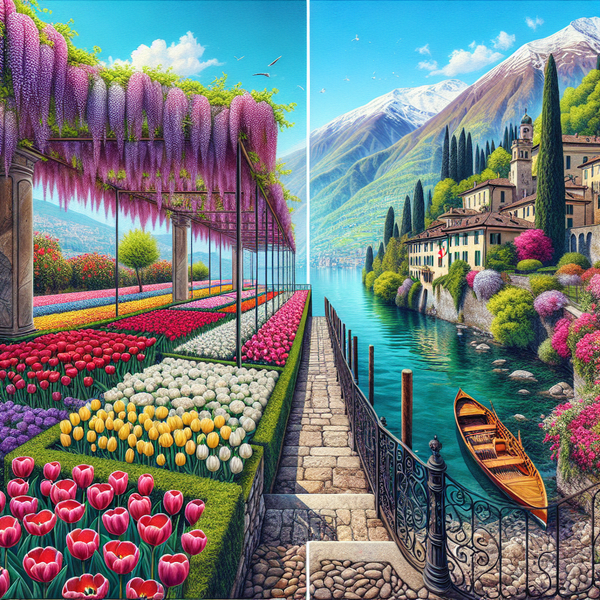
By mid‑April, the lake region of northern Italy reaches floral perfection. The Villa Carlotta gardens in Tremezzo on Lake Como are renowned for azaleas, rhododendrons, and cascades of wisteria draping 19th‑century balustrades. A single ticket covers both villa and gardens, and the ferry from Bellagio docks 200 meters away.
On Lake Maggiore, the Isola Madre showcases a subtropical mix: ancient camellias, giant magnolias, and even Himalayan rhododendrons. The microclimate here allows blooms to persist longer — sometimes through early June. Ferries run hourly from Stresa, and if you board before 10 a.m., you can often find an uncrowded deck side for photography. Remember that late afternoon light strikes the western garden terraces beautifully, perfect for golden‑hour color.
Discover the best local experiences → Join guided walks and garden tours across Italy
Poppies, Irises, and Almond Blossoms in the Sicilian Countryside
Sicily’s spring flowers thrive from March through early May, weeks earlier than in northern Italy. The Valley of the Temples in Agrigento bursts into color as almond trees bloom, their soft pink petals contrasting with the golden Doric columns. Local cafés even serve “latte di mandorla” (almond milk) made from the same trees — refreshingly cool for mid‑day explorations.
In southeastern Sicily, between Noto and Avola, wild poppies line the road margins and wheat fields. Locals know the stretch of SP59 as particularly photogenic around mid‑April. Stop at one of the agriturismi near Avola Antica for house‑made honey infused with citrus‑blossom nectar, a best‑kept local secret available only in spring.
Trentino’s Alpine Meadows and Botanical Gardens
Higher altitudes delay the season but double its charm. Near Trento, the Giardino Botanico Alpino Viote in Monte Bondone sits at about 1,500 meters and opens in late May when gentians, soldanellas, and alpine roses emerge. Staff botanists lead short (45‑minute) guided tours focusing on local flora’s adaptation to snowmelt cycles.
Further north in the Val di Fassa, cable cars from Pozza di Fassa take hikers up to meadows where crocuses pierce patches of snow by early June. These flowers are considered among the last chapter of Italy’s spring bloom journey. To see them at their peak, check regional bulletins that publish “fioritura” forecasts weekly, often available at tourist offices.
Less‑Known Coastal Blooms in Liguria and the Amalfi Coast
Liguria offers an unusual combination: sea breezes and mountain slopes packed with aromatic herbs. The Hanbury Gardens near Ventimiglia, created by an English botanist in the 1800s, now display over 2,000 Mediterranean species. Visit from late March through May when the bougainvillea begins climbing the pergolas. Tickets allow re‑entry on the same day, perfect if you want a midday swim followed by an evening loop under the pergola tunnels.
Farther south, the Amalfi Coast in spring connects scent and sight through lemon blossoms — particularly around Minori and Maiori where terraced groves meet wild valerian and rock daisies. The “Sentiero dei Limoni,” a short hiking trail linking the two towns, offers multiple view‑points framed by both flowers and sea. Always bring light gloves: some sections involve narrow stairways still used by farmers carrying baskets of lemons.
Planning Your Spring Flower Route Across Italy
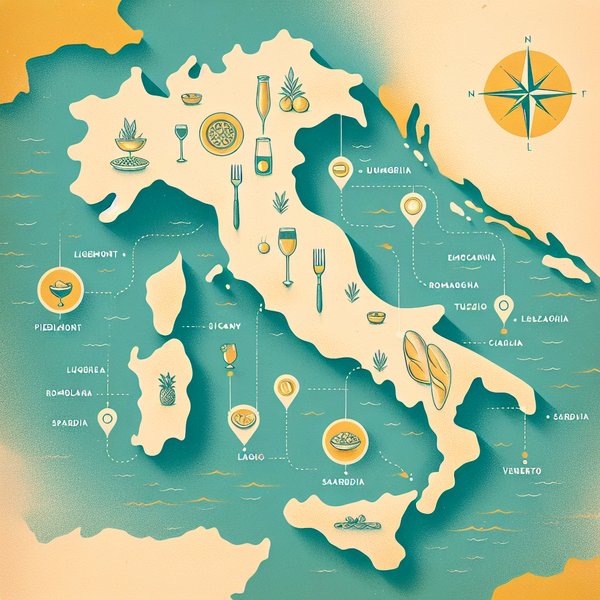
Italy’s regional trains and rental‑car network make it surprisingly simple to follow the bloom progression from south to north. A good route starts in Sicily by mid‑March, continues through Tuscany and Umbria by late April, and finishes at Alpine elevations in early June. Rail travelers can combine scenic stretches like Florence to Spoleto or Verona to Desenzano for Lake Garda’s countryside flowers.
When planning, note that many gardens open seasonally — always confirm opening weeks online. Carry a light jacket even in southern Italy; high‑plateau mornings can drop below 10°C. For serious photographers, a polarizing filter helps manage sunlight during midday, especially on reflective petals like tulips or irises. And don’t forget Italy’s simplest flower ritual: every early May, nearly every town square hosts local markets selling potted geraniums or lavender — perfect souvenirs with natural perfume that lasts beyond your trip.
From the alpine gentians of Trentino to the almond blossoms of Agrigento, spring flowers in Italy knit together the country’s varied climates and histories. Following the bloom route is more than sightseeing — it’s tracing Italy’s natural clock as it ticks northward, petal by petal.