There’s a rare kind of travel moment in Italy when the air smells faintly of rosemary and wood smoke, and breakfast is served with eggs you saw collected that morning. Those are the moments agriturismi were born for—working farms that open their doors to travelers hungry for authenticity. Far from staged tourism, these stays are where locals still make pecorino by hand and teach guests to roll pasta with flour milled next door.
Go to the section
ToggleUnderstanding What Makes Agriturismi in Italy Truly Authentic
Bonafide agriturismi are registered working farms that supplement their income through hospitality, often under regulations defined by regional agricultural authorities. To be considered authentic, they must produce a measurable portion of what they serve—olive oil in Puglia, wine in Tuscany, or lentils in Umbria. When you arrive, look for signs like “Azienda Agricola” or “Agriturismo Biologico.” That means your hosts still cultivate the land rather than outsource every jar and bottle.
Many seasoned travelers confuse farm-style villas with agriturismi, but the difference shows at breakfast. On a real farm stay, you might find a rough wooden board of pecorino aged in caves beneath the house, jam from the family’s orchard, and coffee roasted in the nearest village. It’s the continuity—from soil to table—that gives these places their soul.
Choosing the Right Region for an Italian Farm Stay Experience
Each Italian region shapes its agriturismi differently, according to its landscape and culinary roots. In Tuscany’s Val d’Orcia, for example, estates near Pienza or Montepulciano specialize in saffron, olive oil, and grain. You can join the morning olive harvest between late October and December—just ask about seasonal activities when booking.
Head south to Basilicata and you’ll trade manicured vineyards for small organic plots. Near Matera’s hills, agriturismi often raise Podolica cattle, producing milk for caciocavallo cheese, a local treasure served grilled with wild honey. Up north in Trentino-Alto Adige, farms usually rest above 800 meters; expect alpine-style breakfasts with speck, mountain cheeses, and apple juice pressed onsite. Each region’s agriturismo culture still reflects traditional subsistence patterns, which is precisely what makes them such living museums.
Signs of Genuine Hospitality at an Italian Agriturismo
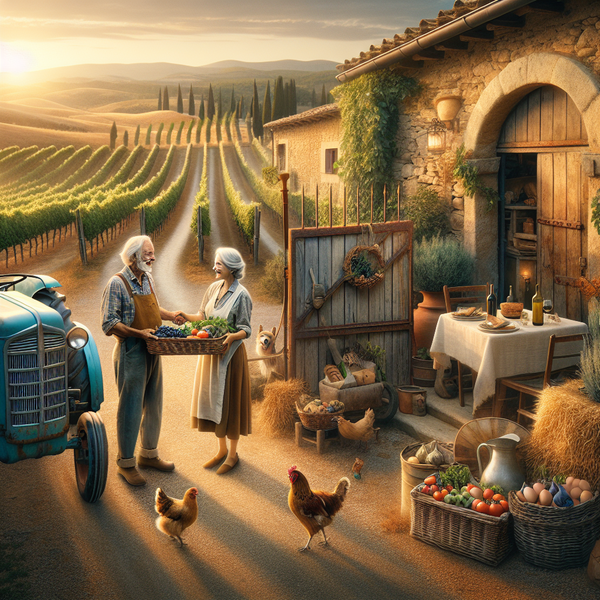
When evaluating a farm stay, don’t rely solely on glossy photos. Authentic agriturismi feel lived-in, not curated for Instagram. If you see tractors parked beside guest quarters, it’s often a good sign. Ask whether you can help feed animals or join a cooking session: true hosts are usually thrilled to share their routines.
Languages won’t be an obstacle—owners often speak a bit of English, and you’ll pick up Italian farm words as you go: “stalla” (barn), “orto” (kitchen garden), or simply “andiamo,” shouted when chores begin. During my own week in Umbria’s Montefalco hills, breakfasts were followed by a casual romp through vineyards to pick Sagrantino grapes. That rhythm—part work, part wonder—is the hallmark of authenticity.
Agriturismi in Tuscany and Umbria that Keep Farming Traditions Alive
The heartland of Italian agriturismo lies between Tuscany and Umbria, where government incentives in the late 20th century helped families stay on their land rather than abandon it. In southern Tuscany’s Maremma region, farms like those around Scansano and Magliano often produce Morellino wine alongside spelt, beans, and Etruscan-era olive groves. Meals are eaten outdoors at long communal tables, with oil pressed only a few kilometers away at the local frantoio.
Crossing into Umbria near Spello, the mood softens: hills ripple with vines, and quiet stone farmhouses host no more than five or six guests. A family I visited offered a hands-on cooking morning where guests prepared strangozzi pasta using their farm’s eggs and flour from the mill in Foligno. Evenings were candle-lit, with stories told under fig trees heavy with fruit. These places rarely advertise widely, so searching local agriturismo consortia websites or regional tourism boards will reveal the most genuine finds.
Southern Italy’s Agriturismi: Where Simplicity Meets Flavor
In southern Italy, the agriturismo concept leans even more toward self-sufficiency. Puglia’s masserie—fortified farm estates—dot the countryside between Ostuni and Lecce. Some date back to the 1500s when they served as olive and grain strongholds. Modern owners maintain both the architecture and the olive terroir, producing monocultivar oils such as Ogliarola and Coratina. Staying on one of these estates often includes a guided walk through centuries-old olive groves followed by an oil tasting led by the family’s nonna.
Calabria’s mountain agriturismi, particularly in the Aspromonte area, blend Greek and Italian influences. Meals are bold: homemade peperoncino sauce, bread baked in wood-fired ovens, and seasonal dishes like goat stew during winter. The sense of remoteness here is profound; guests might share the evening with shepherds returning from the upper meadows. That intimacy—a step slower, deeply rooted—is Southern Italy’s signature flavor.
Understanding Agriturismo Etiquette and What to Expect
An agriturismo stay is not a resort experience; it follows farm logic. Breakfast might be served whenever the family is ready rather than at fixed times. Internet connections can be patchy because most farms sit in valleys or rural hilltops, so download maps in advance. Guests are often invited to participate in small ways—bottling wine, shaping ricotta, gathering herbs—but participation is optional and should always respect the family’s pace.
If you bring children, let your hosts know early; some farms welcome young helpers, while others keep animal areas off-limits for safety. Payment methods vary, too—many still prefer cash since rural Wi-Fi can disrupt electronic transactions. The joy here lies in adapting to the rhythm of real life, far removed from the prepackaged idea of “rustic charm.”
How to Book the Best Agriturismi in Italy Like a Local
While online booking platforms now list thousands of agriturismi, the most heartfelt experiences still come through direct contact. Call or email the host in advance and ask what the farm currently produces. If they can name the crops and seasons without hesitation—“our vineyard just bottled the Nero d’Avola,” or “chickpeas are ready for harvest next week”—that’s your sign.
Many Italians plan their stays around regional food festivals. For example, timing a visit to an agriturismo near Norcia around the black truffle season means joining communal tasting events in small piazze. Likewise, booking in Sardinia during the pecorino aging period (typically spring) often includes a chance to join shepherds in sampling early cheese batches. These insider cues transform accommodation into participation.
Eco-Friendly Trends in Modern Agriturismi
Sustainability isn’t a trend here—it’s often built into the landscape itself. Many agriturismi now run on solar panels or small hydro systems that power both the farmhouse and farm operations. Composting and rainwater collection are routine, and guests are encouraged to reuse towels and limit waste. At an eco-conscious farm stay near Cortona, greywater from showers irrigates olive trees, while animal manure feeds the vegetable garden.
Organic certification (look for “ICEA” or “AIAB” labels) ensures the land undergoes strict checks. Such farms offer tastings of natural wines free from additives and produce candles or soaps from their own beeswax and herbs. Choosing these places supports low-impact tourism while keeping small-scale Italian agriculture viable.
Final Thoughts: The Lasting Appeal of Italian Farm Life
What makes agriturismi unforgettable isn’t just the food or scenery but the return to human rhythm. There’s an intimacy in waking up to a rooster’s call, speaking directly with those who shape the land, and tasting olive oil only hours after pressing. These experiences remind travelers that Italy’s enduring beauty lies not in monuments but in the honest continuity of daily work. Whether in Tuscany’s rolling fields or Calabria’s rugged peaks, each agriturismo tells the same quiet story—of roots, resilience, and a meal shared around a real family table.